A loud air purifier ruins the exact room it is supposed to improve. You buy these machines to breathe easier, but a motor whining at 60 decibels will quickly wreck your sleep. Noise matters. Most units operate between 20 and 60 decibels. You need to match the machine’s acoustic footprint to your specific room. Silence belongs in the bedroom. A louder, high-capacity unit works fine in a busy living room. You can find the right balance.
Why Air Purifier Noise Levels Matter
Manufacturers rarely advertise how loud their fans get at maximum speed. You will notice the noise immediately. An air purifier running at 60 decibels sounds like a normal conversation happening right next to your bed. This constant hum easily disrupts light sleepers. You must check the decibel rating before putting a unit in your bedroom or home office. The Levoit Core300-P stays incredibly quiet on its lowest setting. You need this. Low-decibel operation is mandatory for spaces where focus and rest are your main priorities.
How to Measure Air Purifier Noise Levels
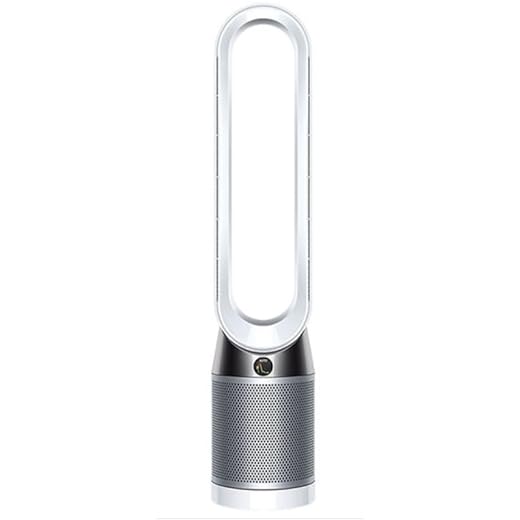
You do not need expensive acoustic equipment to check your machine. Download a free decibel meter app on your smartphone. Test the purifier across every fan speed. It will get loud. Machines always run louder on their highest settings. The Dyson TP04 Pure Cool barely makes a sound on low, but the maximum speed produces a noticeable rush of air. Test the noise level from where you actually sit or sleep. This gives you a realistic idea of what you will hear during daily operation.
TopTes TS-501B Portable Sound Level Meter

Balancing Performance and Noise
High fan speeds push more clean air but generate significantly more noise. You have to accept this mechanical tradeoff. The Blueair Blue Pure 211i Max cleans massive rooms quickly, but the top speed roars. You rarely need to run any purifier at maximum capacity all day. Look for models with a reliable auto mode. This saves your sanity. The machine will drop to a silent low speed when your air is clean. It only ramps up the loud fan when it detects dust or smoke.
Tips for Reducing Air Purifier Noise
Hardwood floors amplify motor vibrations. Move it. Place your air purifier on a thick rug to instantly absorb the excess sound. Pull the unit at least two feet away from bare walls. Sound waves bounce off flat drywall and make the fan seem twice as loud. Use the built-in scheduling features on models like the Dyson TP04 Pure Cool. Program the machine to blast the air on high while you are at work. Set it to drop to a whisper before you get home.
Grey Anti Vibration Pads for Washing Machines

🎯 Key Takeaways
Always check the decibel range before buying an air purifier. You want a machine that operates near 20 decibels for bedrooms and quiet spaces. Test your unit. Use a smartphone app to understand its true volume across all fan speeds. Keep the machine away from bare walls and place it on a rug to absorb excess motor vibration. Rely on auto modes. This keeps the fan speed low when your indoor air is already clean.
Recommended Products
Based on my experience with this topic, here are products that can help:


Final Thoughts
High fan speeds clean air faster but ruin quiet rooms. Buy the Levoit Core300-P for silent bedroom operation, or use the Blueair 211i Max on auto mode for larger spaces. Check your room size and order accordingly.


