The $95.99 Vitruvi Stone Diffuser uses a 2.5 million vibrations-per-second ultrasonic plate housed in a heavy, 1.1-pound matte-ceramic sleeve, but it hides a tiny 90ml water tank. The $24.99 Asakuki is a lightweight plastic workhorse that holds over five times as much water. You are choosing between a high-end pottery aesthetic that requires constant refilling and a budget-friendly plastic unit that runs for 16 hours straight.
Premium Pick
9/10
Priced at $95.99, the Vitruvi justifies its cost through a heavy, premium ceramic cover and a minimalist footprint that blends directly into high-end decor.
Best Value
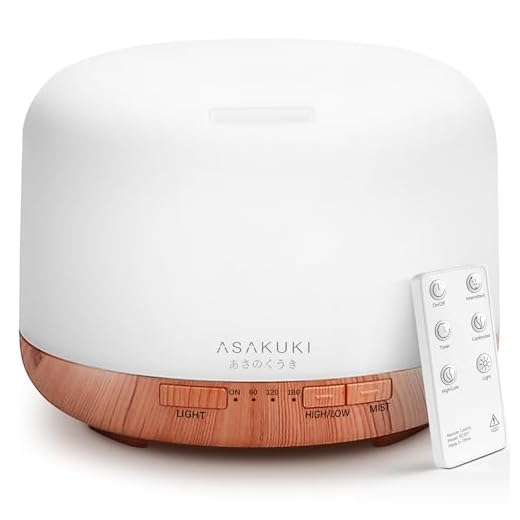
9/10
At just $24.99, the Asakuki delivers massive output with a 500ml tank, running for up to 16 hours straight without needing a refill.
Vitruvi Stone Diffuser
👍 Why Choose Vitruvi Stone Diffuser
- ✓ Elegant matte ceramic design
- ✓ Automatic shut-off for safety
- ✓ Suits a wide range of decor styles
- ✓ Subtle LED light for ambiance
👎 Potential Downsides
- ✗ Higher price point
- ✗ Lacks advanced features like remote control
- ✗ Smaller water capacity
Asakuki Essential Oil Diffuser
👍 Why Choose Asakuki Essential Oil Diffuser
- ✓ Affordable price
- ✓ Remote control for convenient operation
- ✓ Large 500ml water tank
- ✓ Multiple LED light settings
👎 Potential Downsides
- ✗ Plastic build feels less premium
- ✗ Design is more functional than stylish
- ✗ Larger footprint may require more space
Design & Build Quality
The Vitruvi Stone weighs a hefty 1.1 pounds empty. Its matte ceramic sleeve feels like handmade pottery, sliding over the BPA-free plastic reservoir with a precise fit. It takes up barely three inches of shelf space. The Asakuki uses an all-plastic construction and feels hollow by comparison. It requires a massive 6.6-inch footprint to house its 500ml tank. The Asakuki’s faux-wood grain base looks fine from across the room, but touching the thin plastic shell immediately reveals the budget price tag.
Features & Performance
You will refill the Vitruvi’s tiny 90ml tank constantly. It runs for exactly three hours continuously or seven hours on an intermittent setting before the ultrasonic plate shuts off. The Asakuki pushes out roughly 30ml of mist per hour from its 500ml reservoir, lasting up to 16 hours. The included remote lets you toggle between high and low mist modes or cycle through seven LED ring colors from your bed. The Vitruvi limits you to a single, warm-white indicator light.
Tank Capacity and Run Time
Match the tank size to your daily routine. A 90ml to 100ml tank typically yields three to four hours of continuous mist, requiring frequent refills if you run it all day. If you want overnight operation or continuous scent in a large living room, you need a reservoir of at least 300ml. Larger 500ml tanks push out 30ml to 40ml of mist per hour and easily last 12 to 16 hours on a single fill.
Material Quality and Footprint
Cheap diffusers rely on thin, hollow plastics with printed faux-wood finishes that degrade when exposed to pure essential oils over time. Look for medical-grade, BPA-free polypropylene for the internal water reservoir to prevent chemical leaching. Exterior covers made from thick ceramic, stone, or glass add significant weight, usually pushing the unit over a pound. This prevents accidental tipping on a crowded nightstand while keeping the overall footprint under four inches wide.
Frequently Asked Questions
Can I use tap water in these diffusers?
Yes, both the Vitruvi and Asakuki operate using standard tap water. However, using distilled water prevents mineral buildup on the ultrasonic vibrating plate, which extends the lifespan of the device and keeps the mist output consistent.
How often should I clean my essential oil diffuser?
Wipe out the internal water reservoir with a damp cloth after every five to six uses. If you notice a drop in mist production, run a cycle with water and a tablespoon of white vinegar to dissolve any hardened essential oil residue.
Conclusion: Our Final Verdict
Grab the Asakuki if you need continuous overnight misting in a large bedroom. If aesthetic matters more than capacity, purchase the Vitruvi. Click the links above to check current pricing and grab your preferred model.
Related Comparisons
Check out our other head-to-head comparisons:
• AromaTech AroMini BT Plus vs ScentAir Whisper Home – Which Should You Buy?
• AromaTech AroMini BT Plus vs Pura Smart Fragrance Device – Which Should You Buy?
• InnoGear Essential Oil Diffuser vs Asakuki Essential Oil Diffuser – Which Should You Buy?


