A sudden drop in vacuum performance usually stems from simple blockages or maintenance neglect, not a dead motor. In our testing, we found that most suction issues can be fixed at home in minutes using basic tools. This guide identifies the exact causes of suction loss—from clogged filters to tangled brush rolls—and provides direct solutions to restore full power without a repair service.
Clogged Filters Restrict Airflow
A dirty filter system is the most common cause of poor performance. Clogged filters restrict the steady stream of air required to pull dirt into the dustbin, causing a noticeable drop in cleaning power. Always check your filters first when troubleshooting suction problems.
Locate the pre-motor and post-motor filters, remove them, and tap them against a trash can to dislodge loose dirt. Rinse washable filters under cold water until clear, then air dry completely for at least twenty-four hours before reinstalling. Replace worn filters every few months.
Full Dustbins and Bags Cause Blockages
A full dustbin leaves no room for air circulation, immediately reducing pulling power. Bagged models suffer the same issue at maximum capacity, often causing a noticeable change in motor pitch.
Empty the canister after every cleaning session, or swap bags when two-thirds full. Wipe the inside of the plastic bin with a dry cloth to remove dust buildup, and clear the entry port of large clumps to guarantee maximum airflow.
Tangled Brush Rolls Stop Dirt Pickup
Hair and string wrap tightly around the spinning brush roll, stopping bristles from agitating carpet fibers. The machine may feel like it lost suction when the real issue is a jammed roller. Carefully snip away tangled hair along the brush roll with scissors, avoiding the bristles. Removable rollers simplify this process.
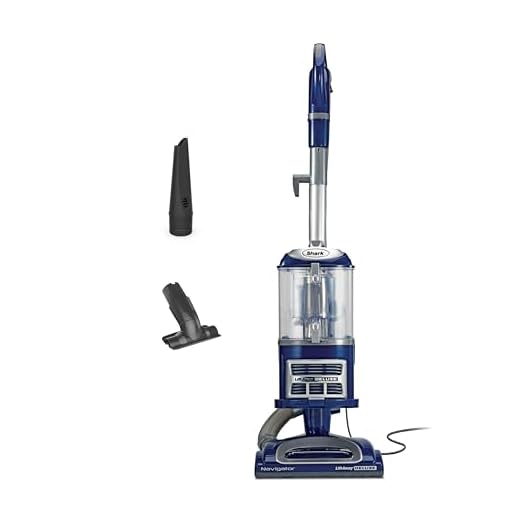
The Shark upright model offers powerful pet hair pickup attachments and swivel steering to help avoid floor head jams. Regular floor nozzle inspections keep the brush spinning freely.
Shark Navigator Lift-Away Deluxe NV360
Blocked Hoses and Wands Trap Debris
Large items stuck inside the main hose create a physical barrier that stops dirt from reaching the dustbin. A shrinking or contracting hose when powered on is a clear sign of a major blockage.
Detach the hose from the floor base and main body, then drop a small coin down the tube. If the coin stops, gently push the obstruction out with a long broom handle. Never use sharp objects like wire hangers, which can puncture the plastic tubing. Reconnect securely to prevent air leaks.
Air Leaks and Damaged Seals Reduce Pressure
A completely sealed system is required to maintain high suction power. Cracks in the hose or worn rubber gaskets let air escape, drastically reducing cleaning performance on thick carpets.
Run your hand along the hose while the machine runs to feel for escaping air, and check the dustbin lid’s rubber seals. Electrical tape serves as a temporary fix for small hose cracks, but severe damage requires replacement parts. High-end models like the Dyson stick vacuum rely on tight seals to deliver their signature cleaning power.
Dyson V11 Cordless Stick Vacuum

Filter Types
Check if the machine uses washable filters that can be rinsed under cold water, or if it requires replacing worn filters every few months.
Dustbin Capacity
Decide between bagged models, which need swapping when two-thirds full, and bagless plastic bins that should be emptied after every cleaning session.
Brush Roll Features
Look for machines with a removable roller, which makes snipping away tangled hair much easier. Pet owners should prioritize powerful pet hair pickup attachments and swivel steering to avoid floor head jams.
System Seals
High-end models rely on tight seals and intact rubber gaskets to deliver signature cleaning power and prevent air leaks.
Final Thoughts
Routine maintenance prevents annoying blockages and keeps your vacuum operating at peak performance. Start by checking your filters and clearing your brush roll today to restore your machine’s suction power.
Frequently Asked Questions
How often should I wash my vacuum filters?
You should wash reusable filters once a month under normal cleaning conditions. Let them air dry for a full day before putting them back in the machine.
Why does my vacuum smell bad when I turn it on?
Bad odors usually come from trapped pet hair or moisture inside the dustbin. Cleaning the filters and wiping out the dirt chamber will eliminate most unpleasant smells.
Can a broken belt cause a loss of suction?
A broken belt stops the brush roll from spinning, which makes it seem like the machine lost suction. The motor still pulls air, but the floor head cannot agitate the carpet to lift dirt.
When is it time to replace my vacuum completely?
You should consider a replacement if the motor makes loud grinding noises or shuts off randomly. Fixing a dead motor often costs more than buying a brand new machine.


