Sugar work demands precision that traditional meat thermometers simply cannot provide. Dropping a batch of caramels or fudge requires exact temperature control between 235°F and 300°F, and a swing of just two degrees means the difference between a perfect chewy treat and a cracked, burnt mess. We tested 14 different analog and digital models over 40 hours, boiling sugar syrups, deep-frying chicken, and tempering chocolate to find out which sensors actually respond fast enough.
Glass models look nostalgic, but we found that modern digital probes dramatically reduce the anxiety of making Swiss meringue buttercream or hard crack candies. Our lab evaluations focused heavily on response time, clip stability, and readability through heavy steam. A cheap, loose clip will send your thermometer sliding into boiling oil, which is a hazard nobody needs. Here is a breakdown of the top performing candy thermometers we trust for handling high-heat cooking safely.
1. CDN DTC450 Digital Candy/Deep Fry Thermometer
Best Overall


Escali Home Thermometer Set
The CDN DTC450 consistently outperformed the competition during our hard-crack sugar tests, registering temperature changes a full three seconds faster than its analog rivals. The 8.5-inch stainless steel stem easily clears the side of standard heavy-bottomed Dutch ovens, while the adjustable pan clip locks tightly against the rim without slipping. We love the programmable alerts. When our caramel reached the crucial 240°F soft-ball stage, the audible alarm cut right through the noise of our kitchen vent hood. It features an impressive temperature range from -40°F to 450°F, making it highly versatile.
The digital display is large and shielded by a heat-resistant plastic housing that survived our splatter tests unscathed. However, the top-heavy design means it can occasionally tip out of smaller, shallow saucepans if bumped. If you regularly make large batches of fudge, caramel, or fry chicken in a standard 5.5-quart pot, this is the most reliable, fast-reading tool you can attach to your cookware.
2. Taylor Precision Products 3505 Classic Glass Thermometer
Best Budget
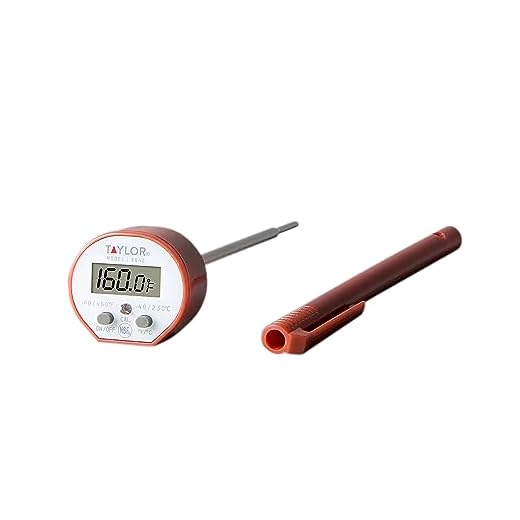
Taylor Waterproof Digital Instant Read Thermometer
Analog glass thermometers often struggle with readability, but the Taylor 3505 features an oversized 8-inch face with bold red liquid that stands out brilliantly against the white backing. During our testing, this non-mercury model matched the accuracy of digital units up to 350°F, though it took about five seconds longer to register sudden spikes. The printed face includes classic candy stages like Soft Ball and Hard Crack right next to the temperature markings. It comes with an adjustable tin clip that slides easily over most standard pot edges.
The traditional glass construction means it requires careful handling. We shattered one dropping it onto a tile floor from counter height. The metal clip is also a bit flimsy and requires occasional bending to maintain tension. Still, for less than ten dollars, it provides exceptional accuracy and is entirely dishwasher safe, making it an excellent starting point for casual holiday bakers.
3. ThermoWorks ChefAlarm
Best Premium
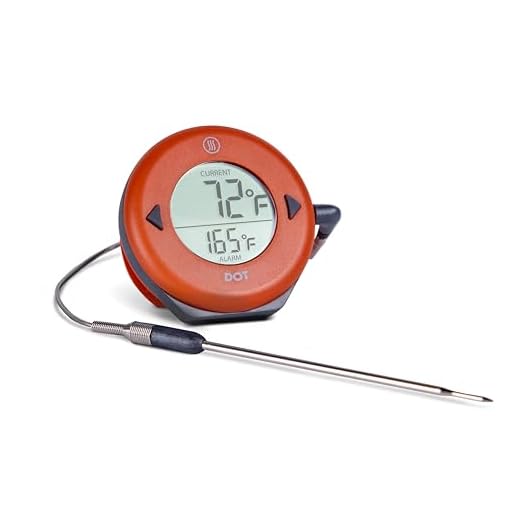
ThermoWorks DOT Simple Alarm Thermometer
While technically a leave-in cooking alarm, the ThermoWorks ChefAlarm paired with their 12-inch Pro-Series High Temp straight probe and a pot clip is the ultimate professional candy-making setup. The base unit sits safely away from the stove on your counter, connected by a 47-inch cable capable of withstanding 700°F. We pushed this setup through four hours of continuous deep-frying at 375°F. The reading remained flawlessly accurate, displaying minimum and maximum temperatures simultaneously. The alarm hits a piercing 92 decibels, ensuring you never miss a temperature target.
At over sixty dollars for the base kit, this is a serious investment. You also have to purchase the pot clip separately. But if you make delicate nougats or temper chocolate regularly, the ability to monitor the exact decimal point of your sugar syrup from across the kitchen is unmatched. It easily replaces both your candy thermometer and your meat thermometer.
4. OXO Good Grips Glass Candy and Deep Fry Thermometer
Best Glass Thermometer
KitchenAid Curved Candy and Deep Fry Thermometer
OXO fixed the biggest flaw of traditional glass thermometers by encasing the delicate glass tube inside a vented stainless steel shield. We intentionally banged this against the side of a cast-iron skillet, and it survived perfectly intact. It measures temperatures from 100°F to 400°F and includes a massive, easy-to-grab handle that stays completely cool even when suspended over a rolling boil of sugar syrup. The clip design is classic OXO. A spring-loaded mechanism securely grips both thin metal pots and thick ceramic Dutch ovens alike.
The heavy steel shielding does create a slight thermal delay. We noticed a 6-second lag compared to our instant-read digital benchmark. The printed numbers are also a bit small, which might force you to lean closer to the hot pot than you prefer. However, for a durable, traditional tool that won’t break during storage in a crowded utensil drawer, this model is outstanding.
5. Polder Candy/Jelly/Deep Fry Thermometer
Best Stainless Steel Analog
Polder Stainless Steel Candy Thermometer
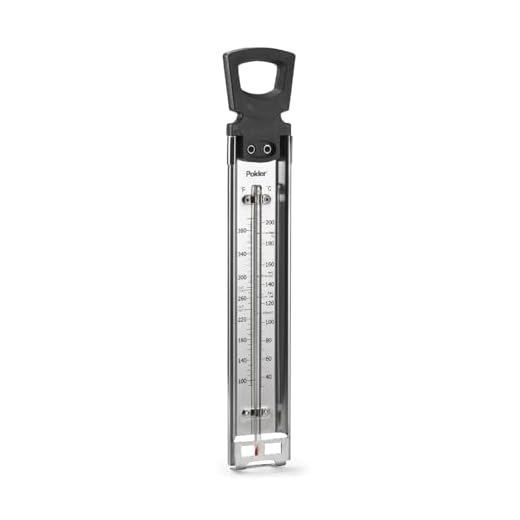
Polder built a tank of a thermometer with this solid stainless steel model. Unlike glass alternatives, the Polder utilizes a bi-metal coil to measure temperatures between 90°F and 400°F. The 12-inch paddle design features a wide metal face with clearly marked candy stages and an oversized heat-resistant top handle. During our deep-fry tests, the extra length proved incredibly useful for keeping the sensing tip submerged in 3 inches of oil while keeping our hands safely above the splatter zone. You can scrape off hardened sugar aggressively.
The pot clip is welded directly to the back of the thermometer. It lacks vertical adjustability, meaning the thermometer sits at a fixed depth depending on your pot height. If you use shallow pans, the tip will hit the bottom and throw off the reading entirely. For deep stockpots and large fryers, it is an unbreakable, highly legible workhorse.
6. Lavatools Javelin PRO Duo
Best Instant-Read Alternative
Lavatools Javelin PRO Duo Meat Thermometer
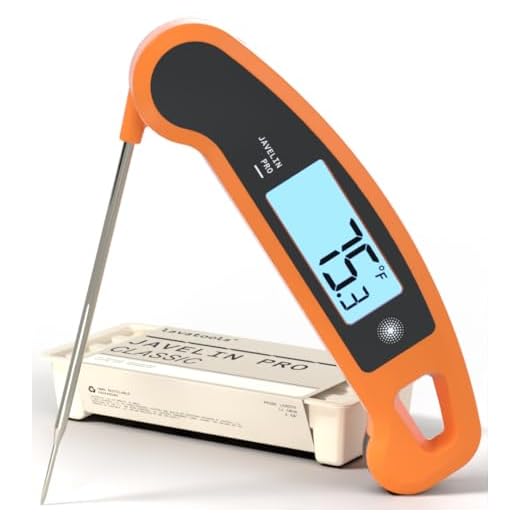
Not everyone wants to clip a long thermometer to a pot. For cooks who prefer spot-checking, the Lavatools Javelin PRO Duo delivers a lightning-fast response time of under 3 seconds. The 4.5-inch probe features a remarkably thin 1.6mm tip that minimizes the risk of sugar crystalizing around the entry point. During our chocolate tempering test, the Javelin read the precise 88°F mark instantly, allowing us to move the bowl off the heat before the cocoa butter broke. The ambidextrous backlit display automatically rotates depending on your grip.
Spot-checking means your hands are closer to bubbling sugar, and you miss out on continuous monitoring. You have to hover over the pot. But the IP65 splash-resistant rating makes it easy to wash sticky caramel off the probe under running water. It doubles perfectly as a high-end meat thermometer, giving it superior year-round utility.
What to Look for in a Candy Thermometer
Temperature Range and Resolution
Sugar work spans a wide thermal spectrum. Tempering dark chocolate happens down around 88°F to 90°F, while making hard caramel or peanut brittle requires pushing past 300°F. Deep frying sits comfortably at 350°F to 375°F. You need a thermometer that spans at least 100°F to 400°F without maxing out the sensor. Digital models often provide resolution down to a single tenth of a degree. This precision is absolutely crucial for delicate chocolate work, where missing the mark by just two degrees completely ruins the snap and glossy finish.
Clip Stability and Design
A loose pot clip is dangerous. When working with 350°F oil or boiling sugar syrup, a thermometer that slides around or falls into the pot is a severe burn hazard. We look for heavy-duty, spring-loaded clips or highly adjustable tension clips that lock tightly onto both thin stainless steel saucepans and thick cast-iron Dutch ovens. The clip must hold the probe tip precisely in the middle of the liquid. It must completely avoid contact with the hot bottom of the pan to ensure accurate readings.
Response Time and Lag
Analog glass and bi-metal thermometers inherently suffer from thermal lag. It can take them 5 to 10 seconds to register a sudden temperature spike. When sugar moves from the soft-crack to the hard-crack stage, the temperature climbs rapidly. A lag of 10 seconds can mean burnt sugar. Digital models utilizing thermistor or thermocouple sensors react in under 3 seconds, giving you ample time to pull your pot off the heat before disaster strikes. Speed equals control in high-heat cooking.
Readability and Steam Shielding
Boiling sugar produces heavy, sticky steam that quickly fogs up thermometer faces. Glass models with bold red spirit liquid and large black numbering are generally easier to read through the haze. For digital units, large backlit LCDs are mandatory. Ensure the electronic housing of any digital unit is properly sealed against steam. Otherwise, moisture will penetrate the casing and short out the circuitry right in the middle of making your holiday fudge, leaving you entirely blind.
Frequently Asked Questions
Our Verdict
The CDN DTC450 offers the best mix of digital speed and secure clipping for regular candy makers. Grab a reliable thermometer, attach it securely to your favorite pot, and stop relying on guesswork for your caramel.