Robot vacuums are a high-upfront investment that absolutely pay off by reclaiming hours of your weekly cleaning schedule. In our testing, we found that modern automated vacuums effectively handle daily sweeping, though they cannot entirely replace a traditional upright vacuum for deep cleaning. We evaluated mapping systems, obstacle avoidance, and maintenance requirements to determine exactly what you get for the price tag.
Time Savings and Daily Convenience
Automated vacuums return hours of your weekend by handling daily floor maintenance. You can schedule cleaning sessions during work hours or errands. Modern units offer customizable schedules, allowing you to program daily passes for high-traffic areas like kitchens and weekly passes for guest rooms. This targeted approach maintains clean floors without draining the battery.
Advanced Mapping and Route Planning
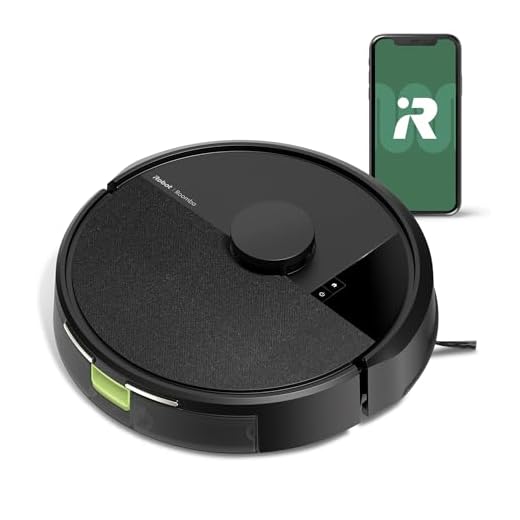
Current models use systems like ClearView LiDAR to map your floor plan, maximizing coverage and preventing the vacuum from missing rooms or getting stuck. Companion apps allow you to create keep-out zones to protect delicate items or avoid loose cables. For example, the iRobot model lets you tap your phone to set custom cleaning zones and check time estimates, making the automated process highly reliable.
iRobot Roomba 105 Vac
Cleaning Performance on Different Surfaces
High-end models feature up to seventy times more power-lifting suction than older entry-level units. Three-stage cleaning systems agitate and lift pet hair, crumbs, and fine dust from deep within carpets. Spot cleaning features handle targeted messes; if you spill cereal, you can send the vacuum directly to that spot. You can also adjust the number of cleaning passes for rooms requiring deeper attention.
Maintenance and Upkeep
Robot vacuums require specific maintenance. You must empty the onboard dustbin frequently unless you use a self-emptying base. Brushes and wheels need regular checks to remove tangled hair, while sensors and charging contacts require wiping to ensure proper docking. Filters are consumable parts requiring regular replacement, which smart apps track and alert you about. This ongoing maintenance adds a small cost but takes only minutes per week.
Final Thoughts
Robot vacuums justify their upfront cost by eliminating daily sweeping. Evaluate your floor plan and budget, then check our latest robot vacuum reviews to find the exact model that fits your household’s specific cleaning needs.
Frequently Asked Questions
Do robot vacuums work well on thick carpets?
Most modern robot vacuums handle low to medium-pile carpets easily. Very thick or shag carpets can trap brushes or slow the machine. Check specific suction power and wheel design if your home has deep carpeting.
Can a robot vacuum replace my regular vacuum completely?
A robot vacuum handles daily maintenance and visible dirt. You will still need a traditional vacuum for stairs, upholstery, and deep cleaning. They function as supplementary tools rather than total replacements.
How long do robot vacuum batteries typically last?
Most models run for 90 to 120 minutes per charge. If the battery runs low, smart vacuums return to their base to recharge before finishing the job. Battery life naturally degrades over a few years of use.


