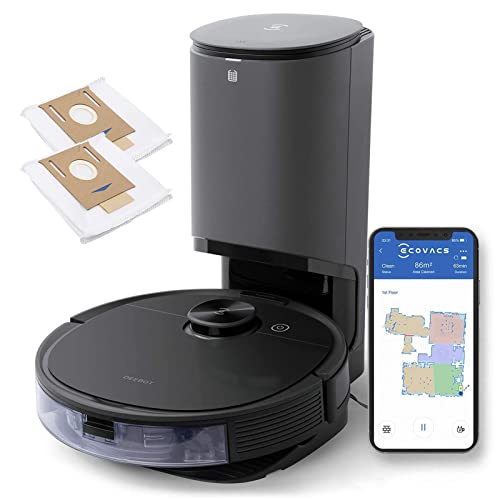
Many people wonder, do robot vacuums really work on carpet? Early models struggled with anything thicker than a basic area rug. They would get stuck on edges or leave visible dirt behind. Modern technology has changed how these machines handle soft flooring. You no longer have to rely entirely on a heavy upright vacuum to keep your carpets clean.
This guide explains exactly how automated cleaners tackle different pile heights. We will look at the specific features that make a difference on woven surfaces. You will learn what to expect regarding suction power and brush roll design. Understanding these details helps you set realistic expectations for your home. By the end, you will know exactly what these devices can and cannot do on carpeted floors.
How Suction Power Affects Carpet Performance
The biggest factor in cleaning soft floors is raw suction power. Manufacturers measure this power in Pascals (Pa). Older models usually offered around 2000 Pa, which barely scratched the surface of thick rugs. Newer high-end models push well past 5000 Pa to pull dirt from deep within the fibers. This massive increase means they can actually lift pet hair and heavy debris out of your carpet.
High suction alone does not guarantee a perfectly clean floor. The vacuum needs a tight seal against the carpet to maximize that pulling force. Many modern units automatically detect when they move from hard floors to carpets. They instantly boost their motor speed to maximum capacity. This auto-boost feature saves battery life while ensuring your rugs get the deep cleaning they need.
Why Brush Roll Design Matters
A strong motor needs a good brush roll to agitate carpet fibers. Traditional bristle brushes work well for sweeping hard floors but often struggle on rugs. They tend to get tangled with long hair and can wear down quickly. Rubber extractors have become the standard for premium models dealing with soft flooring. These flexible rubber rollers beat the carpet to loosen embedded dirt without getting clogged.
Dual rubber rollers offer even better performance on thick carpets. The roborock S8 Pro Ultra Robot Vacuum and Mop uses this exact setup to pull dirt from deep fibers. Its dual rollers spin in opposite directions to grab debris while preventing hair tangles. You spend much less time cutting trapped hair out of the bottom of your machine. This specific combination of dual rollers and high suction makes a massive difference on medium pile carpets.
Moving Across Different Pile Heights
Low pile carpets and tight loop rugs are very easy for automated vacuums to clean. The machines roll over them just like they do on hardwood floors. Medium pile carpets require a bit more effort and larger wheels to maintain traction. Most current models can easily climb the transition strips between rooms and onto these standard rugs. They adjust their suspension to keep the cleaning head in constant contact with the floor.
High pile and shag carpets present a much bigger challenge for any automated cleaner. The long fibers can confuse the drop sensors or wrap around the side spinning brushes. Many machines will simply view a thick shag rug as an obstacle and turn around. If you have very thick carpets (like a heavy shag), you might need to set virtual no-go zones in the companion app. You will still need a traditional upright vacuum to properly maintain those specific high pile areas.
What Happens When You Add a Mop
Many people worry about hybrid machines getting their carpets wet. Early two-in-one models required you to manually remove the mopping pad before cleaning rugs. This defeated the purpose of having an automated cleaning schedule. Manufacturers solved this problem by adding ultrasonic carpet detection to their mapping systems. The robot senses the soft floor and immediately stops the water flow to the mopping pad.
The newest premium models take this protection a step further. They physically lift the mopping pad several millimeters into the air when they detect carpet. This auto-lifting feature keeps your rugs completely dry while the machine vacuums. It allows the robot to clean both hard floors and carpets in a single run. You get the benefit of a freshly mopped kitchen and a vacuumed living room without any manual intervention.
Final Thoughts
The answer to whether these machines work on soft floors is a definite yes. Modern automated cleaners have the suction and brush technology to handle most standard rugs. You just need to match the machine’s capabilities to your specific floor types. They provide excellent daily maintenance that keeps your home looking fresh between deep cleans.
Frequently Asked Questions
Can a robot vacuum replace my upright vacuum on carpet?
An automated cleaner is great for daily maintenance and surface debris. You will still want an upright vacuum for occasional deep cleaning on thick carpets.
Will a robot vacuum ruin my delicate rugs?
Most models are safe for standard rugs and carpets. However, you should avoid using them on antique rugs or carpets with long fringe that can get caught in the rollers.
How do robot vacuums know they are on carpet?
Modern units use ultrasonic sensors located under the bumper to detect floor types. When the sound waves hit a soft surface, the machine knows to increase suction or lift its mop.