Brita vs LifeStraw: Two Filters That Solve Completely Different Problems
One filter makes your kitchen tap taste better; the other keeps you from getting sick when there's no tap at all.
Brita’s pitcher is built for daily countertop use — pull it from the fridge, pour a glass, refill the reservoir. LifeStraw’s straw filter is built for water you can’t trust at all: a stream on a hike, a tap in a country with sketchy infrastructure, a tote of questionable water after a storm knocks out utilities. Comparing them side by side only makes sense once you know which job you’re hiring a filter to do.
- They don't compete for the same job Brita improves taste and reduces chlorine, copper, and cadmium in municipal tap water. LifeStraw is a biological safety filter rated to strip bacteria and parasites from untreated water.
- Brita needs a fridge, LifeStraw needs a pocket The Brita pitcher only works parked in a refrigerator with room to spare; the LifeStraw fits in a glove box, backpack, or go-bag and needs zero setup.
- Filter math favors LifeStraw for volume One LifeStraw filter handles roughly 1,000 gallons before replacement, while a Brita filter is rated for about two months of typical household use.
- Neither one does the other's job well Brita won’t make stream water safe to drink, and a LifeStraw won’t improve the taste of chlorinated tap water the way a carbon pitcher will.

Best Overall: Brita Large Water Filter Pitcher
10-cup pitcher fits refrigerator shelves and filters chlorine taste, copper, and cadmium from tap water for two months per filter.
- Fits standard refrigerator door shelves and side compartments
- No installation — fill it and it’s working in minutes
- Noticeably cuts the chlorine taste and smell most municipal tap water has
- Filter cost per gallon is low compared to buying bottled water
- Reservoir refills slowly, so it’s not great for filling multiple glasses back-to-back
- Doesn’t remove bacteria, viruses, or parasites — it’s a taste/light-contaminant filter, not a purifier
- Filter light and replacement schedule is easy to forget until the water starts tasting off again
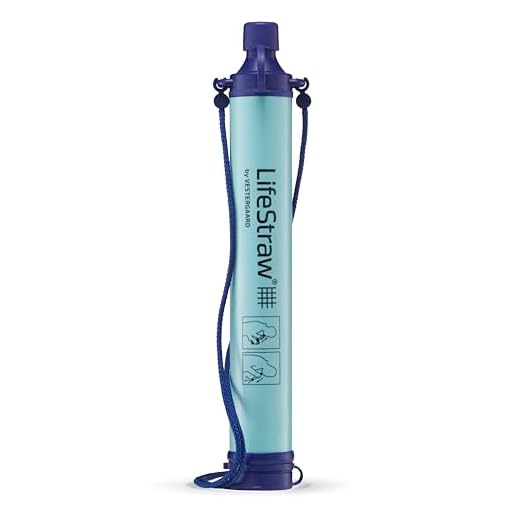
Top Outdoor Pick: LifeStraw Personal Water Filter
Straw-style filter strips 99.999999% of bacteria and parasites from any water source, giving 1,000 gallons of safe drinking water on the trail.
- Small enough to clip to a pack strap or toss in a car’s console
- Works straight from streams, lakes, or questionable taps — no pre-filtering needed for most sources
- No moving parts, batteries, or replacement cartridges to track
- One of the cheapest ways to add real emergency-preparedness value to a bag
- You have to drink at the source — it’s not built for filling a jug for later use
- Doesn’t remove viruses, so it’s not the right call in regions where viral contamination is the concern
- Suction takes more effort as the filter approaches its lifespan, which is your only real warning sign
Side-by-side comparison
|
Best Overall
Brita Large Water Filter Pitcher for Tap and Drink
|
Top Outdoor Pick
LifeStraw Personal Water Filter for Hiking, Campin
|
|
|---|---|---|
|
|
|
|
| Primary Use Case | Daily tap water at home | Backcountry, travel & emergency water |
| What It Removes | Chlorine taste, copper, cadmium | Bacteria & parasites (not viruses) |
| Capacity / Output | 10 cups per fill | 1,000 gallons total lifespan |
| Filter Lifespan | ~2 months | ~1,000 gallons of use |
| Portable | No | Yes |
| Price | $28.33 | $14.99 |
| BUY NOW | BUY NOW |
What to look for in Brita vs LifeStraw Water Filters
Can I use a Brita pitcher instead of a LifeStraw when traveling?
No. Brita filters are designed to improve the taste of already-treated tap water, not to remove bacteria or parasites from unknown water sources. If you’re traveling somewhere with questionable water quality, a LifeStraw or similar purifier is the safer choice.
Does the LifeStraw filter remove viruses?
No, the standard LifeStraw personal filter is rated for bacteria and protozoan parasites but not viruses. In regions where viral contamination is a real risk, look for a filter or purification method specifically rated for virus removal.
How often do I need to replace the filters?
The Brita filter is rated for about two months of typical household use before it needs swapping. The LifeStraw filter lasts roughly 1,000 gallons, which for most people covers years of intermittent outdoor or emergency use before replacement is even a consideration.
Is it worth owning both types of filter?
For most households, yes. The Brita handles daily drinking water at home, while a LifeStraw sits in a car, backpack, or emergency kit for the times you’re away from treated water. They’re inexpensive enough that owning both covers nearly every water-safety scenario.
The bottom line
- Brita Large Water Filter Pitcher is the pick for daily home use — it fixes chlorine taste and sits in the fridge doing its job with zero maintenance beyond a filter swap.
- LifeStraw Personal Water Filter is the pick for anywhere the tap can't be trusted — hiking, travel, or an emergency kit that needs to actually work when it matters.
These two aren’t really rivals — they’re a matched pair covering different water problems. The Brita pitcher earns its place on the counter for everyday tap water, and the LifeStraw earns its place in a pack for everything else.