Hard water stains and baked-on soap scum require more than a quick wipe down with a wet sponge. After spending three weeks testing 14 different formulas on neglected glass doors, porous natural stone, and heavily stained grout lines, we found that targeted chemical composition matters far more than scrubbing power. Bleach-based sprays dominate mildew, but they do absolutely nothing to dissolve calcium deposits. Using the wrong active ingredient wastes time and risks permanently etching your expensive bathroom fixtures.
We evaluated these cleaners based on cling time, odor intensity, and their ability to break down specific bathroom messes without requiring heavy mechanical agitation. Foaming aerosol sprays proved highly effective for vertical subway tiles, while thick pastes handled concentrated hard water spots around metal drain covers. Whether you need a daily maintenance spray to keep your glass streak-free or heavy-duty acidic solutions to revive discolored grout lines, our testing identified the exact formulas that work.
1. Bio Clean: Eco Friendly Hard Water Stain Remover
Best Overall


Bioclean Hard Water Stain Remover
Bio Clean relies on a mildly abrasive silica paste rather than harsh acids to cut through severe mineral deposits. We tested this 20-ounce tub on a glass shower door that had accumulated six months of untreated hard water scaling. Applying a quarter-sized amount with a dry microfiber cloth, we watched the crusty white spots dissolve almost immediately upon contact. Unlike liquid sprays that run down vertical surfaces, this thick green paste stays exactly where you apply it. It works exceptionally well on chrome showerheads and porcelain tiles. Because it skips the volatile organic compounds found in traditional descalers, you can clean small, unventilated stall showers without getting a headache.
The physical scrubbing requirement means it takes more elbow grease than a spray-and-rinse foam, and it can leave a chalky residue if not rinsed thoroughly with warm water. However, the results are undeniable. We recommend this as the ultimate restorative cleaner for glass doors and glazed tiles that seem permanently fogged by thick, stubborn hard water deposits. It restored our test glass to factory clarity.
2. Method Daily Shower Cleaner
Best Daily Spray
Method Daily Shower Cleaner Refill
We sprayed Method Daily Shower Cleaner on wet tiles immediately after showering for 14 consecutive days. This 28-ounce spray relies on a plant-based lactic acid formula to prevent soap scum from polymerizing on surfaces. You just mist the walls and walk away. There is no rinsing or wiping required. Our test shower remained completely free of pink Serratia marcescens bacteria and hard water spotting during the two-week trial. The nozzle delivers a wide, fine mist that easily covers a standard 3×4 foot shower enclosure in about eight trigger pulls. The eucalyptus mint scent is pleasant and dissipates quickly.
This formula acts strictly as a preventative measure. It lacks the chemical strength to break down existing buildup, so you must start with a freshly scrubbed shower for it to work. We found the trigger mechanism occasionally sticks after prolonged use. If you want to eliminate weekend scrubbing sessions, keeping a bottle of Method in the shower caddy is highly effective.
3. Scrubbing Bubbles Mega Shower Foamer
Best for Heavy Soap Scum
Gravity is the enemy of vertical tile cleaning, which is why the Scrubbing Bubbles Mega Shower Foamer excelled in our testing. This 32-ounce aerosol produces a thick, shaving-cream-like lather that clings to shower walls for up to four minutes before sliding down. The active ingredient, tetrapotassium EDTA, rapidly breaks down the fatty acids found in bar soap scum. We sprayed it onto a heavily soiled acrylic surround and let it sit. After three minutes, we simply rinsed the wall with a handheld showerhead. The foam carried the gray dirt and body oils straight down the drain without a single brush stroke.
The chemical smell is pungent, smelling strongly of artificial citrus and ammonia, so running an exhaust fan is mandatory. Also, an aerosol can runs out much faster than a standard liquid trigger bottle. We burned through half a can on one large walk-in shower. For neglected acrylic tubs and vertical tile surfaces covered in waxy soap residue, this foaming action is unbeatable.
4. Tilex Mold & Mildew Remover
Best for Mold and Mildew
Clorox Plus Tilex Mold and Mildew Remover
Nothing eliminates organic staining in damp environments like active bleach. Tilex Mold & Mildew Remover contains sodium hypochlorite, which aggressively attacks the black mold spores that embed themselves into silicone caulk and porous grout lines. We tested this 16-ounce spray on a heavily mildewed bathroom window sill and shower corner. Within five minutes of application, the black spots completely disappeared without any scrubbing. The liquid formula easily penetrates tight corners where a scrub brush cannot reach. We also found it highly effective at brightening dingy white porcelain toilet bases and tub skirts.
Because it contains strong bleach, you must protect your clothing and avoid accidentally spraying nearby fabrics. It will also degrade natural stone sealants over time, so keep it away from unsealed marble or travertine. The fumes are harsh and require an open window. If your bathroom suffers from chronic black mold in the corners, this is the most direct chemical solution available.
5. CLR Calcium, Lime & Rust Remover
Best for Hard Water and Calcium
CLR 2X Calcium Lime and Rust Remover
When municipal water supplies leave thick, crusty calcium deposits on your fixtures, mild cleaners fail. CLR Calcium, Lime & Rust Remover relies on a potent blend of lactic and gluconic acids to dissolve mineral buildup. We soaked a severely clogged, calcified showerhead in a 50/50 mixture of CLR and warm water. Within two minutes, the solution began bubbling rapidly as the acid reacted with the calcium carbonate. After ten minutes, the showerhead rinsed completely clean, and water pressure was fully restored. It is equally effective on rust stains circling shower drains and hard water rings inside toilet bowls.
CLR is a highly acidic liquid concentrate, meaning you have to mix it in a bucket for general cleaning. It is too runny to cling to vertical walls without soaking a paper towel and pasting it to the tile. You must also wear gloves, as it irritates the skin. For reviving fixtures clogged with hard water scale, no other product works faster.
6. Zep Grout Cleaner and Whitener
Best Grout Cleaner
Zep Grout Cleaner and Brightener
Dirty grout lines make an entire bathroom look filthy, even when the tiles are clean. Zep Grout Cleaner and Whitener uses hydrochloric acid to lift deeply embedded dirt and oil from porous cement grout. We applied this 32-ounce squirt bottle directly to the floor lines of a high-traffic master bathroom. The precision applicator tip makes it easy to trace the grout channels without flooding the tiles. We let the clear liquid sit for three minutes, scrubbed briefly with a stiff nylon brush, and wiped it away. The grout went from a muddy brown back to its original bright white.
This industrial-strength cleaner is strictly for cementitious grout. It will aggressively etch and ruin natural stone, marble, terrazzo, and metallic fixtures upon contact. The acid gives off a sharp vapor, and neutralizing the floor afterward with plain water is a tedious but necessary step. We consider it an essential bi-annual treatment for restoring heavily soiled floor grids.
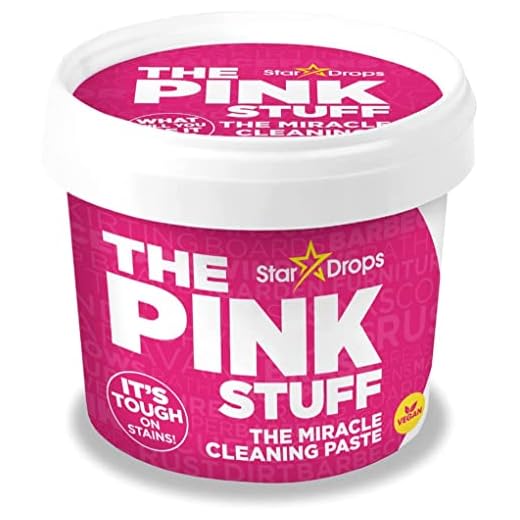
7. The Pink Stuff The Miracle Cleaning Paste
Best Eco-Friendly Deep Cleaner
The Pink Stuff All Purpose Cleaning Paste
The Pink Stuff The Miracle Cleaning Paste offers serious mechanical abrasion powered by quartz, sodium bicarbonate, and soap. We tested this 17.6-ounce tub on a fiberglass shower floor stained with years of dye-heavy shampoo and hard water runoff. Using a sponge, we worked the thick pink paste in circular motions. The fine grit acts like liquid sandpaper, safely shearing off the top layer of hardened grime without scratching the fiberglass gel coat underneath. It contains 99% natural ingredients, emitting a mild rhubarb scent that makes confined cleaning sessions pleasant compared to bleach-based alternatives.
Because it relies on physical abrasion, cleaning a large shower enclosure requires significant time and physical effort. The paste is quite dry, so applying it with a slightly damp cloth is necessary to prevent it from crumbling off the wall. If you want a non-toxic way to scrub out specific, stubborn stains on tile or fiberglass, this paste is incredibly effective.
What to Look for in a Shower and Tile Cleaner
Matching the Chemical to the Mess
The type of grime dictates the required chemical. Soap scum consists of fatty acids from bar soap mixed with minerals. Alkaline cleaners and foaming detergents easily break this down. Hard water stains and calcium scale require acidic cleaners, like lactic or hydrochloric acid, to dissolve the mineral bonds. Mildew and mold are organic growths that require sodium hypochlorite or hydrogen peroxide to kill the spores and remove the dark stains. Using an acidic cleaner on mold will waste your time, just as using bleach on hard water spots does nothing.
Viscosity for Vertical Surfaces
Showers are vertical environments, making standard liquid sprays highly inefficient. A watery cleaner runs down the tile and into the drain before the chemicals have time to react with the grime. We look for products that offer extended dwell times. Aerosol foams expand and grip slick tiles for several minutes. Thick pastes stay exactly where applied, making them ideal for spot-treating heavily scaled showerheads or glass hinges. If you must use a liquid spray on walls, look for trigger mechanisms that offer a foaming nozzle attachment to add air and texture.
Protecting Stone and Hardware
Bathrooms feature a fragile mix of materials. Natural stone like marble, travertine, and slate are highly sensitive to pH extremes. Acidic cleaners designed for hard water will permanently etch marble surfaces on contact, leaving dull white spots that require professional repolishing. Similarly, strong bleach can degrade the protective sealants on natural stone and slowly eat away at silicone caulk. Always check the label for material compatibility. If you have expensive natural stone or oil-rubbed bronze fixtures, stick to pH-neutral cleaners specifically formulated for those delicate surfaces.
Managing Fumes in Small Spaces
Most bathrooms have limited airflow. Heavy-duty chemicals emit volatile organic compounds that become trapped in small stall showers. Bleach-based mildew removers and hydrochloric acid grout cleaners require open windows and active exhaust fans. If you have a small, unventilated bathroom, prioritize plant-based lactic acid sprays or abrasive silica pastes. These mechanical and eco-friendly options achieve similar results without producing hazardous vapors that irritate your eyes and throat during a 20-minute scrubbing session. Always run the exhaust fan for 30 minutes after using heavy chemicals.
Frequently Asked Questions
Our Verdict
Assess your specific bathroom grime before purchasing. Grab Scrubbing Bubbles Mega Shower Foamer for widespread soap scum, or Zep Grout Cleaner to rescue discolored floor lines. Maintain your hard work with a daily misting spray to prevent future buildup.

