Steam mops can permanently ruin hardwood floors if used incorrectly. While the combination of heat and water provides a deep clean, it poses a severe risk to wood surfaces. In our testing, we found that even sealed floors can warp if water sits on them for too long. You must verify your floor’s finish before applying any moisture. Unsealed wood absorbs water instantly, leading to irreversible swelling and cupping.
The Risks of Steam on Wood Floors
Wood is a natural material that reacts strongly to changes in temperature and humidity. When you apply hot steam to a wooden plank, the heat opens up the pores of the wood. Moisture then penetrates the surface and causes the fibers to swell. This swelling leads to warping, cupping, and permanent structural damage over time. Even a single heavy steam session can ruin the smooth surface of your flooring.
The finish on your floor also takes a beating from high heat. Steam can melt or dull the protective layer of polyurethane or wax. Once the finish is compromised, the bare wood underneath becomes completely vulnerable to spills and dirt. You might notice a cloudy appearance on the wood after using a steam mop. Repairing this kind of damage usually requires sanding and refinishing the entire room.
How to Tell if Your Floors Are Sealed
You should only consider wet cleaning methods if your hardwood floors have a fully intact seal. The easiest way to check your floor is to perform a simple water test in an inconspicuous area. Drop a small bead of water onto the floorboards and watch how it reacts. If the water beads up and sits on the surface, your seal is likely intact. If the water absorbs into the wood and leaves a dark spot, your floors are unsealed.
You must also check for cracks or gaps between the floorboards. A surface might be sealed, but water can still seep down into the joints between the planks. Older homes often have floors that have shifted and created these vulnerable spaces. If you see visible gaps, you should avoid using any cleaning method that leaves water behind. Stick to dry dusting and vacuuming for floors with compromised seals or wide gaps.
If you decide to purchase a machine for your sealed floors, prioritize these specific features to prevent water damage.
Water Extraction Capabilities
Choose a machine that immediately extracts dirty water. This prevents moisture from sitting on the wood and causing the fibers to swell.
Adjustable Steam Settings
If you must use a steam mop, ensure it has a low steam setting. Less moisture reduces the risk of water seeping into microscopic cracks in the finish.
Dual Tank Systems
A dual tank system keeps clean and dirty water completely separate during the cleaning process, ensuring you never push dirty water back onto the floor.
Safer Alternatives for Hardwood Cleaning
If you decide that steam is too risky for your floors, you have other options for a deep clean. Dedicated hard floor cleaners offer a safer way to wash sealed hardwood without the extreme heat. These machines apply a cleaning solution and then immediately extract the dirty water. This process prevents moisture from sitting on the wood and causing damage. You get the benefit of a scrubbed floor without the long drying times associated with traditional mopping.
The Hoover FloorMate Deluxe Hard Floor Cleaner Machine provides a great example of this technology. It features a wash and dry mode that suctions up excess water to improve drying time. The machine uses SpinScrub Brushes to gently scrub sealed hardwood, tile, and laminate surfaces. A dual tank system keeps the clean and dirty water completely separate during the cleaning process. This lightweight machine gives you a thorough clean while protecting your sealed wood floors.
Rules for Using a Steam Mop on Sealed Wood
Some homeowners still prefer to use steam mops on their fully sealed hardwood floors. If you choose this route, you must keep the mop moving constantly to prevent heat buildup in one spot. Letting a hot steam pad sit on a single plank will almost certainly damage the finish. You should also use the lowest steam setting available on your device. Less moisture means less risk of water seeping into the microscopic cracks in the finish.
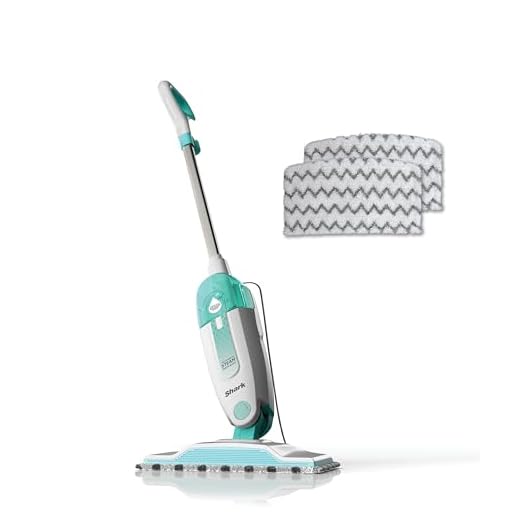
The Shark Steam Mop offers a lightweight option for those who want to carefully steam clean. It comes with a removable water tank that makes filling the device simple. The mop includes two machine washable dirt grip pads that pick up dust and grime as you glide across the floor. You must make sure the pads are clean before you start to avoid scratching the wood surface. Always dry the floor with a microfiber cloth immediately after steaming to remove any lingering moisture.
Shark Steam Mop S1000
Final Thoughts
Steam mops pose severe risks to hardwood floors. Test your floor’s seal with a drop of water before proceeding. If unsealed, stick to dry vacuuming. If sealed, purchase a cleaner with active water extraction to protect your investment.
Frequently Asked Questions
Can steam mops ruin hardwood floors?
Yes, steam mops can cause permanent damage to hardwood floors. The combination of heat and moisture can warp the wood and strip away the protective finish.
How often should you mop hardwood floors?
You should only damp mop hardwood floors once every one to two months. Regular maintenance should consist of dry dusting, sweeping, or vacuuming to remove abrasive dirt.
What is the best way to clean unsealed wood floors?
Unsealed wood floors should never be cleaned with water or liquid solutions. You should sweep or vacuum them regularly and treat them with specific waxes formulated for unsealed wood.
Does vinegar damage hardwood floors?
Vinegar is highly acidic and can dull the finish on your hardwood floors over time. You should use pH-neutral cleaners specifically formulated for wood surfaces instead.

