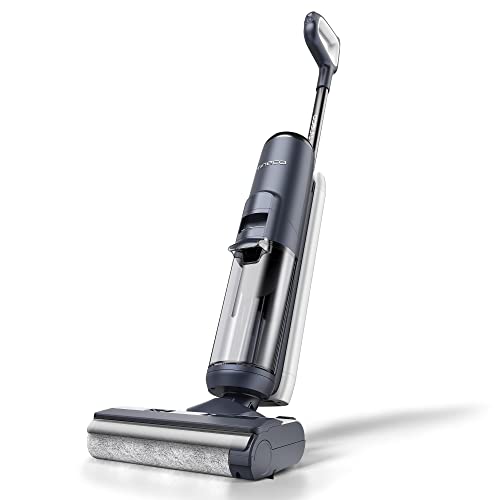
Vacuuming is the most effective way to clean hardwood floors, provided you use the correct tools. While sweeping merely pushes dust around, a high-quality vacuum extracts abrasive dirt from deep within floorboard crevices before it can scratch your finish.
This guide details the exact techniques and vacuum types required to protect your bare floors from damage. We cover the specific attachments to use, the ones to avoid entirely, and the maintenance routines that extend the life of your wood floors.
Choosing the Right Vacuum Type
Not all vacuums are safe for delicate wood surfaces. Heavy upright models with stiff bristles can easily leave permanent scratches. Stick vacuums are often a great choice because they are lightweight and easy to maneuver. Canister vacuums also work well since the heavy motor sits on the floor while you hold a light wand. You want a machine that offers strong suction without relying on aggressive brush rolls.
The Dyson V8 Plus Cordless Vacuum is a solid option for this task. It features a Motorbar cleaner head that deep cleans all floor types. The machine is lightweight for quick and versatile cordless cleaning around your home. You get up to 40 minutes of fade-free suction power on the standard setting. It also includes three attachments to clean up high and down low.
Dyson V8 Plus Cordless Vacuum

Preparing Your Floors for Vacuuming
A little preparation goes a long way before you turn on your machine. Start by picking up any large debris like coins or small toys. These hard objects can get caught in the vacuum head and drag across the wood. You should also move light furniture out of the way to reach hidden dust bunnies. Shaking out your area rugs outside prevents extra dirt from settling on the bare floor.
Check your vacuum wheels before you begin your cleaning session. Small rocks or hard dirt particles sometimes stick to the plastic wheels. If you roll over the floor with dirty wheels, you risk creating long scratch marks. Wipe the wheels down with a damp cloth if they look gritty. This simple step takes only a few seconds but protects your expensive flooring investment.
The Importance of Turning Off the Brush Roll
The spinning brush roll is the biggest enemy of a hardwood floor. Manufacturers build these stiff bristles to agitate carpet fibers and pull up trapped dirt. When used on bare wood, those same bristles act like sandpaper. They can dull the finish over time and leave visible swirl marks. Always check your vacuum settings to ensure the brush roll is completely disabled.
Some vacuums come with a dedicated hard floor attachment instead of a switch. These attachments usually feature soft felt or gentle bristles that glide safely over the wood. If your machine has a bare floor setting, it usually stops the brush and lowers the suction head. The Kenmore 81414 Bagged Canister Vacuum is a traditional model that handles bare floors well. Canister models typically use straight suction floor brushes that are perfectly safe for wood.
Kenmore 400 Series Bagged Canister Vacuum

Step by Step Vacuuming Technique
1. Start in the farthest corner of the room and work your way toward the door. 2. Move the vacuum in long and slow strokes along the direction of the wood grain. 3. Overlap your passes slightly to ensure you do not miss any fine dust. 4. Use a crevice tool to clean along the baseboards and in tight corners. 5. Empty the dustbin or change the bag when it gets half full to maintain strong suction.
Vacuuming with the grain of the wood helps pull dirt out of the tiny seams. Going across the grain often leaves microscopic dust particles trapped in the grooves. You should avoid pressing down hard on the handle while you clean. Let the suction power do the heavy lifting rather than physical force. A gentle touch keeps your floors looking shiny and new for years.
Final Thoughts
Vacuuming hardwood floors is completely safe with the correct tools. Turn off your brush roll, attach a soft-bristled floor head, and vacuum with the wood grain to protect your finish. Check your vacuum wheels for debris before starting today.
Frequently Asked Questions
How often should I vacuum my hardwood floors?
You should aim to vacuum your hard floors at least once a week. Homes with pets or heavy foot traffic might need a quick pass every few days. Regular cleaning prevents dirt from grinding into the finish.
Can I use a robot vacuum on bare wood?
Most robot vacuums are perfectly safe for hardwood floors. They typically use soft rubber brushes and gentle side sweepers. Just make sure to check their wheels regularly for trapped debris.
Is sweeping better than vacuuming for wood floors?
Vacuuming is generally more effective than sweeping. Brooms tend to kick fine dust up into the air where it eventually settles back down. A vacuum captures the dust and pulls dirt out of the floorboard crevices.