Hardwood floors add incredible value and beauty to a home. Keeping them clean requires constant attention to dust and pet hair. Many homeowners want to automate this chore but worry about potential damage. You might find yourself asking, Do Robot Vacuums Scratch Hardwood Floors? It is a valid concern when you consider a machine dragging itself across your expensive wood planks every single day.
The good news is that modern automated vacuums are specifically designed to protect delicate surfaces. Manufacturers use soft rubber wheels and gentle brush rolls to prevent surface damage. However, user error and poor maintenance can still lead to accidental scuffs. We will explain exactly how these machines interact with wood floors and what you can do to prevent scratches. By the end of this guide, you will know how to keep your floors safe while enjoying automated cleaning.
The Short Answer About Hardwood Floors
Most robot vacuums will not scratch your hardwood floors under normal operating conditions. The wheels on these devices are typically made from soft rubber or silicone. These materials grip the floor gently without leaving permanent marks or gouges. The front caster wheel is also designed to pivot smoothly across flat surfaces. As long as the machine is functioning correctly, the plastic chassis never actually touches the ground.
The cleaning mechanisms are equally safe for sealed wood surfaces. Side brushes use soft nylon bristles that sweep dust inward without applying heavy downward pressure. The main brush roll usually features a mix of soft bristles and rubber flaps. Some newer models rely entirely on rubber extractors that cannot scratch wood at all. You can confidently run these devices on oak, maple, or pine floors without fear of direct damage from the vacuum parts.
How Trapped Debris Causes Scratches
While the vacuum itself is safe, the dirt it collects can sometimes cause problems. A small pebble or piece of hard glass can easily get wedged inside the front caster wheel. When the robot continues its cleaning cycle, that trapped object acts like a piece of coarse sandpaper. The machine will drag the sharp debris across your floor and leave a noticeable trail of scratches. This is the most common way automated vacuums damage hard surfaces.
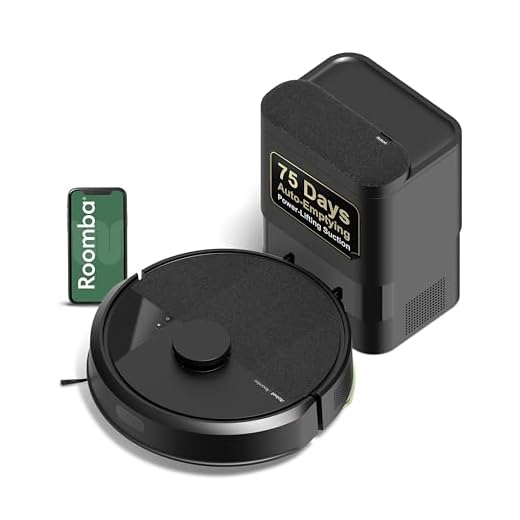
High suction power helps prevent debris from getting left behind or caught in the wheels. The iRobot Roomba 105 Vac Robot Vacuum tackles this issue with 70X more power-lifting suction to devour dirt quickly. It also features an AutoEmpty dock that holds up to 75 days of debris in a sealed bag. This means less dirt is floating around the base station to get stuck on the robot later. ClearView LiDAR mapping ensures the machine takes efficient paths instead of dragging dirt randomly across the room.
iRobot Roomba 105 Vac Robot Vacuum
The Importance of Brush Roll Design
The type of main brush under your vacuum plays a major role in floor safety. Older or cheaper models often use stiff nylon bristles designed primarily for digging into thick carpets. When these stiff brushes spin rapidly on hard wood, they can create micro-scratches in the polyurethane finish over time. This dulls the shine of your floor and makes it look worn out prematurely. You should always check the brush material before letting a new robot loose on your wood floors.
Modern high-end vacuums often skip the stiff bristles entirely in favor of softer materials or pure suction power. The ECOVACS DEEBOT T50 PRO Omni Robot Vacuum and Mop offers a massive 15,000Pa suction capacity to pull dust directly from wood grain. Its ultra-slim 3.19-inch profile allows it to glide under low furniture without getting stuck and dragging itself aggressively. Strong suction means the vacuum relies less on mechanical agitation to pick up fine dust. This gentle approach keeps your hardwood finish looking glossy and new for years.
Ecovacs Deebot T50 Pro Omni

Managing Moisture with Robot Mops
Many modern robot vacuums also include mopping features to wipe away sticky messes. Water is the natural enemy of unsealed or damaged hardwood floors. If a robot mop leaves puddles behind, the moisture can seep into the seams and cause the wood planks to warp. You need a device that applies a very thin, controlled layer of water that dries almost instantly. It is also crucial that the wet mop pad does not drag across your valuable rugs.
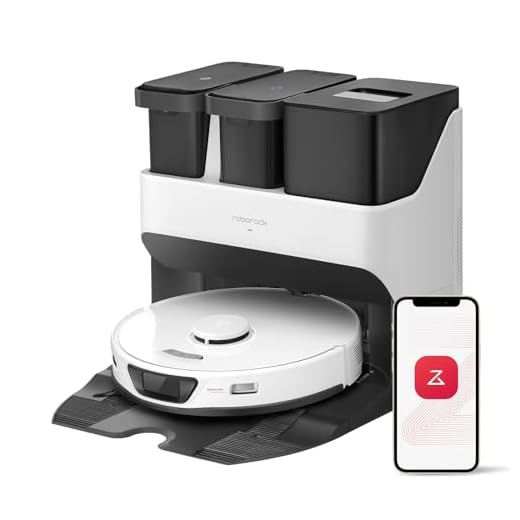
Advanced combination units handle moisture control exceptionally well. The roborock S7 Max Ultra Robot Vacuum and Mop Combo uses a VibraRise Mopping System that scrubs at high speeds to remove dried stains. It features Auto Mop Lifting so the wet pad raises up when it detects carpets or when returning to the dock. The included RockDock Ultra provides hands-free cleaning by automatically washing and drying the mop pad. This prevents a damp, dirty pad from sitting directly on your wood floors after the cleaning cycle finishes.
Roborock S7 Max Ultra Robot Vacuum
Routine Maintenance to Protect Your Floors
Preventing scratches ultimately comes down to a simple maintenance routine. You should flip your robot vacuum over at least once a week to inspect the moving parts. Check the front caster wheel to ensure it spins freely and is completely free of grit. Wipe the rubber side wheels with a damp cloth to remove any sticky residue that might attract hard dirt. Taking five minutes to clean the undercarriage will save you from expensive floor repairs down the road.
You also need to maintain the sensors that guide the machine around your home. Dusty cliff sensors or dirty bumpers can cause the robot to bump aggressively into your wooden baseboards. Use a dry microfiber cloth to gently wipe down all the optical windows on the device. Clear away any tangled hair from the main brush roll so it does not create uneven friction against the floor. A clean and well-maintained robot vacuum is the safest tool you can use on your hardwood floors.
Final Thoughts
Robot vacuums are generally very safe for hardwood floors as long as you choose a model with gentle components. The real danger comes from trapped debris acting like sandpaper under the wheels. By performing quick weekly maintenance and selecting a vacuum with smart navigation, you can keep your floors pristine. You can finally enjoy a dust-free home without worrying about damaging your beautiful wood planks.
Frequently Asked Questions
Can I use a robot vacuum on engineered hardwood?
Yes, robot vacuums are perfectly safe for engineered hardwood floors. The protective wear layer on engineered wood is similar to solid hardwood finishes. Just ensure the vacuum wheels are clean and free of sharp debris.
How often should I check the wheels for debris?
You should inspect the wheels at least once a week if you run the vacuum daily. Homes with pets or children might require more frequent checks. Removing small pebbles or hard dirt promptly prevents accidental scratching.
Do robot mops ruin wood floors?
Robot mops will not ruin properly sealed wood floors if they use controlled water flow. You should avoid using them on unsealed or heavily damaged wood where water can seep into the grain. Always choose a model that lifts its mop pad or dries it at the dock to prevent standing water.