You are standing in the kitchen with a bubbling pot of sugar syrup on the stove and a thick steak resting on the counter. You grab the nearest thermometer from your drawer. If you stick a standard digital meat thermometer into hot caramel, the sensor will fry instantly. If you use a glass candy thermometer to check your chicken breast, the blunt tip will tear the meat to shreds while giving you a completely inaccurate reading.
These two kitchen tools look similar at first glance. They both measure temperature to keep your food safe and tasty. The similarities stop there. A candy thermometer measures extreme heat up to 400 degrees Fahrenheit. A meat thermometer focuses on a much lower, highly specific range between 120 and 200 degrees Fahrenheit.
Knowing the difference saves your recipes and protects your equipment. You will learn exactly how these tools work, their distinct temperature ranges, and why swapping them usually ends in a kitchen disaster.
The Design Differences That Matter
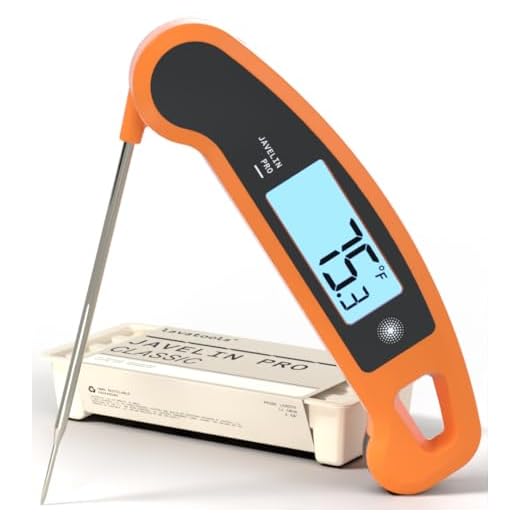
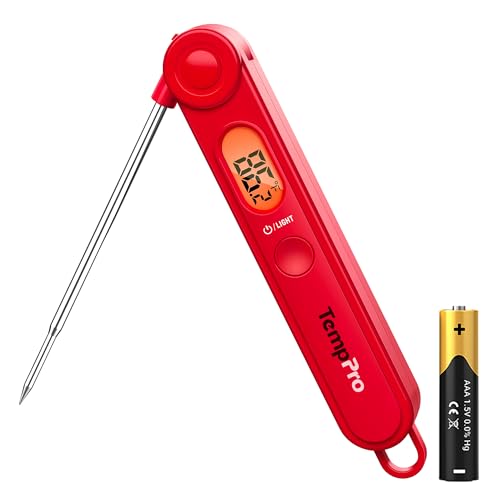
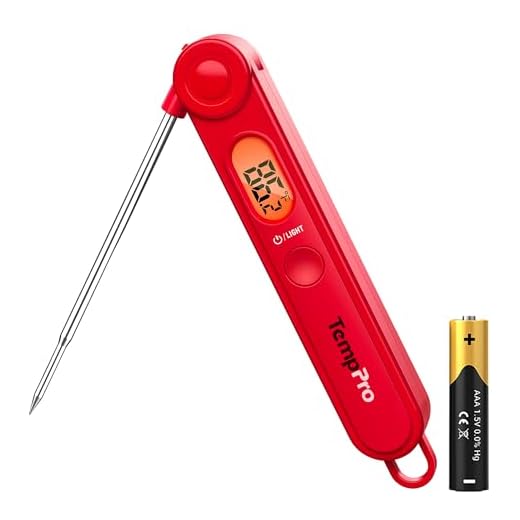
Meat thermometers feature a sharp pointed tip designed to pierce raw muscle fibers without mangling the cut. The temperature sensor sits right at the very end of this point. You insert it into the thickest part of a roast or breast to check internal doneness. Many digital instant-read models fold up like a pocket knife for safe storage. They are built for quick checks rather than sitting inside the food for hours.
Candy thermometers look entirely different. They have a long metal probe or a flat glass body with a rounded bottom. This blunt design prevents you from scratching the bottom of your expensive copper sugar pots. They almost always include an adjustable metal clip attached to the side. You secure this clip to the edge of your pot so the thermometer can monitor a rolling boil hands-free for twenty to forty minutes.
Decoding the Temperature Ranges
Range is the absolute biggest separator between these two tools. Meat is fully cooked and safe to eat at relatively low temperatures. A rare steak hits 125 degrees Fahrenheit. A whole turkey is perfectly done at 165 degrees Fahrenheit. Most standard meat thermometers max out around 220 degrees Fahrenheit. If you expose them to higher heat, the internal wiring melts and the digital screen goes permanently black.
Boiling sugar and deep-frying oil require intense heat. The soft ball stage for fudge happens at 235 degrees Fahrenheit. Hard crack stage for brittle requires 300 degrees Fahrenheit. Frying chicken requires oil held steady at 350 degrees Fahrenheit. Candy thermometers are built specifically to handle these extreme environments. They typically read from 100 degrees up to 400 degrees Fahrenheit.
Response Times and Reading Speeds
When you pull a steak off the grill, you need to know the temperature immediately. Carryover cooking continues to raise the internal temperature by five to ten degrees while the meat rests. A high-quality digital meat thermometer gives you an accurate reading in two to three seconds. You get the number, you pull the meat, and you avoid serving dry chicken to your family.
Candy making is a slower, more gradual process. A traditional glass candy thermometer takes up to a full minute to register the correct temperature. This slower response time works perfectly fine for sugar work. You leave the thermometer clipped to the pot the entire time. You simply watch the red liquid slowly climb up the glass tube as the water evaporates from your sugar syrup.
Why You Cannot Swap Them
Using a meat thermometer in hot oil or boiling sugar destroys the tool. The plastic casing around the display will melt right into your food. The high heat overloads the sensor and breaks the unit entirely. You will ruin your thermometer and you will likely have to throw out your batch of caramel or frying oil to avoid eating melted plastic.
Putting a candy thermometer into a pork chop presents different problems. The blunt probe struggles to push through raw meat. If you do manage to force it in, the thick probe leaves a massive hole that lets all the juices run out into your pan. Glass candy thermometers also pose a serious physical danger. Twisting a glass tube into a tough piece of meat can snap the glass right into your dinner.
Cleaning and Maintenance Protocols
Meat thermometers need immediate sanitizing after touching raw poultry or beef. You must wash the metal probe with hot soapy water after every single poke. You cannot submerge the digital head in water or put the unit in the dishwasher. Water will seep into the battery compartment and short out the circuit board. A simple wipe with a soapy sponge and a dry towel does the job.
Candy thermometers get completely coated in sticky, rock-hard sugar. You cannot just wipe cold hard caramel off glass. You have to boil a pot of water and submerge the sticky part of the thermometer to melt the sugar away. Many stainless steel candy thermometers are fully dishwasher safe, making oil cleanup much easier after a messy deep-frying session.
Making the Right Purchase
Buy a digital instant-read meat thermometer first. This is a non-negotiable kitchen basic that prevents food poisoning and overcooked dinners. Look for a model with a thin probe and a reading speed under four seconds. You will use this tool every single week for roasting chicken, grilling burgers, and baking thick casseroles.
Buy a candy thermometer only when you plan to fry food or make homemade sweets. If you make peanut brittle at the holidays or fry chicken wings for the big game, you need one. Get a stainless steel model with an adjustable pot clip and clear markings for different sugar stages. Glass models break too easily for most busy home kitchens.
Quick Tips
- Test your meat thermometer’s accuracy by placing the tip in a glass of crushed ice water. It should read exactly 32 degrees Fahrenheit.
- Test your candy thermometer by leaving it in a pot of rolling boiling water for five minutes. It should read exactly 212 degrees Fahrenheit at sea level.
- Insert your meat thermometer horizontally into the side of a chicken breast rather than from the top down. You get a much more accurate reading of the thickest center point.
- Keep the tip of your candy thermometer at least half an inch away from the bottom of your pot. Touching the hot metal bottom gives a falsely high reading that ruins your recipe.
- Buy a digital meat thermometer with a backlit screen. You will need the extra light when checking steaks on a dark patio grill at night.
Frequently Asked Questions
You cannot fake temperatures in the kitchen. Using the right tool for the specific job prevents ruined meals and broken equipment. Keep a digital instant-read thermometer near your stove for daily cooking, roasting, and grilling. Store a clip-on candy thermometer in your baking drawer for those weekend deep-frying and candy-making projects.
Go check the drawers in your kitchen right now. If you only own one of these tools, plan your upcoming meals accordingly. Buy the missing thermometer before you attempt that homemade caramel recipe or that expensive holiday prime rib.