You do not need harsh, toxic commercial sprays to remove baked-on oven grease. In our testing, we found that a simple paste of basic pantry staples breaks down stubborn burnt food residue just as effectively. This guide provides the exact steps to create a natural cleaning paste, apply it to the greasiest areas, and reactivate it with a mild acid to lift away the toughest grime. A natural approach requires a longer waiting period, but it eliminates chemical odors and leaves your appliance spotless.
Preparing Your Oven for Cleaning
Begin by clearing out the oven interior completely. Remove all oven racks, thermometers, pizza stones, and foil liners to gain clear access to the walls and floor. Wash the racks separately in a sink or bathtub while the oven soaks. Next, use a damp cloth or plastic scraper to wipe away loose charred food and ash from the bottom. Removing this loose debris prevents it from mixing into your cleaning paste, allowing the natural cleaners to target the baked-on grease directly.
Mixing the Natural Cleaning Paste
The foundation of this natural cleaning method is a simple paste made from baking soda and water. You need enough baking soda to cover the entire inside of a standard oven. ARM & HAMMER Baking Soda is highly effective for this task because it is pure and free of harsh chemicals. Made in the USA, this product provides the gentle abrasion needed to scrub away heavy-duty grease. To make the paste, mix half a cup of baking soda with a few tablespoons of water in a small bowl. Stir the mixture until it forms a spreadable consistency similar to pancake batter. Add a few drops of water if the paste feels too dry, or stir in more baking soda if it gets too runny. Double this recipe for large or heavily soiled ovens.
Arm & Hammer Pure Baking Soda (2.7lb Bag)

Applying the Paste to the Oven Interior
Wearing rubber gloves, spread the paste inside the oven. We prefer to use a clean paintbrush for even application across the walls and floor. Coat the greasiest areas and spots with thick burnt residue heavily. The baking soda paste turns a brownish color as it absorbs surface grease. Avoid the heating elements entirely to prevent damage or smoking during future use. Leave the baking soda mixture in the oven for at least twelve hours or overnight. This resting period allows the alkaline powder to break down tough carbon bonds in the burnt food. Close the oven door to keep the paste from drying out too quickly.
Activating the Paste with Vinegar
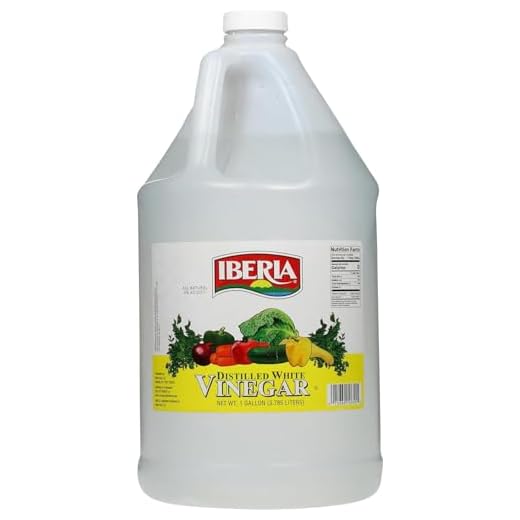
After the baking soda rests overnight, introduce a natural acid. Iberia All Natural Distilled White Vinegar is an excellent choice. Made from pure distilled white vinegar with no artificial additives, it acts as a powerful multi-purpose cleaner for tough household messes. The one-gallon jug provides ample liquid for high-volume cleaning. Pour the white vinegar into a spray bottle and lightly mist it directly over the dried baking soda paste. The ingredients will fizz and bubble as they react, loosening the remaining baked-on grime from the metal surfaces. Let the bubbling mixture sit for five minutes to release the stubborn dirt.
Iberia Distilled White Vinegar (1 Gallon)
Wiping Down and Final Touches
Use a damp sponge or microfiber cloth to wipe away the foamy mixture, burnt food, and grease. Rinse your cloth frequently in a bucket of warm water to avoid spreading the dirty paste. Use a plastic scraper or stiff brush on any stubborn spots until all gritty residue is gone from the walls and floor. Give the interior one final wipe down with a clean damp cloth to remove any remaining baking soda, which can leave a white chalky film when dry. Slide the washed oven racks back into place and leave the oven door open for an hour to air dry completely.
Alkaline Powders
When selecting a natural abrasive, look for pure baking soda free of harsh chemicals. An alkaline powder is necessary to break down the tough carbon bonds found in burnt food. It must provide gentle abrasion to scrub away heavy-duty grease without damaging the oven interior.
Natural Acids
A natural acid is required to reactivate the alkaline paste. Choose pure distilled white vinegar that contains no artificial additives. The acid should create a fizzing chemical reaction when sprayed over baking soda to loosen baked-on grime from metal surfaces effectively.
Final Thoughts
Cleaning your oven with baking soda and vinegar removes tough grease without harsh chemicals. Gather your pantry staples, mix your cleaning paste, and coat your oven interior tonight to wake up to a spotless appliance tomorrow.
Frequently Asked Questions
Can I use this natural cleaning method on a self-cleaning oven?
Yes, baking soda and vinegar work on self-cleaning ovens. Avoid the high-heat self-cleaning cycle, as extreme heat produces smoke and odors. Always check your manufacturer manual before applying cleaning paste.
How often should I clean my oven naturally?
Clean your oven every three to six months based on cooking frequency. Wiping up spills immediately after the oven cools prevents heavy grease buildup and stretches the time between deep overnight cleanings.
Will vinegar leave a strong smell in my oven?
The vinegar smell dissipates quickly as the oven dries. Leave the oven door open for an hour after cleaning to air out any remaining odor before your next baking session.