Standard air purifiers will never eliminate lingering smells from cooking, pets, or smoke. Plugging a basic machine into the wall and waiting for the air to clear always leads to disappointment because standard filtration systems lack the capability to trap odor molecules. Understanding the exact mechanics of air filtration ensures you buy the right equipment for your home.
The confusion usually centers around the popular HEPA filter standard. Shoppers see high efficiency ratings and assume the machine will catch everything in the air. The reality of odor removal requires a different type of technology entirely. We will explain exactly how different filters work and what you actually need to remove smells. You will learn how to identify the right equipment for your specific indoor air quality needs.
The Limits of Standard HEPA Filters
High Efficiency Particulate Air filters do exactly what their name suggests. They trap physical particles floating through your living space. This includes common irritants like dust, pollen, and pet dander. The dense paper or fiberglass material acts like a microscopic net to catch these solid objects. Standard HEPA filters do an excellent job of cleaning the air of physical debris.
Odors do not exist as solid particles. Smells are actually volatile organic compounds and gases that easily pass right through a standard particulate net. A basic HEPA filter cannot trap these microscopic gas molecules. If your primary goal is removing the smell of burnt dinner or a wet dog, a standalone HEPA unit will disappoint you. You need a machine equipped with specific odor-absorbing materials.
Why Activated Carbon is Essential for Odors
To actually remove smells from your home, you need a filter medium that traps gases. Activated carbon is the most common and effective material for this job. The carbon is treated with oxygen to open up millions of tiny pores between the carbon atoms. These pores absorb odorous gases and chemical vapors as they pass through the machine. The more carbon a filter contains, the better it will perform at neutralizing bad smells.
Some machines combine multiple filtration methods to handle both particles and smells at the same time. The Austin Air HealthMate Plus Air Purifier features a four-stage filtration system that includes integrated activated carbon and zeolite. This combination helps with asthma, allergies, and pet sensitivities by removing common allergens. It covers large rooms up to 1500 square feet while running quietly for general use. The unit also offers up to five years of filter life to keep maintenance low.
Destroying Pollutants and Chemical Smells
Some modern air purifiers take a different approach to handling airborne odors and chemicals. Instead of just trapping gases in a carbon filter, they use specialized technology to break down the molecular structure of the pollutants. This process destroys volatile organic compounds and other microscopic threats completely. Breaking down these elements prevents them from ever re-entering your indoor air. This method works exceptionally well for stubborn chemical smells and smoke.
The Molekule Air Mini+ uses multi-layer protection to destroy mold, bacteria, wildfire smoke, and volatile organic compounds. This FDA-cleared device specifically covers small spaces up to 250 square feet. It fits easily in bedrooms, nurseries, and home offices where clean air is a priority. The machine features an auto-protect mode that detects and reacts to PM2.5 levels automatically. This smart adaptive control adjusts the fan speed based on the current air quality in the room.
Smart Features for Continuous Odor Control
Managing indoor odors often requires constant monitoring and adjustment. Smells can appear suddenly when you start cooking or when a pet enters the room. Smart air purifiers use built-in sensors to detect changes in air quality in real time. When the sensors pick up an increase in airborne pollutants, the machine automatically increases its fan speed. This immediate response helps clear the air before smells have a chance to settle into your furniture.
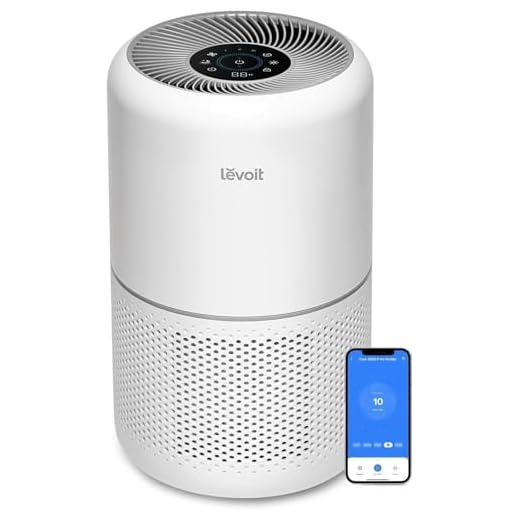
The LEVOIT Core 300S-P offers an Auto Mode that senses air quality and adjusts the fan speed accordingly. You can simply set it and forget it while the machine works for you, even during sleep. This AHAM Verifide unit delivers proven performance with specific Clean Air Delivery Rate ratings. You can control the device anywhere using the smart WiFi connection or by asking Alexa or Google Assistant. For the best performance, the manufacturer recommends using genuine official replacement filters made specifically for the unit.
Levoit Core 300S-P Smart Air Purifier
Final Thoughts
Standard HEPA filters cannot solve household odor problems. Check your air purifier’s specifications and upgrade to a unit with a heavy activated carbon filter or pollutant-destroying technology to permanently eliminate smells.
Frequently Asked Questions
Do HEPA filters remove pet odors?
A standard HEPA filter only traps physical pet dander and hair. To remove the actual smell of a pet, the purifier must also have an activated carbon filter.
How does activated carbon work?
Activated carbon contains millions of microscopic pores that trap gas molecules. As odorous air passes through the filter, the smells become trapped inside these pores.
How often should I replace an odor filter?
Carbon filters typically need replacement every three to six months depending on usage. Once the carbon pores are full of trapped gases, the filter can no longer absorb new odors.


