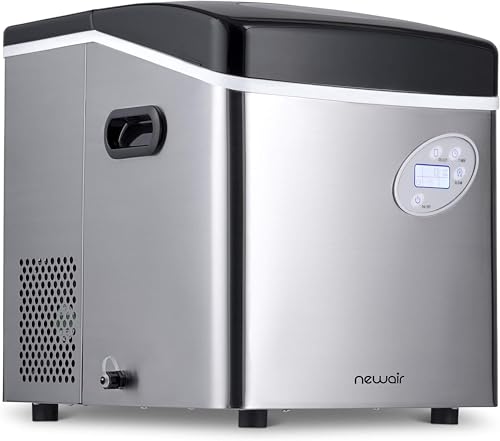
You rely on your countertop appliance to keep your drinks cold during hot afternoons and busy gatherings. It can be incredibly frustrating when you hear the machine running but see an empty basket. A sudden halt in production usually points to a few common culprits that you can resolve at home. When facing a Portable Ice Maker Not Making Ice? Try These Easy Fixes to get things moving again. Taking a few minutes to troubleshoot can save you a trip to the appliance repair shop.
This guide covers the most frequent reasons your machine might stop working and how to address them. We will walk through checking your water reservoir and inspecting the internal sensors. You will also learn how mineral buildup affects performance and how to clear it out. Sometimes a simple reset or a thorough cleaning is all it takes to restore normal operation. By following these steps, you can quickly identify the problem and enjoy cold beverages again.
Check the Water Supply and Sensors
The most obvious reason your machine stops working is a lack of water in the reservoir. Sometimes the water line gets an air bubble that prevents the pump from pulling liquid into the freezing tray. You should start by emptying the tank completely and refilling it with fresh water. Make sure the unit sits on a completely level surface so the water pools correctly over the intake valve. A slight tilt can trick the machine into thinking the tank is empty.
Many modern units rely on small infrared sensors to detect when the ice basket is full. If these sensors get splashed with hard water, they can develop a cloudy film. This film tricks the machine into halting production because it falsely reads a full basket. You can wipe these sensors down with a soft cloth dipped in white vinegar. Drying them thoroughly afterward usually clears the error and allows the freezing cycle to resume.
Descale and Clean the Internal Components
Hard water is the biggest enemy of any small kitchen appliance that heats or freezes liquid. Calcium and magnesium deposits slowly coat the internal tubing and the metal freezing prongs. This scale buildup acts as an insulator that prevents the prongs from getting cold enough to form solid cubes. It can also clog the tiny water lines that feed the upper tray. Regular maintenance is the only way to prevent these minerals from permanently damaging the water pump.
You can clear out this stubborn buildup using a dedicated cleaning solution. The flowcheer Ice Maker Cleaner Tablets dissolve quickly to help loosen and rinse away internal grime. Regular use of these tablets helps slow the accumulation of scale and reduces mineral interference inside the machine. You simply dissolve one tablet in the reservoir for easy maintenance. This process supports high-quality ice production and keeps your machine running smoothly.
Flowcheer Ice Maker Cleaner Tablets (24-Count)

Inspect the Cooling Fan and Compressor
Countertop ice makers rely on a small compressor and a cooling fan to extract heat from the water. These components generate a significant amount of warm air that needs to escape the housing. If you push the machine too close to a wall, the hot air gets trapped around the intake vents. The compressor will eventually overheat and trigger a safety shutoff to prevent electrical damage. You should always leave at least six inches of clearance on all sides of the appliance.
Dust and pet hair can also clog the exterior vents over time. A blocked vent forces the internal fan to work harder while moving less air. You can use a vacuum cleaner with a brush attachment to gently clear away any exterior debris. Listening to the machine can also give you clues about the fan health. A loud grinding noise usually indicates a failing fan motor that requires professional repair.
Consider a Replacement for Persistent Issues
Sometimes a machine simply reaches the end of its mechanical lifespan despite your best maintenance efforts. Compressors eventually lose their refrigerant charge and water pumps burn out after years of daily use. Repairing these specific internal components often costs more than buying a brand new unit. You might notice the cubes getting smaller and softer right before the machine fails completely. Recognizing these signs helps you prepare for a replacement before you host your next party.
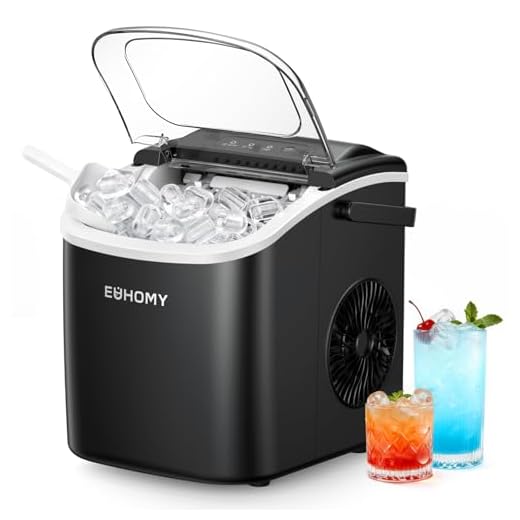
Upgrading to a new model can provide faster freezing times and better features. The EUHOMY Countertop Ice Maker Machine produces its first batch of fresh bullet ice in just six minutes. It features an advanced infrared sensor with an indicator that flashes to remind you when the basket is full. The compact 13-pound unit includes a sturdy handle for easy transport around your kitchen or patio. It also offers a self-cleaning function and a large see-through window for simple operation.
Euhomy Countertop Ice Maker
Upgrading to a Different Ice Style
Replacing a broken machine gives you the opportunity to switch up the type of ice you consume. Standard bullet cubes are great for coolers, but many people prefer softer ice for daily drinks. Pellet ice absorbs the flavor of your beverage and is much easier to chew. These specialized machines use an auger system to scrape and compress ice flakes into small nuggets. This mechanical difference requires a slightly larger footprint on your kitchen counter.
The Silonn Nugget Ice Maker Countertop produces up to 33 pounds of chewable nugget ice per day. This style is excellent for smoothies, cocktails, and sodas. The unit features a quiet cooling process that makes it less intrusive in open living spaces. A removable cover makes it easy to reach every corner during the self-cleaning cycle. Measuring 11.3 inches wide and 12.68 inches tall, it remains compact enough to fit right on your countertop.
Silonn Nugget Ice Maker

Final Thoughts
A malfunctioning ice maker does not always mean you need to throw the appliance away. Checking the water lines and cleaning the sensors can often resolve the most common freezing issues. Regular descaling will keep the internal components free of mineral buildup and extend the life of the machine. If all else fails, upgrading to a newer model ensures you always have fresh ice ready for your drinks.
Frequently Asked Questions
How often should I clean my portable ice maker?
You should perform a deep clean and descale your machine every three to six months. If you have hard water, you might need to clean it every month to prevent mineral buildup. Regular wiping of the interior basket should happen weekly.
Why is my ice maker producing very small cubes?
Small cubes usually indicate that the water temperature in the reservoir is too warm. They can also result from a clogged water filter or scale buildup on the freezing prongs. Moving the machine to a cooler room and running a descaling cycle often fixes this issue.
Can I leave my portable ice maker on all the time?
Most countertop models are safe to leave running continuously. They will automatically stop making ice when the basket is full and resume when the ice melts or is removed. However, turning the machine off when not in use can save electricity and reduce wear on the compressor.