You poured your first cup at 7:00 AM. Now it is 10:30 AM and you want another. That remaining dark liquid sitting in your coffee maker looks tempting, but you know the taste might be terrible. Old coffee sitting on a hot plate turns bitter, sludgy, and acidic fast. Glass pots continually cook the brew from the bottom up.
The exact amount of time your coffee stays fresh depends entirely on your equipment. Glass carafes sitting on heating elements destroy flavor profiles in under an hour. Thermal stainless steel carafes trap heat without an active burner and keep things drinkable for much longer. Knowing the difference saves you from forcing down an awful cup of burnt sludge.
Temperature decay and oxygen are the main enemies of brewed coffee. The moment hot water hits your grounds, chemical compounds begin breaking down. Managing those two factors dictates exactly how long that leftover batch remains appetizing.
The One Hour Rule For Glass Carafes On Warming Plates
Most standard drip machines use a glass carafe resting on an active hot plate. This heating element usually operates around 160 to 180 degrees Fahrenheit. Leaving your coffee on this burner cooks the liquid continuously. The heat evaporates the water content and concentrates the bitter oils left behind. You have exactly one hour before the chemical structure changes so much that the coffee becomes undrinkable.
Turn the hot plate off immediately if you plan to drink the rest later. A burner left on for two hours creates a burnt, sour liquid that upsets your stomach. Many modern machines feature an auto-shutoff mechanism set to 120 minutes for safety reasons. Do not wait for that automatic timer to save your brew. Pour what you need and kill the power right away.
Thermal Carafes Hold Drinkable Coffee Up To Six Hours
A double-walled stainless steel thermal carafe changes the entire timeline. These containers feature a vacuum layer between the inner and outer walls that traps heat naturally. There is no active hot plate cooking your brew. The coffee simply rests in an insulated environment. You can expect a thermal carafe to keep your morning batch hot and fresh-tasting for four to six hours.
The temperature will slowly drop from 180 degrees to about 140 degrees over a four-hour window. This gradual cooling process slows down the degradation of flavor compounds. You keep the smooth taste of the original brew without the harsh acidity caused by continuous heating. Always pre-heat your thermal carafe with boiling water for five minutes before brewing to maximize this heat retention.

How Oxidation Ruins Your Morning Brew Over Time
Oxygen degrades the flavor of coffee from the second it finishes brewing. This process is called oxidation. It is the exact same chemical reaction that causes a sliced apple to turn brown on your counter. A carafe sitting open allows ambient air to mix with the aromatic oils in your drink. Those delicate floral and fruity notes vanish rapidly as oxygen attacks the liquid.
A half-empty carafe contains more air than coffee. That large volume of trapped oxygen accelerates the staling process significantly. Within two hours, oxidation strips away the complex flavors and leaves behind a flat, woody taste. Keeping the lid firmly closed helps, but the empty space inside the container still works against you. Moving smaller amounts to a sealed travel mug minimizes this exposure.
The Impact Of Temperature Loss On Flavor Profiles
Human taste buds perceive flavors differently at various temperatures. Hot coffee masks bitterness and highlights sweet, acidic notes. The ideal drinking temperature falls between 130 and 150 degrees Fahrenheit. When coffee drops to room temperature, your tongue picks up entirely different compounds. The beverage suddenly tastes highly acidic and aggressively bitter. The actual chemical makeup changed, but your perception of those chemicals shifted too.
Cold coffee is not inherently bad, but accidentally lukewarm coffee rarely tastes good. If the temperature in your carafe falls below 120 degrees, the pleasant aromatics evaporate completely. You are left tasting the heavier, astringent plant matter from the bean. This is why a cup forgotten on your desk for three hours tastes terrible. Maintaining a high temperature blocks those harsh flavors from dominating the profile.
Reheating Coffee Creates A Bitter And Burnt Taste
Putting a cold cup of morning brew into the microwave seems like an easy fix. This method actually ruins whatever flavor remains in the liquid. Microwaves heat water molecules rapidly and unevenly. This violent heating process destroys chlorogenic acids and turns them into caffeic acid. Caffeic acid tastes notoriously sour and bitter on the human palate.
Heating up an old pot on the stove yields similarly bad results. Reapplying intense heat to already extracted oils causes them to scorch immediately. You essentially brew the coffee a second time without any fresh grounds. If your carafe has gone completely cold, pouring it down the sink is the best option. Brewing a fresh half-pot takes five minutes and tastes infinitely better than a reheated cup.
Transferring Leftovers To An Airtight Thermos Extends Life
You do not have to leave excess coffee sitting in the glass pot. Pouring the leftover liquid directly into an insulated thermos stops the staling process in its tracks. A high-quality travel mug limits oxygen exposure and maintains a steady 150-degree temperature. You stop the evaporation process and trap the aromatic oils inside a tiny, sealed environment.
Fill the thermos all the way to the top to leave as little room for air as possible. A container with just two inches of coffee and six inches of air will still oxidize quickly. Match the size of your storage container to the amount of leftover brew. A properly sealed sixteen-ounce thermos keeps your coffee tasting freshly made well into the late afternoon.
Storing Leftover Brew In The Fridge For Iced Coffee
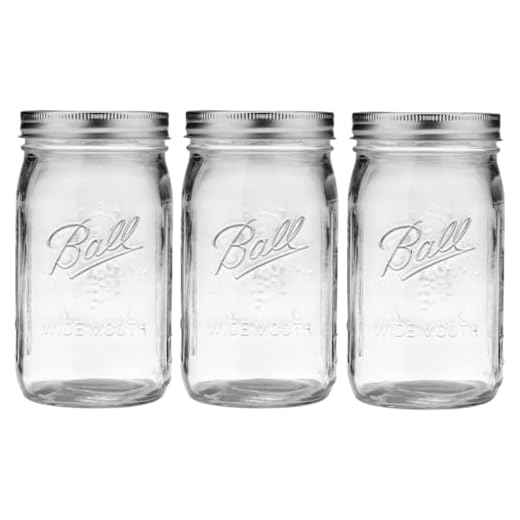
Good coffee does not need to go to waste just because the carafe went cold. You can intentionally cool the remaining liquid to create iced coffee for the next day. Pour the room-temperature brew into a glass mason jar and seal it tightly. Place that jar directly into the refrigerator. Rapid cooling stops the breakdown of acids and preserves a decent flavor profile.
Refrigerated coffee stays highly drinkable for up to three days. It will not possess the bright nuances of a fresh hot cup, but it works perfectly over ice with a splash of milk. Do not put a warm glass carafe directly into the fridge. The sudden temperature shock causes the glass to shatter. Always let the brew hit room temperature before moving it to cold storage.
Quick Tips
- Pre-warm your thermal carafe by filling it with hot tap water for three minutes before starting the brew cycle.
- Turn off the hot plate switch the moment your glass carafe finishes filling to prevent scorched oils.
- Pour leftover morning coffee into ice cube trays and freeze them to cool down future iced coffees without watering them down.
- Wash your carafe daily with warm water and soap to remove rancid oils that stick to the glass and ruin fresh batches.
- Keep your coffee maker away from direct sunlight since UV rays accelerate the breakdown of flavor compounds in glass pots.
Frequently Asked Questions
Fresh coffee degrades the minute it finishes brewing. Glass carafes on hot plates give you about an hour of prime drinking time before the liquid turns to bitter sludge. Thermal carafes stretch that window to six hours by blocking oxygen and retaining heat naturally.
Stop letting your coffee maker slowly cook your morning batch. Turn off the heating element, pour the excess into an insulated thermos, or save it in the fridge for tomorrow. Managing temperature and air exposure guarantees your second cup tastes just as good as your first.

