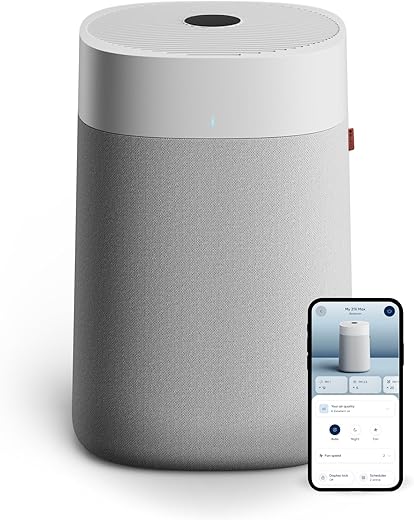
A HEPA filter loses up to 50% of its efficiency once the pleats become saturated with particulate matter. You cannot vacuum or wash a true HEPA filter to bring it back to life. If you run an air purifier 24/7, that saturation point hits much faster than the manufacturer’s standard one-year estimate. Relying strictly on the calendar means you are likely breathing unfiltered air for months. Here is how to track actual filter degradation based on your environment, run time, and the specific pollutants in your home.
Understanding Air Purifier Filters
Most modern air purifiers use a multi-stage system: a washable pre-filter for pet hair, an activated carbon layer for odors, and a true HEPA core for microscopic particles. The Levoit Core300-P and Coway Airmega AP-1512HH both rely on this exact setup. The pre-filter and carbon layers degrade at different rates than the HEPA core. Carbon saturates quickly—often within three months in a kitchen or smoking household—while the HEPA filter might last a full year. You must track these stages independently to maintain optimal airflow and purification.
Signs It’s Time to Change Your Filter
Do not wait for the red replacement light to turn on. Those indicators usually operate on a basic timer, not a physical sensor measuring airflow. Instead, check the exhaust draft. If the fan sounds like it is straining on the highest setting but the output breeze feels weak, the filter media is clogged. You can also inspect the pleats directly. A fresh filter is stark white. Once it turns dark gray and you can no longer see the bottom of the folds, the media is fully saturated.
Recommended Filter Replacement Frequency
Manufacturer guidelines assume you run the machine on an auto setting in an average home. Under those conditions, the Levoit Core300-P requires a new filter every six to eight months, while the Coway Airmega AP-1512HH lasts roughly a year. However, running your unit continuously on high speed cuts that lifespan in half. Wildfire smoke, heavy pet dander, or recent home renovations will also blind a HEPA filter in a matter of weeks. Check the filter manually every 90 days to establish a baseline for your specific environment.
Core 300-RF Replacement Filter 2-Pack

Extending the Life of Your Air Purifier Filter
You can double the lifespan of your expensive HEPA core by aggressively maintaining the pre-filter. Vacuum the mesh screen on your unit every two weeks using a brush attachment. For models like the Dyson TP10 Purifier Cool, wipe down the outer intake vents with a damp microfiber cloth to prevent dust buildup from restricting the initial airflow. Keep the purifier at least 18 inches away from walls and furniture. Restricted intake forces the fan motor to work harder and pulls heavy dust directly into a concentrated section of the filter.
Svoko 21000Pa Cordless Handheld Car Vacuum

🎯 Key Takeaways
- HEPA filters lose efficiency when saturated and cannot be washed.
- Carbon odor filters degrade faster (3 months) than HEPA cores (6-12 months).
- Filter replacement lights use basic timers, not actual airflow sensors.
- Vacuum the pre-filter every two weeks to double the HEPA core’s lifespan.
- Continuous high-speed operation cuts manufacturer lifespan estimates in half.
Recommended Products
Based on my experience with this topic, here are products that can help:
Final Thoughts
Pull your current filter out right now and check the pleats. If it is dark gray or the fan sounds strained, order a replacement immediately. Set a recurring calendar reminder to vacuum the pre-filter every two weeks.
Coway Airmega AP-1512HH Replacement Filter Set