Your air purifier runs quietly in the corner, pulling dog hair, cooking smoke, and seasonal pollen out of your living room. Then the red filter light flashes on. You pull off the front panel and find a thick layer of gray fuzz choking the intake. A clogged air purifier works harder, burns more electricity, and completely fails at filtering the air. Cleaning the filters takes about fifteen minutes and immediately restores the machine’s airflow.
Not all filters survive a trip to the sink. Washing a true HEPA filter destroys the tightly woven fiberglass paper. Water turns the trapped dirt into a permanent mud layer that blocks airflow entirely. You need to identify exactly which parts of your machine are washable and which parts require a vacuum instead.
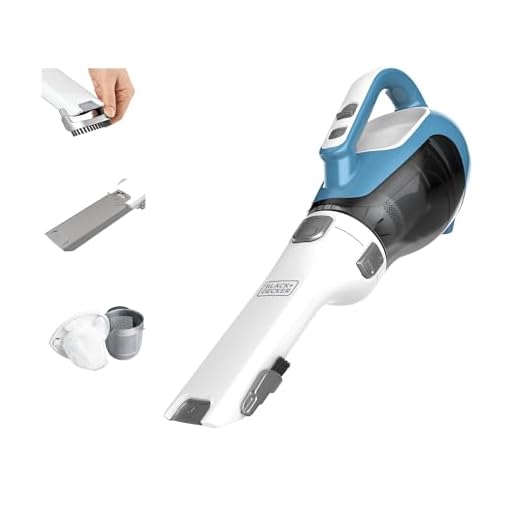
Grab a vacuum with a brush attachment, a damp microfiber cloth, and a mild dish soap like Dawn. Take the machine outside or lay a trash bag on your floor to catch the loose dust. Unplug the power cord from the wall before you start pulling panels off.
Identify Your Specific Filter Types First
Most modern air purifiers use a three-stage filtration system. You will usually find a plastic or mesh pre-filter sitting right behind the front cover. Behind that sits a black honeycomb-style activated carbon filter. The final layer is the thick, white HEPA filter. You must separate these layers because each one requires a completely different cleaning method. Check your owner’s manual if the layers are glued or framed together into a single block. Single-block filters usually cannot be washed.
The pre-filter catches the large particles like pet fur and dust bunnies. The carbon filter absorbs odors and chemical gases from cooking or new furniture. The HEPA filter traps the microscopic stuff like pollen and mold spores. Treat the white HEPA paper like delicate tissue paper. You can easily tear or crush the pleats if you handle it roughly. Keep your fingers on the cardboard or plastic frame when pulling the filters out of the housing.
Vacuum and Wash the Mesh Pre-Filter
The pre-filter takes the heaviest beating and needs cleaning every two to four weeks. Pull the mesh screen away from the main unit. Take your vacuum hose with the soft brush attachment and run it vertically along the mesh. This removes the thick blanket of surface dust. Taking this step prevents massive dust clumps from clogging your sink drain later. You can do this quick vacuuming step right in your living room.
Take the pre-filter to your kitchen sink after vacuuming. Run warm water over the mesh to flush out sticky residue. Mix one drop of mild dish soap into a bowl of warm water and gently scrub the mesh with a soft sponge. Rinse the filter thoroughly under cold running water until the suds disappear. Shake the excess water off the plastic frame. Leave the pre-filter leaning against a wall to air dry for at least 24 hours.
Vacuum the Activated Carbon Odor Filter
Activated carbon filters look like black sponges or plastic grids filled with tiny charcoal pellets. Water ruins these filters by filling the microscopic pores in the carbon. You cannot wash them. Take your vacuum brush attachment and gently sweep it across the surface of the carbon layer. Keep the suction on a low setting to avoid ripping the thin fabric casing. Vacuuming removes the surface dust so the carbon can continue absorbing household odors.
Some carbon filters develop a sour smell after absorbing heavy moisture or cooking grease over several months. You can place the dry carbon filter outside in direct sunlight for three to four hours. The heat and UV light help bake out trapped moisture and mild odors. This trick buys you a few extra weeks of use. You still need to buy a replacement carbon filter every three to six months for proper odor control.
Handle the HEPA Filter With Extreme Care
True HEPA filters consist of densely packed fiberglass or synthetic fibers. Water instantly ruins the structural integrity of these fibers. You cannot wash a standard HEPA filter under any circumstances. Washing creates a solid brick of wet dust that permanently blocks air from passing through the machine. Read the label on the side of the filter frame carefully. Unless the manufacturer explicitly prints the word washable on the plastic, keep water far away from it.
You can extend the life of a non-washable HEPA filter by lightly vacuuming the intake side. Use a soft brush attachment and hover it about half an inch above the paper pleats. Do not press the bristles directly into the paper. The fibers break easily under pressure. Vacuuming pulls out the loose surface debris but leaves the embedded microscopic particles behind. Plan to throw the HEPA filter away and buy a new one every six to twelve months.
Clean the Washable HEPA Filter Varieties
A small handful of brands sell machines with genuinely washable HEPA-style filters. Check your manual to confirm you own one of these specific models. Take the washable filter to a large sink or shower floor. Run lukewarm water straight through the filter in the opposite direction of the normal airflow. The water pressure flushes the trapped dirt out the front side. Never use soap, harsh detergents, or stiff scrub brushes on the delicate filter material.
Drying a washable HEPA filter takes significantly more time than drying a thin plastic pre-filter. Set the wet filter outside in a shaded area or place it near an open window. Let it dry completely for 48 to 72 hours. Even a tiny amount of leftover moisture inside the dense pleats will grow black mold once you turn the machine back on. The filter must feel bone dry to the touch before you reinstall it.
Wipe Down the Air Purifier Housing
The empty plastic housing holds hidden dust that blows right back into your clean filters. Grab a microfiber cloth and dampen it with plain water. Wring the cloth out tightly until it is barely moist. Wipe down the interior walls, the fan blades if you can reach them, and the plastic grill on the front panel. Pay special attention to the air intake vents on the sides or bottom of the machine.
Look for the small sensor hatch on the side of the unit. This little laser sensor tells the machine how dirty your room air is. Open the hatch and use a dry cotton swab to gently wipe the glass lens inside. A dusty sensor forces the air purifier to run on high speed constantly. Let the entire plastic housing air dry for twenty minutes before you slide the clean filters back into their slots.

Troubleshoot Lingering Odors After Cleaning
Sometimes an air purifier still blows out a sour or dusty smell immediately after a deep clean. This happens when bacteria grows inside the deep plastic crevices of the fan housing. Unplug the machine and mix equal parts white vinegar and water in a spray bottle. Spray the solution onto a clean cloth until damp. Wipe down the empty internal chamber and let the vinegar neutralize the trapped bacteria.
Leave the machine open and empty in a well-ventilated room for a few hours. The vinegar smell dissipates quickly and takes the sour mold odor with it. If the machine continues to smell bad after cleaning the housing, your HEPA filter is compromised. The paper pleats have trapped moisture and are growing hidden mold. Throw the old filter away immediately.
Reassemble and Reset the Filter Light
Slide your clean, perfectly dry filters back into the machine in the exact reverse order you removed them. The thick HEPA filter goes in first. The carbon filter sits in the middle. The washable mesh pre-filter snaps into the front position. Make sure the arrows printed on the filter frames point inward toward the fan. Putting a filter in backward drastically reduces the airflow and puts unnecessary strain on the motor.
Snap the front plastic cover back into place and plug the power cord into the wall. The machine will likely still show a red or flashing filter warning light. Press and hold the filter reset button for three to five seconds until the machine beeps. The warning light will turn off or change back to blue. Your air purifier is now ready to protect your indoor air quality for another month.
Quick Tips
- Schedule your pre-filter washing on the first day of every month to build a consistent maintenance habit.
- Keep a spare HEPA filter in your closet so you have an immediate replacement ready when vacuuming no longer restores the airflow.
- Use a permanent marker to write the current date on the cardboard edge of your new filter before installing it.
- Vacuum the floor and baseboards immediately surrounding your air purifier twice a week to reduce the amount of dust the machine sucks up.
- Avoid running ultrasonic humidifiers near your air purifier because the white mineral dust instantly clogs HEPA filters.
Frequently Asked Questions
Regular maintenance keeps your air purifier running quietly and efficiently. Washing the pre-filter every few weeks stops large clumps of pet hair and heavy dust from suffocating the more expensive interior filters. Handling the delicate HEPA layer with care saves you money on premature replacements.
Take ten minutes right now to pull the front cover off your machine. Check the condition of your mesh screen and grab your vacuum if you see a gray blanket of fuzz. Your lungs and your electricity bill will thank you.