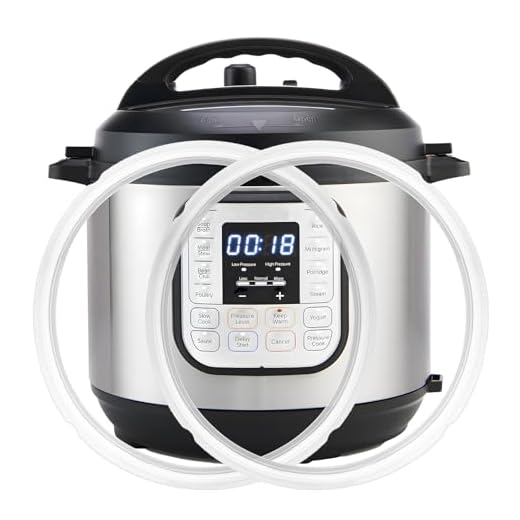
Your Instant Pot sealing ring smells exactly like the garlic chicken you made three days ago. Now you want to make a batch of morning oatmeal. Nobody wants garlic-flavored oatmeal. Pressure cookers trap food odors, heavy grease, and hard water stains quickly because of the intense sealed heat.
Most parts of this appliance can go straight into the dishwasher, but a proper deep cleaning requires a bit more physical effort. The heating element, the tricky locking rim, and that stubborn silicone ring need specific attention. You have to keep these components clear of debris to keep the machine running safely and holding pressure correctly.
Grab some distilled white vinegar, plain baking soda, and a damp microfiber cloth. You will break down the crusty food around the locking rim and pull the lingering spices out of the lid components. The entire process takes about fifteen minutes of active scrubbing.
Scrubbing the Inner Stainless Steel Pot
The stainless steel inner pot takes the brunt of your daily cooking. You might notice a cloudy rainbow discoloration on the bottom after boiling starchy foods or pasta. This happens naturally with stainless steel when exposed to high heat and minerals in your tap water. Wash the pot with hot water and standard dish soap. If you have stuck-on rice or burnt sauce, fill the pot with warm water and a squirt of soap. Let it sit for thirty minutes before scrubbing with a non-scratch sponge.
Treat those stubborn rainbow stains with standard white vinegar. Pour half a cup of distilled white vinegar into the empty pot. Swirl it around the bottom and let it sit for five minutes. The acidity breaks down the mineral deposits instantly. Rinse the pot with warm water and dry it completely with a microfiber cloth. You can also run the inner pot through the bottom rack of your dishwasher for daily maintenance.
Removing Odors from the Silicone Sealing Ring
Silicone acts exactly like a sponge for strong smells. A ring that smells like spicy chili will completely ruin a batch of vanilla yogurt. Pull the ring out of the lid gently. Wash it in warm, soapy water after every single use to prevent daily buildup. For heavy odors, you need a steam bath. Pour two cups of white vinegar and two cups of water into your inner pot. Drop the smelly sealing ring directly into the liquid.
Lock the lid in place and set the pressure release valve to the sealing position. Run the Instant Pot on the manual setting at high pressure for exactly three minutes. Let the pressure release naturally for ten minutes. Open the lid and carefully remove the hot ring using metal tongs. The vinegar steam forces the trapped food oils out of the silicone pores. Let the ring air dry completely on a baking rack before putting it back into the lid.
Disassembling and Washing the Lid
The heavy lid contains several moving parts that trap grease from pressurized steam. Remove the sealing ring first. Pull off the small metal anti-block shield covering the exhaust valve on the inside of the lid. You just push it slightly to the side and pull up. Wash this small shield in warm soapy water. Pop off the float valve silicone cap and slide the small metal float valve out of its hole.
Clean the entire lid shell by hand in the sink using a sponge and warm soapy water. Never submerge the lid in water completely because water gets trapped inside the internal cavity. Wash the top and bottom surfaces thoroughly. Pay close attention to the area around the steam release valve where sticky residue collects. Rinse the lid under a running faucet and prop it up vertically on a dish towel to drain and air dry.
Clearing the Outer Lip and Moat
The grooved moat around the top of the outer base catches drips, stray crumbs, and spilled liquids. This tight space is notoriously difficult to clean with a standard kitchen sponge. Wrap a damp microfiber cloth around the handle of a spoon or a wooden skewer. Run the cloth-covered stick all the way around the rim to scoop out the dried food bits. Repeat this process until the cloth comes back completely clean.
Treat sticky spills in the moat with a basic homemade cleaning solution. Mix one tablespoon of baking soda with two tablespoons of warm water to create a thick paste. Apply the paste to the dirty spots in the groove using a soft toothbrush. Scrub the area gently to break down the hardened food. Wipe away the paste with a damp cloth and dry the rim thoroughly to prevent rust spots from forming on the metal.
Wiping Down the Outer Base and Heating Element
The outer cooker base houses the electrical wiring and the main heating plate. You must unplug the appliance before touching this section. Wipe the exterior stainless steel housing with a damp microfiber cloth to remove fingerprints and grease spatters. Spray a mild glass cleaner directly onto your cloth rather than the machine to tackle stubborn smudges. Buff the exterior dry following the natural grain of the metal to keep it looking sharp.
Inspect the inside of the base where the heating element sits. Wipe the sides and the flat circular heating plate with a completely dry cloth to remove loose crumbs or dust. If you find dried liquid on the heating element, dampen a cloth slightly with white vinegar and rub the spot carefully. The heating element must be absolutely bone dry before you place the inner pot back inside or plug the machine into the wall.
Emptying and Cleaning the Condensation Collector
The small plastic cup attached to the back of your Instant Pot is the condensation collector. It catches starchy water that drips down from the lid when you open it. Many people forget this part exists until it overflows or grows mold. Slide the plastic cup out of its bracket. Dump any standing water down the drain immediately.
Wash the collector cup in the sink with hot water and dish soap. If the plastic looks cloudy or smells musty, soak it in a mixture of half water and half white vinegar for twenty minutes. Scrub the inside corners with a small bottle brush or an old toothbrush. Rinse it well and dry it with a towel before sliding it back onto the exterior bracket. Check this cup after every single cooking session.
Unclogging the Steam Release Valve
The steam release valve handles all the pressurized vapor escaping from your meals. Starchy foods like potatoes or oatmeal spit foam up through this valve and cause sticky blockages. Pull the release valve straight up to detach it from the top of the lid. Wash it thoroughly in warm soapy water. Look through the holes to verify no food particles are blocking the internal vents.
Clean the metal pipe attached to the lid where the valve sits. Dip a cotton swab in warm water and run it around the inside and outside of the metal pipe. Remove any sticky residue that might prevent the valve from seating properly. Pop the clean, dry valve back onto the pipe. Push down firmly until you feel it click into place. The valve should sit loosely and spin freely when seated correctly.
Storing the Appliance Properly
Correct storage keeps your appliance smelling fresh between uses. Never store the machine with the lid locked tightly in place. A sealed lid traps moisture inside the pot and creates a breeding ground for bacteria and funky odors. You will open the pot a week later and get hit with a wall of stale air. Keep the inner pot completely dry before packing the unit away.
Flip the lid upside down and rest it entirely on top of the outer base. This position protects the delicate valves on top of the lid while allowing air to circulate freely around the silicone sealing ring. You can also sprinkle a tablespoon of baking soda directly into the dry inner pot before storing it. The baking soda acts as a passive odor absorber while the machine sits in your cabinet.
Quick Tips
- Keep two separate sealing rings on hand. Use one exclusively for savory dishes like roasts and curries, and reserve the other strictly for neutral or sweet foods like yogurt and rice.
- Clean the float valve with a pipe cleaner. Thread a standard craft pipe cleaner through the tiny hole in the lid to push out stubborn grease buildup.
- Deodorize the inner pot with baking soda. Sprinkle a thick layer of dry baking soda over the bottom of the wet pot and let it sit overnight to absorb tough stains.
- Buy a set of foam paintbrushes from the hardware store. The angled foam tips fit perfectly into the narrow rim of the cooker base to sweep out loose crumbs.
- Wash the silicone ring in the top rack of your dishwasher. The high heat of the wash cycle helps strip away greasy residue better than regular hand washing.
Frequently Asked Questions
A clean Instant Pot cooks your food evenly and keeps unwanted flavors out of your meals. Regular maintenance of the sealing ring and the valves prevents dangerous pressure buildups and extends the life of the appliance. You just need a few basic pantry items to break down the grease and mineral deposits.
Take ten minutes right now to check your condensation collector and pull out the sealing ring for a quick wash. Set up a simple reminder on your phone to do a deep vinegar steam clean once a month. Your next batch of rice will taste perfectly fresh.
Recommended Products