Grease coats the top of your cabinets and strange smells waft from the refrigerator crisper drawers. You wipe the counters every night but a film still builds up on the stovetop. Daily maintenance only goes so far before baked on splatters and hidden crumbs require a serious intervention. A proper deep clean means tackling the grime hiding in plain sight.
Plan to spend about 3 to 4 hours on this project. You need hot water at around 120 degrees Fahrenheit to melt away grease and a good degreasing dish soap. Grab a stack of clean microfiber cloths and an old toothbrush. Work underneath heavy appliances and inside the oven cavity where burnt food turns into solid carbon.
Moving top to bottom keeps you from doing double the work. Dust and dirty cleaning spray fall downward. You scrub the ceiling fixtures first and mop the floor last. This prevents you from wiping a pristine counter only to drop ceiling fan dust right back onto it.
Clear the Clutter and Empty the Space
Move everything off your countertops before you spray a single drop of cleaner. Take the toaster, the coffee maker, and the knife block to the dining room table. A bare kitchen reveals exactly what you need to scrub. You cannot effectively clean around a pile of mail or a giant stand mixer. Taking 5 minutes to relocate these items saves you half an hour of frustration later. It also protects your electrical appliances from getting wet while you wipe down the stone or tile underneath them.
Empty the sink and load the dishwasher. Start the cycle now so those dishes run while you tackle the rest of the room. Toss any stray trash and gather your cleaning supplies into a single bucket. Having your dish soap, white vinegar, baking soda, and microfiber cloths in one spot stops you from walking back and forth to the utility closet. Keep a trash bag nearby to throw away expired food as you move through the space.
Wash the High Surfaces and Light Fixtures
Grab a sturdy step stool and look at the tops of your upper cabinets. Grease mixes with household dust up here to create a sticky film. Mix 2 tablespoons of grease fighting dish soap into 1 gallon of very hot water. Dip a sponge into the mixture and scrub the cabinet tops. The hot water melts the grease while the soap traps it. Wipe the area completely dry with a clean cotton rag.
Take down any glass pendants or light fixture covers. Wash them in the sink with warm water and a few drops of soap. Dry them completely with a lint free cloth before putting them back up. Dust the blades of your ceiling fan with a pillowcase. Slide the pillowcase over each blade and pull it back to trap the dust inside the fabric. This method stops heavy dust clumps from raining down onto your floor.

Scrub the Oven and Stovetop
Remove the oven racks and place them in your bathtub. Fill the tub with enough hot water to cover the racks and drop in half a cup of powder dishwasher detergent. Let them soak for 2 hours. Inside the oven cavity, spread a paste made of 1 cup of baking soda and 3 tablespoons of water. Coat the greasy spots heavily and let it sit for at least an hour.
Spray white vinegar over the baking soda paste. The mixture will bubble up and lift the baked carbon. Wipe it all away with a damp sponge. For the stovetop, remove the heavy metal grates and soak them in the sink with hot soapy water. Use a razor blade scraper held at a 45 degree angle to gently remove burnt crust from glass cooktops without scratching the delicate surface. Wipe everything down with a wet microfiber cloth and dry the area completely to prevent streaks.
Sanitize the Microwave and Small Appliances
Your microwave likely harbors dried tomato sauce and heavy soup splatters. Fill a microwave safe bowl with 1 cup of water and 2 tablespoons of white vinegar. Heat it on high for exactly 4 minutes. Leave the door closed for another 5 minutes so the steam softens the hardened food bits. Open the door and easily wipe the interior clean with a paper towel. The vinegar cuts the grease and neutralizes lingering odors.
Wipe down the exterior of your small appliances before bringing them back into the kitchen. Use a damp cloth to remove flour dust from your stand mixer and coffee drips from your espresso machine. Pull out the crumb tray from your toaster and wash it in the sink. Shake the toaster upside down over the trash can to release trapped burnt flakes. Dry all parts thoroughly before plugging anything back into the wall.
Defrost and Disinfect the Refrigerator
Empty the refrigerator completely. Toss out expired condiments, wilted lettuce, and leftovers older than 4 days. Pull out the crisper drawers and wash them in the sink with lukewarm water. Using hot water on cold plastic can instantly crack the bins. Wipe the interior shelves with a mixture of 1 quart of warm water and 2 tablespoons of baking soda. This kills odors without leaving a harsh chemical smell behind.
Pull the refrigerator away from the wall to access the back coils. Use the brush attachment on your vacuum to pull pet hair and dust off the condenser coils. A dirty coil forces the compressor to work harder and shortens the lifespan of the appliance. Sweep up the dust bunnies on the floor before pushing the fridge back into place. Clean the front door and handle with warm soapy water to remove sticky fingerprints.
Clean the Cabinet Fronts and Countertops
Cabinet doors collect drips and fingerprints near the handles. Spray a wood safe cleaner or a mild dish soap solution directly onto a microfiber cloth. Wiping top to bottom pulls the dirt away from the surface. Pay special attention to the cabinets directly under the sink and stove. These doors take the brunt of spilled liquids and frying oils. Dry the wood immediately with a separate cloth to prevent permanent water damage.
Countertops require specific cleaners depending on the material. Use plain soapy water or a dedicated stone cleaner for granite and quartz. Acidic liquids like vinegar will quickly etch the sealant on natural stone. Spray the counters generously and let the liquid sit for 3 minutes to soften dried syrup or coffee rings. Scrub the tight seam where the countertop meets the backsplash using an old toothbrush. Wipe the entire surface down until it feels perfectly smooth.

Deep Clean the Sink and Mop the Floors
The kitchen sink holds more bacteria than a bathroom trash can. Sprinkle baking soda generously over the damp stainless steel or porcelain basin. Scrub the sink with a sponge, moving in circles to lift food stains and water spots. Rinse the powder away with hot water. Slice a lemon in half and run it through the garbage disposal with the cold water running to eliminate funky drain smells.
Sweep the floor thoroughly to pick up loose crumbs and dust. Fill your mop bucket with 1 gallon of hot water and a quarter cup of floor cleaner. Start in the corner farthest from the doorway and work your way out. Change the mop water as soon as it turns murky gray. Let the floor air dry completely before walking on it. Open a window to speed up the drying process.
Quick Tips
- Keep a plastic putty knife in your cleaning caddy to gently scrape dried food off delicate surfaces without scratching them.
- Line the top of your kitchen cabinets with wax paper after cleaning to catch future grease and dust.
- Run a cycle in your empty dishwasher with 1 cup of white vinegar in a bowl on the top rack to clear hard water scale.
- Place a few drops of mineral oil on a rag and buff your stainless steel appliances to remove fingerprints and resist new smudges.
- Wash your reusable sponges and scrub brushes in the top rack of the dishwasher every week to kill lingering bacteria.
Frequently Asked Questions
A deep cleaned kitchen makes cooking less stressful and keeps pests out of your home. Taking the time to scrub the forgotten spaces means your daily wipe downs become much faster. You removed the heavy layers of grease and built up carbon that regular everyday cleaning sprays leave behind.
Grab your freshly washed small appliances and place them back on your gleaming countertops. Light a candle or crack a window to let fresh air circulate through the room. Enjoy your spotless kitchen and order takeout tonight so you do not have to dirty a single pan.
Recommended Products
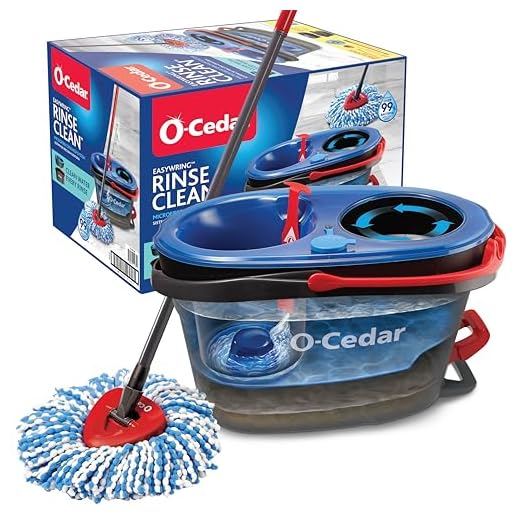
O-Cedar RinseClean Spin Mop System