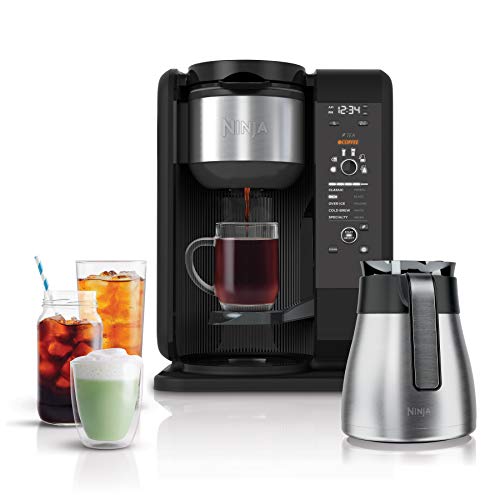
Your morning coffee tastes like bitter plastic and your machine makes a sputtering noise. The water flow has slowed to a sad trickle. Hard water minerals like calcium and magnesium have taken over the internal plumbing of your brewer. When white chalky scale coats the heating element, water cannot reach the optimal brewing temperature of 192 degrees Fahrenheit.
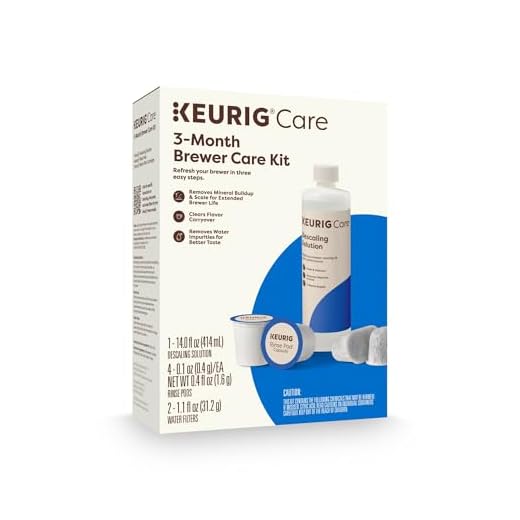
Descaling breaks down this mineral buildup using an acidic solution. White vinegar works perfectly as an alternative to expensive commercial descaling liquids. You need about four cups of undiluted white vinegar and a large ceramic mug. Do not use a glass or thin plastic cup because the water dispenses extremely hot.
The entire process takes about 45 minutes from start to finish. You spend most of that time letting the machine sit so the acid can eat away the mineral crust. Grab a large pitcher of fresh filtered water to rinse the machine out when the heavy lifting is done.
Prep the Machine and Gather Your Supplies
Start by completely emptying your coffee maker. Remove the water reservoir and dump out any old water sitting in the tank. Take out the water filter if your specific model uses one. Charcoal filters absorb the vinegar and ruin the whole cleaning process. Lift the handle and check the pod holder. Take out any forgotten coffee pods hiding inside. Wash the reservoir with warm water and a few drops of mild dish soap.
Rinse the tank completely so no soap bubbles remain. You need equal parts of your acidic cleaner and water. For most standard machines, pour 16 ounces of plain white vinegar directly into the empty reservoir. Add 16 ounces of fresh water right on top of it. Place a large ceramic mug on the drip tray. The mug needs to hold at least 12 ounces of liquid to prevent hot water spills on your counter.
Run the Initial Cleansing Brew Cycles
Power the machine on and wait for the heating element to warm up. Select the largest cup size available on your control panel. Press the brew button without inserting a coffee pod. The machine pulls the vinegar solution through the internal heating coils. The liquid dispensing into your mug will smell strongly of hot vinegar. Discard the hot liquid down the sink drain immediately.
Place the empty mug back onto the drip tray. Repeat this exact brewing cycle again. Choose the largest cup setting and press brew. Keep running these cycles until the add water light turns on. The machine forces the acid through the narrow needles and internal tubes. This action physically strips the white chalky calcium deposits away from the plastic and metal surfaces. Stop pressing brew the second the machine asks for more water.
Let the Acidic Solution Soak Internally
This waiting period does all the hard work for you. Leave the machine powered on so the internal heating element stays warm. The hot vinegar solution is currently trapped inside the internal plumbing. Let the coffee maker sit completely untouched for exactly 30 minutes. The heated acid dissolves the stubborn scale buildup clinging to the heating element. Skipping this step means the calcium stays permanently attached to the metal.
You can clean the removable parts while you wait for the soak to finish. Pull the drip tray off the base and wash it in the sink. Scrub the needle area with a clean toothbrush to dislodge loose coffee grounds. The 30 minutes pass quickly if you tackle these small maintenance tasks. Dump any remaining vinegar solution out of the water reservoir when the timer goes off.
Flush the System with Fresh Water
Wash the empty water reservoir in the sink one more time. Fill it to the maximum fill line with fresh filtered water. Put the reservoir back on the base of the machine. Place your large ceramic mug back on the drip tray. You are about to start the most tedious part of the job. You must flush out every drop of vinegar so your next cup of coffee tastes normal.
Select the largest brew size and press the brew button. Dump the hot water down the drain. Repeat this process at least 12 times. You will need to refill the water reservoir at least once during this flushing phase. Taste the water coming out of the machine around the tenth cycle. Keep running fresh water through the system if you detect even a hint of sour vinegar flavor.
Clean the Entry and Exit Needles
Mineral scale often clogs the sharp metal needles that puncture your coffee pods. Turn the machine off and unplug it from the wall outlet. Lift the main handle to expose the pod holder assembly. Look closely at the top needle for trapped coffee grounds or white scale. Grab a clean metal paperclip and straighten one end. Insert the metal wire into the needle holes to scrape out the debris.
The exit needle sits inside the bottom pod holder. You can pull the entire plastic pod holder assembly out of the machine for easier access. Push the paperclip through the bottom hole to clear out dried coffee oils and scale. Rinse the plastic piece under warm water before snapping it back into place. Clogged needles cause short cups and high pressure buildup during the brewing cycle.
Reset the Descale Light on Newer Models
Many modern smart brewers have a dedicated light that refuses to turn off after cleaning. The machine does not actually know you cleaned it unless you follow a specific button sequence. Turn the power off but keep the machine plugged into the wall. Press and hold both the eight ounce and ten ounce buttons at the exact same time. Hold them down for about three seconds until the descale light turns solid.
Press the brew button to run a cleansing brew. The light will finally turn off once the cycle finishes. Different models use slightly different button combinations. Check the manual for your specific machine if holding the cup size buttons fails. Getting the light to turn off resets the internal counter so the machine can accurately track the next three months of use.
Quick Tips
- Descale your machine every three months or immediately when the brew cycle becomes noticeably slower than usual.
- Use bottled spring water instead of tap water for brewing to dramatically reduce the amount of mineral scale buildup inside the machine.
- Soak a cotton swab in white vinegar and wipe the sharp entry needle to remove stubborn dried coffee oils and loose grounds.
- Replace the charcoal water filter cartridge with a brand new one immediately after finishing the final fresh water flushing cycle.
- Brew one final test cup using a cheap or unwanted coffee pod to verify the machine has zero lingering vinegar taste.
Frequently Asked Questions
Regular maintenance keeps your coffee tasting fresh and extends the life of the machine. Mineral scale happens naturally whenever you heat water. You cannot prevent it completely. A simple vinegar wash every 90 days stops the calcium from ruining the internal plumbing.
Plug your machine back in and run a quick test cup with fresh coffee. The water will flow faster and the temperature will hit that perfect 192 degree mark. Set a calendar reminder right now for exactly three months from today.