You just chopped raw chicken for dinner. Now you need to slice strawberries for dessert. Your cutting board is sitting right there, coated in invisible Salmonella and Campylobacter. Washing it with cold water and a quick scrub leaves pathogens alive and well. Foodborne illness sends hundreds of thousands of people to the hospital every year. Your kitchen prep surface is ground zero for that cross-contamination.
Different materials require completely different cleaning methods. Wood fibers can trap bacteria deep inside if they get waterlogged. Plastic boards get deep knife scores that act as perfect little breeding grounds for pathogens. You need a specific approach for every type of board in your kitchen to stop bacteria from multiplying.
The exact temperature of your water and the specific concentration of your sanitizing liquid dictate whether your board is safe to use. You have to treat your prep tools like a professional kitchen does. A quick rinse with dish soap is fine for an apple. Raw meat requires heavy-duty intervention.
Scrub Away Organic Matter Immediately
Raw meat juices and vegetable starches dry fast. Once they harden on your board, they form a biofilm that protects bacteria from your cleaning agents. You must scrape off all visible food bits the second you finish chopping. Use a bench scraper or a dull knife to physically push the debris into the sink or trash. Hot water sets meat proteins. Always start your initial rinse with cool running water to flush away the surface-level slime before you reach for the sponge.
Grab a stiff-bristled brush. Sponge scrubbers often harbor more bacteria than the board itself. Apply a generous squirt of standard dish soap and scrub the surface vigorously for at least 30 seconds. Pay extra attention to the center of the board where most of your knife strikes land. The friction of the bristles physically breaks the bonds between the bacteria and the board surface. Rinse the soapy slurry away with warm water.
Sanitize Plastic Boards with Bleach Water
Plastic cutting boards require chemical sanitizing after handling raw poultry, pork, or beef. Ordinary dish soap removes grease but leaves microscopic pathogens hiding inside the knife gouges. Mix exactly one tablespoon of unscented liquid chlorine bleach into one gallon of room-temperature water. Pour this mixture over the board or submerge the board completely if your sink is large enough. The water temperature matters here. Hot water degrades the active ingredients in bleach and makes it useless.
Let the bleach solution sit on the plastic surface for exactly three minutes. This contact time kills 99.9 percent of dangerous kitchen bacteria. Rinse the board thoroughly with hot water from the tap to wash away the chemical residue. Stand the board upright in a dish rack to air dry. Towel drying introduces new lint and bacteria to your freshly sanitized surface. Air drying starves any remaining microbes of the moisture they need to survive.
Disinfect Wood Boards with Vinegar and Hydrogen Peroxide
Bleach destroys wood fibers. You need a gentler approach to sanitize your maple, walnut, or teak butcher blocks. Keep two clean spray bottles under your sink. Fill the first with standard 3 percent hydrogen peroxide. Fill the second with undiluted white vinegar. These two common pantry items pack serious antibacterial power when used back to back. Never mix them together in the same bottle. The combination creates peracetic acid, which causes severe irritation to your skin and lungs.
Spray the entire surface of the wood board with the vinegar first. Let it sit for five minutes. Wipe the board down with a clean paper towel. Next, spray the board with the hydrogen peroxide. You will see it foam up as it reacts with the remaining organic matter. Let the peroxide bubble for another five minutes. Wipe the board completely dry with a fresh paper towel. Prop the board on its edge to let air circulate around all sides.
Neutralize Garlic and Onion Odors with Lemon
A sanitary board can still smell terrible. Wood and plastic easily absorb the pungent oils from garlic, onions, and raw fish. You want to extract those oils before they penetrate deeper into the material. Sprinkle a thick layer of coarse kosher salt over the dry board. Cut a fresh lemon in half. Press the cut side of the lemon into the salt and scrub the board in tight circles. Squeeze the lemon slightly as you work to release the acidic juice.
The salt acts as an abrasive to lift stains out of knife marks. The citric acid from the lemon juice neutralizes the alkaline compounds responsible for lingering fish and garlic odors. Let the salty lemon paste sit on the board for 10 minutes. Use a bench scraper to sweep the gray, dirty paste into the sink. Rinse the board lightly with warm water and stand it up to dry. Your board will smell neutral and look visibly brighter.
Condition Wood Boards to Block Bacteria
Dry wood splits and cracks. Those microscopic fissures become permanent homes for Salmonella. You have to keep your wood boards saturated with oil so water and meat juices cannot penetrate the surface. Buy a bottle of food-grade mineral oil from the pharmacy section. Cooking oils like olive or canola go rancid at room temperature and will make your board smell like old grease. Mineral oil is shelf-stable and completely safe for food contact.
Pour a quarter cup of mineral oil directly onto the dry, clean wood. Rub the oil into the grain using a lint-free cloth or a folded paper towel. Coat the top, the bottom, and all four edges. Let the oil soak in overnight. The wood will drink up the oil and plump the fibers tight. Wipe off any excess oil the next morning. Repeat this process once a month or whenever the wood looks pale and thirsty.

Erase Stains from Plastic Boards with Baking Soda
Carrots, beets, and turmeric leave bright orange and red stains on white plastic boards. While a stained board might be technically clean, it looks terrible. You can lift those stubborn pigments out with a simple paste. Mix three tablespoons of baking soda with one tablespoon of water to form a thick, spreadable frosting. Smear this paste directly over the stained areas. Baking soda provides a gentle abrasive action and naturally pulls colors out of the plastic.
Let the baking soda paste dry completely on the board. This usually takes about 30 minutes. Once the paste turns hard and chalky, scrub it away with a stiff brush and hot water. The stains will wash down the drain with the powder. If a shadow of the stain remains, set the wet board out in direct sunlight for a few hours. The UV rays from the sun will bleach the remaining pigment naturally without damaging the plastic.
Know When to Throw Your Board Away
No amount of scrubbing or bleaching will save a board with deep, ragged knife scars. Bacteria hide in the bottom of those grooves where your sponge and scrub brush cannot reach. Run your fingernail across the surface of your plastic or wood board. If your nail catches in the grooves, the board is too damaged to clean effectively. You risk foodborne illness every time you use a heavily scored board for raw meat.
Plastic boards are relatively cheap. Replace them every 12 to 18 months if you cook daily. Wood boards cost more but can last a lifetime if you maintain them. Take a deeply scarred wood board to a local woodworker or use a palm sander to take off the top layer. Sanding the board down to fresh, smooth wood completely resets the surface. Once you sand it smooth, flood it with mineral oil before using it again.
Quick Tips
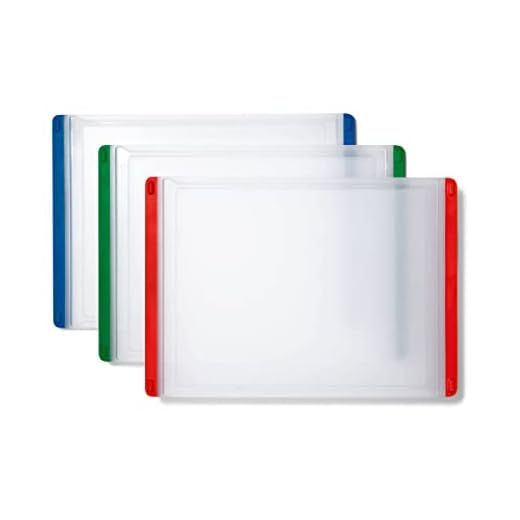
- Assign a specific color to your meat prep. Buy a red plastic board strictly for raw poultry and beef to stop cross-contamination with your raw vegetables.
- Never put a wood cutting board in the dishwasher. The prolonged heat and standing water will warp the wood and split the glue joints in a single cycle.
- Stand your boards vertically in a wire rack to dry. Storing a damp board flat on the counter traps moisture underneath and promotes mold growth.
- Sanitize your cleaning brush by soaking the bristles in the same bleach water mixture you use for your plastic boards.
- Place a damp paper towel flat on the counter under your board before chopping. This prevents the board from slipping and causing a serious knife injury.
Frequently Asked Questions
Keeping your cutting boards sanitary protects your family from hidden foodborne illnesses. You just need the right sequence of scraping, washing, and chemical sanitizing to kill dangerous pathogens. Treat your plastic boards with diluted bleach and save the vinegar and peroxide for your expensive wood blocks.
Go check your current cutting boards right now. Run your hand over the surface to check for deep knife gouges. Throw away any damaged plastic boards immediately, oil your dry wood boards, and mix up a fresh batch of sanitizer before you cook your next meal.
Recommended Products

![Big Picture Box [VHS] Review: A Cinematic Can Opening Experience](https://m.media-amazon.com/images/I/41NQCPB9W6L._SL500_.jpg)

