You spend an hour moving chairs, sweeping the baseboards, and pushing a wet mop around the kitchen, only to end up with a hazy film on your tile. Sticky footprints appear the moment the floor dries. The wrong cleaning solution mixed with a dirty mop head turns your weekly chore into a frustrating loop of wasted effort.
Cleaning tile requires specific water temperatures and the exact ratio of detergent. Hot water around 120 degrees Fahrenheit melts away kitchen grease. A nearly dry mop prevents muddy water from settling into your porous grout lines. Using too much commercial soap traps household dust instead of removing it, leaving a cloudy finish on high-gloss porcelain.
We will walk through the exact steps to get your tile floors completely clean. You will learn the right way to dry sweep, how to mix a streak-free cleaning solution in your bucket, and the specific figure-eight mopping technique to keep your floor looking fresh.
Clear the Floor and Remove Loose Debris First
You cannot mop over dust bunnies and expect clean floors. Wet dirt just turns into mud and pushes directly into your grout lines. Grab a broom with synthetic bristles or a vacuum cleaner set to the hard floor setting. Sweep or vacuum every inch of the tile. Pay close attention to the baseboards, the corners of your kitchen island, and under the cabinets.
A dry microfiber dust mop works perfectly for picking up fine pet hair and dust that a regular broom leaves behind. Run the dust mop in long overlapping strokes across the room. Pick up the collected pile with a dustpan. Skipping this dry cleaning step guarantees a hazy, gritty finish on your freshly mopped tile.
Mix a Low-Residue Cleaning Solution
Heavy commercial floor cleaners often leave a sticky film on ceramic and porcelain tile. You only need a simple, mild solution to break down everyday grime. Fill your mop bucket with one gallon of hot water. The water needs to be hot enough to break down kitchen grease quickly, ideally around 110 to 120 degrees Fahrenheit.
Add just one teaspoon of mild liquid dish soap to the hot water. Swirl the water gently to mix the soap without creating a mountain of suds. Too much soap is the primary reason tile floors look cloudy after drying. If your floors are exceptionally greasy, add one quarter cup of white vinegar to the bucket to help cut through the heavy buildup.
Choose the Right Mop for Tile Surfaces
Sponge mops are the worst tool you can use on a tile floor. The flat sponge pushes dirty water straight into the recessed grout lines. You need a spin mop or a traditional string mop with microfiber strands. Microfiber grabs onto dirt particles and pulls them away from the textured surface of your tile.
Keep at least two clean mop heads in your rotation. A mop head becomes completely saturated with dirt after cleaning about 300 square feet of flooring. Swapping to a fresh, dry mop head halfway through the job prevents you from smearing dirty water across your kitchen. Toss the dirty mop heads in your washing machine on a hot cycle immediately after use.
Use the Two-Bucket Mopping Method
Dipping a dirty mop back into your clean soapy water ruins your cleaning solution in minutes. Grab a second bucket and fill it entirely with plain hot water. This second bucket becomes your designated rinse station. You will dip your mop into the soapy water, wring it out, and mop a small section of the floor.
Before you go back for more soapy water, plunge the dirty mop into the plain hot water bucket. Wring out the dirty water completely. Now you can dip your freshly rinsed mop back into the soapy cleaning bucket. Your cleaning solution stays crystal clear for the entire job, and your floors dry without a trace of dirty residue.
Wring Out the Mop Almost Completely Dry
Soaking wet tile takes forever to dry and ruins your grout. Grout is highly porous and absorbs dirty water like a sponge. When the water evaporates, the dirt stays behind, turning your light grout dark and dingy. You must wring out your mop until it is barely damp to the touch before it touches the floor.
If you use a spin mop, pump the pedal five or six times to extract the maximum amount of water. For a string mop, twist the wringer hard and press out all the excess liquid. The mop should glide over the tile and leave behind a very thin layer of moisture that air dries in under three minutes.
Work in Small Sections Toward the Exit
Start at the farthest corner of the room and map out your exit route. You never want to mop yourself into a corner and have to walk across wet tile to leave. Mentally divide the floor into small grids measuring about three feet by three feet. Focus entirely on one small section before moving to the next.
Move the mop in a figure-eight pattern. This overlapping motion traps dirt inside the mop strands rather than just pushing it forward into a pile. Apply firm downward pressure when you pass over sticky spots or highly textured tiles. Once a section is clean, move backward and start the next grid until you reach the doorway.
Dry the Floor Quickly to Prevent Water Spots
Letting your tile air dry slowly can leave hard water spots and mineral deposits on darker glazed tiles. Speed up the drying process to get a flawless finish. Turn on your ceiling fans and open a nearby window to increase air circulation in the room.
If you want a perfectly polished look, attach a dry microfiber cloth to a flat mop handle. Run this dry pad over the slightly damp floor immediately after mopping. The dry microfiber absorbs any leftover moisture and buffs the ceramic or porcelain tile to a brilliant, streak-free shine.
Quick Tips
- Never use bleach or ammonia-based cleaners on colored grout because they will strip the color and weaken the protective seal over time.
- Change your rinse water bucket as soon as it turns cloudy or gray to stop redepositing dirt onto the tile.
- Scrub stubborn grout stains with a stiff nylon brush and a paste of baking soda and water before you begin the full mopping process.
- Wash your microfiber mop heads without fabric softener, as the waxy coating from the softener ruins the microfiber’s ability to absorb water.
- Sweep high-traffic areas like the kitchen and entryway daily to prevent loose sand and grit from scratching your tile glaze.
Frequently Asked Questions
Mopping tile floors requires a light touch with the cleaning solution and a strict water management routine. Keeping your mop damp rather than soaked protects your grout from turning dark and dirty. The two-bucket method stops you from pushing the same muddy water around your kitchen.
Grab your broom and clear away the loose dirt. Fill your buckets with hot water and a single drop of soap to get started. Stick to the figure-eight motion and your tile will dry perfectly clear.
Recommended Products

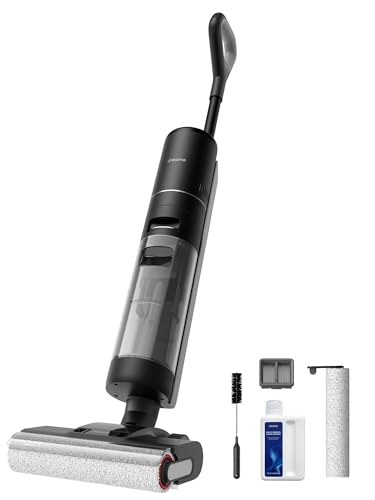
Turbo Microfiber Mop System