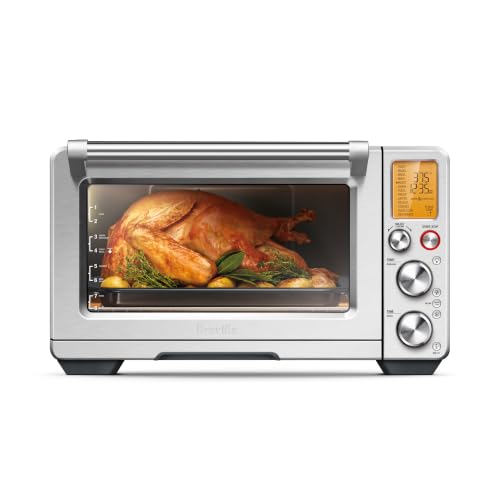
You pull a frozen pizza out of the box and stare at the three different dials on your new countertop appliance. Your stomach is growling. You just want melted cheese and a crispy crust, but choosing between bake, broil, and toast feels like a guessing game. Guess wrong, and you end up with a hockey puck or a soggy mess in the middle of your kitchen.
Toaster ovens are incredibly capable small appliances. They use specific combinations of top and bottom heating elements to cook your food faster than a full-sized range. You just need to translate what the dials actually mean. Your manual might be buried in a kitchen drawer, but learning these basic temperature rules and rack positions takes only a few minutes.
Decoding the Primary Heating Functions
Your toaster oven relies on two sets of metal heating elements. You will find one set on the ceiling of the unit and another set on the floor. The dial you turn tells the machine which elements to fire up and how intensely to run them. The bake setting turns on both the top and bottom elements to surround your food with steady heat. Most recipes call for baking between 325 degrees and 400 degrees Fahrenheit. This mimics your regular kitchen oven perfectly.
The broil setting is entirely different. It blasts intense, direct heat only from the top elements. Think of it as an upside-down grill. Broiling runs hot, usually fixed right around 500 degrees Fahrenheit. You use this setting when you need to melt cheese on a tuna melt or blister the skin on a bell pepper in under five minutes. The toast setting also uses both top and bottom elements, but it cranks them to maximum heat to flash-crisp the outside of your food before the inside dries out.
The Right Way to Toast Bread and Bagels
Toasting is the most common job for this appliance. It is also the easiest to mess up. Put your wire rack in the exact middle position. If you place it too high, the top elements will scorch your bread while the bottom stays soft. Turn your main dial to the toast function. This activates all the heating elements at full blast. Next, you will use the shade dial to set your time. A medium shade usually takes exactly four minutes.
Bagels require a slight adjustment. Many modern units have a dedicated bagel button. This brilliant feature leaves the bottom elements off or on very low heat while running the top elements high. You place your bagel cut-side up on the rack. The inside gets deeply browned and crispy. The bottom crust stays chewy and warm. If your machine lacks this button, just use the regular toast setting but pull the bagel out a minute early to prevent the bottom from getting hard.
Baking Small Batches and Meals
You can bake almost anything in a toaster oven that you would put in a standard range. It excels at roasting a couple of chicken thighs or baking a half-dozen chocolate chip cookies. Start by turning the function dial to bake and setting your temperature. Always preheat the unit. Countertop models heat up fast. You usually only need to wait about five to seven minutes for the oven to reach 350 degrees Fahrenheit.
Space is tight inside the metal box. Your food sits much closer to the heating elements than it would in a regular oven. This proximity causes things to cook faster and brown quicker. Lower your recipe temperature by 25 degrees Fahrenheit. If a frozen dinner box tells you to bake at 400 degrees for twenty minutes, set your dial to 375 degrees instead. Start checking your food at the fifteen-minute mark to prevent burning the outer edges.
Broiling for a Perfect Crisp
Broiling is your best friend for finishing dishes. You slide the wire rack to the highest position available. This puts your food just an inch or two away from the glowing upper rods. Turn the dial to broil and let it heat up for three minutes. Broiling works incredibly fast. A layer of cheddar cheese on an open-faced sandwich will bubble and turn golden brown in about two minutes.
You must watch your food constantly when using this setting. Walk away for sixty seconds, and your dinner will catch fire. Leave the glass door cracked open about an inch if you are broiling meats like a small steak or pork chop. This lets excess moisture escape and prevents the appliance from getting too smoky. Use a heavy-duty metal baking pan covered in aluminum foil to catch grease drips.
Using the Keep Warm and Reheat Settings
The microwave turns leftover pizza into a rubbery disappointment. Your toaster oven fixes this problem entirely. Turn your dial to the reheat setting if your model has one. If it does not, simply use the bake function set to 300 degrees Fahrenheit. Place your cold pizza slices directly on the wire rack. Let them heat for eight to ten minutes. The crust will snap when you bite it, and the toppings will taste fresh out of the pizzeria.
The keep warm function is meant for food that is already cooked hot. It holds the internal temperature of the oven at a very low 160 to 180 degrees Fahrenheit. This is perfect for holding a batch of pancakes while you finish making eggs on the stove. Never use the keep warm setting to actually cook raw food or reheat cold meat. The temperature is too low to kill bacteria and will leave your food unsafe to eat.
Mastering Rack Positions
The position of your wire rack determines how your food cooks. Most units have three slots on the inner walls. The middle slot is your default. You use it for toasting bread, baking frozen meals, and roasting vegetables. It keeps your food equidistant from the top and bottom heat sources. This creates an even bake without burning the bottom of your cookies or the top of your casserole.
The top and bottom slots serve very specific purposes. Move the rack to the highest slot only when you broil. This puts the food right under the intense top heat. Move the rack to the bottom slot when you bake something tall. A mini loaf of banana bread or a small whole chicken needs head clearance. Placing tall items in the middle slot will cause the top crust to burn before the center cooks through.
Cleaning and Safety Practices
Crumbs are the enemy of your appliance. They gather at the bottom of the unit and will eventually start smoking. Every modern model has a removable crumb tray that slides out from the bottom front of the machine. Pull this tray out once a week and dump the debris into the trash. Wash the metal tray in your sink with warm soapy water and dry it completely before sliding it back in.
Be extremely careful around the quartz heating elements. These fragile tubes break easily if you bang them with a metal spatula or scrub them with an abrasive sponge. Unplug the machine completely before you wipe down the interior glass door. Use a damp rag with a little bit of dish soap to cut through grease splatter. Never spray chemical oven cleaners inside the box. The fumes will linger and taint your food the next time you toast a bagel.
Quick Tips
- Cover your baking pan with heavy-duty aluminum foil, but never let the foil touch the walls or the heating elements to avoid fire risks.
- Rotate your baking pan 180 degrees halfway through the cooking time to compensate for the hot spots found in back corners.
- Press the convection button when roasting vegetables to turn on the internal fan and speed up the browning process by 25 percent.
- Use a standalone oven thermometer hanging on the wire rack to check the real temperature, as many built-in dials are off by 10 to 20 degrees.
- Unplug the unit from the wall outlet when you are done cooking to protect the internal circuitry from power surges in your kitchen.
Frequently Asked Questions
Cooking with your countertop appliance gets incredibly easy once you understand what the dials actually control. You control the heat direction. Turn on the bake setting for steady, even cooking, or hit broil to blast intense heat from the top. Remember to lower your recipe temperatures slightly to account for the cramped cooking space.
Stop relying on your microwave to heat up meals that deserve a crispy crust. Start experimenting with your favorite frozen foods and small-batch recipes this week. Keep the crumb tray clean, watch your food closely on high heat, and enjoy the convenience of preheating your oven in just five minutes.