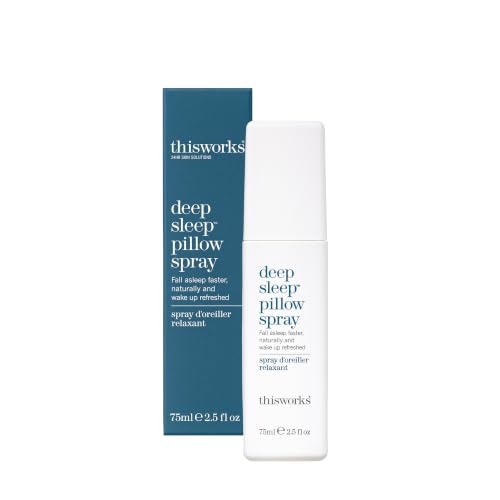
The clock reads 2:14 AM. You stare at the ceiling. Your mind races through tomorrow’s task list while your body feels completely exhausted. You need sleep right now. A linen spray gives your brain a direct physical signal that it is time to shut down. Smelling essential oils like lavender and chamomile slows your nervous system and lowers your resting heart rate by several beats per minute.
You cannot just mist a pillow randomly and expect instant unconsciousness. Fragrance requires strict application methods to work properly. Spraying the bottle too close leaves your pillowcases damp and invites mildew growth. Spraying your bed too early means the scent dissipates long before your head hits the mattress. You need a reliable, repeatable routine.
A strict three-minute prep habit fixes your sleep environment. Hold the bottle at the correct distance, use specific cortisol-lowering botanical extracts, and apply the mist at the exact right moment. Your bed needs proper preparation for a full eight hours of deep rest.
Selecting the Right Sleep Fragrance
Your nose connects directly to the emotional center of your brain. Smelling specific botanical extracts triggers an immediate physical reaction. Lavender remains the standard choice for good reason. Clinical trials show that smelling lavender oil for 10 minutes before bed increases the percentage of deep slow-wave sleep you get. You wake up feeling significantly more rested. Roman chamomile works exceptionally well for racing thoughts. Cedarwood provides a grounding effect that mimics a quiet walk through the woods.
Synthetic perfumes often cause harsh headaches instead of relaxation. Read the ingredient label on the back of your bottle carefully. Buy products made exclusively with pure essential oils and distilled water. A formula containing a 5 percent alcohol blend is ideal for home fabrics. The alcohol acts as a fast-drying carrier. You want the soft scent to linger for roughly four hours. Heavy synthetic chemicals will trap you in an overpowering, artificial cloud all night long.
Washing Your Bedding First
Linen spray cannot mask the smell of stale sweat or dirty sheets. You need a completely clean foundation. Wash your pillowcases and fitted sheets every Sunday in water heated to at least 140 degrees Fahrenheit. This specific temperature kills dust mites and strips away natural body oils. Wash with an unscented, liquid laundry detergent. Scented detergent pods clash heavily with your sleep spray and create a confusing mess of smells.
Dry your sheets completely before putting them back on the mattress. A damp pillowcase trapped under a heavy winter comforter breeds foul bacteria quickly. Throw three wool dryer balls into the machine instead of using scented fabric softener sheets. Wool softens the cotton fabric naturally without leaving a waxy residue behind. That chemical residue actually repels linen spray liquids. Clean, bare fibers absorb the essential oils much faster and hold the fragrance twice as long.
Perfecting Your Spraying Technique
The application method dictates exactly how well the scent performs. Hold the glass bottle exactly 12 inches away from your pillows and blankets. Give the trigger a firm, aggressive squeeze. Weak half-pumps create heavy water droplets that soak heavily into one single spot. A full, fast pump creates a wide, fine mist that settles evenly across the fabric surface. Two sprays per pillow are plenty. Four sprays easily cover a standard queen-size duvet.
Do not bury your face in a wet pillow immediately. You have to let the mist dry. A proper botanical spray takes about 15 minutes to evaporate entirely. The alcohol flashes off into the room air rapidly. The essential oils bind directly to the cotton or linen threads. If you lay down right away, the wet liquid transfers directly to your sensitive skin and hair. This causes unnecessary irritation and wastes the expensive product. Wait exactly a quarter of an hour.
Timing the Mist for Maximum Effect
Timing dictates everything for olfactory sleep triggers. Do not spray your bed in the morning right after making it. Pure essential oils are highly volatile compounds. The smell will vanish completely by 3:00 PM. You want the fragrance peak to align exactly with your actual bedtime. Mist your sheets 15 to 20 minutes before you plan to turn out the bedroom lights. This allows the liquid enough time to dry while keeping the top notes sharp and noticeable.
Build a strict nightly sequence. Spray the pillows, walk into the bathroom, brush your teeth, and wash your face. Return to the bedroom exactly when the harsh alcohol smell fades away. Only the soft botanical notes remain waiting for you. This consistent pattern trains your brain heavily. After two straight weeks of this exact routine, your body starts producing melatonin the second you smell that specific lavender blend. You build a massive psychological association with sleep.
Targeting Specific Areas of the Bed
You do not need to soak the entire mattress from head to toe. Strategic placement saves you money and makes the small bottle last months longer. Aim the fine mist at the top third of your bed only. Focus heavily on the extreme outer edges of your pillowcases. Misting the underside of your flat top sheet works exceptionally well. When you pull the covers back to get into bed, you release a fresh wave of fragrance right into the trapped air.
Keep the spray away from your actual face resting zone. If you sleep mostly on your right side, mist the far left corner of the pillow. Direct physical contact with concentrated essential oils triggers acne breakouts or contact dermatitis on highly sensitive skin. Misting your headboard serves as another smart tactic if it features an upholstered fabric cover. The thick material of a fabric headboard acts like a giant sponge and slowly releases the calming scent over three full days.
Storing Your Spray to Preserve the Scent
Excessive heat and direct sunlight destroy pure essential oils rapidly. Leaving your glass bottle sitting on a sunny windowsill ruins the delicate chemical composition inside. The sweet lavender turns sour and smells exactly like old vinegar within three short weeks. Keep your bottle stored in a cool, pitch-dark place. A bedside table drawer provides the absolute perfect location. The dark space keeps the liquid temperature consistent at around 68 to 72 degrees Fahrenheit all year.
Shake the bottle vigorously before every single application. Oil and water separate naturally while sitting untouched in the drawer. A quick five-second shake mixes everything back into a temporary, cloudy emulsion. Skip this simple step, and you spray pure water for five days straight. On the sixth day, you blast your pillow with straight, burning essential oil from the bottom of the bottle. Tighten the cap securely after use to stop the alcohol from evaporating out of the tiny nozzle opening.
Quick Tips
- Buy amber or cobalt glass bottles to block harmful UV light and prevent the essential oils from degrading quickly over time.
- Test a single spray on a hidden bottom corner of your sheets to check for oil stains before misting the dead center of your bed.
- Keep the bedroom temperature strictly below 68 degrees Fahrenheit to help the fragrance particles linger much longer in the cool air.
- Add ten drops of pure eucalyptus oil to your spray bottle during cold winter months to open your nasal passages for better breathing.
- Wipe down the plastic spray nozzle with a hot, damp cloth weekly to stop sticky oil residue from completely clogging the spray mechanism.
Frequently Asked Questions
A high-quality linen spray bridges the tough gap between a highly stressful day and a deeply restful night. You know exactly how to prep your bed, aim the fine mist, and time the application perfectly. Consistent nightly habits train your brain to power down on command. Grab your bottle, mist those clean pillows from exactly 12 inches away, and let the calming scent do the heavy lifting tonight.
Keep the glass bottle tucked safely away in your nightstand drawer for tomorrow evening. Wash your sheets regularly with plain, unscented detergent to maintain a perfect blank canvas. Your bedroom is fully optimized for proper, uninterrupted physical recovery.