A high-quality pillow spray relies on steam-distilled essential oils—typically lavender, vetiver, or chamomile—to trigger your olfactory system and lower your heart rate before sleep. Synthetic fragrances might smell pleasant, but they lack the volatile compounds necessary to actually induce a parasympathetic nervous system response. If you struggle to wind down after turning off the lights, a targeted aromatherapy mist bridges the gap between a racing mind and deep rest. Here is how to identify a spray that actually works, rather than just masking bedroom odors.
What is a Pillow Spray and How Does it Work?
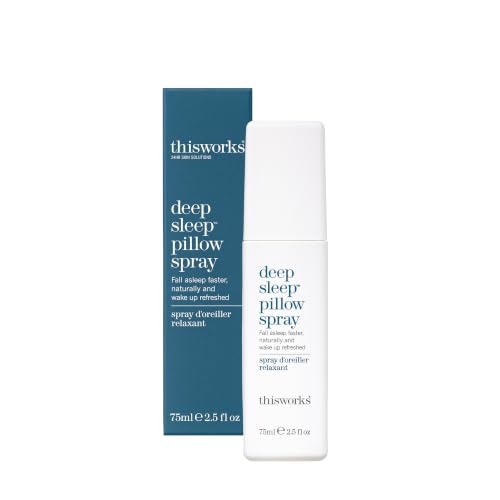
A true pillow spray suspends pure essential oils in a base of water and a natural emulsifier like witch hazel or alcohol. When you mist your linens, the liquid evaporates, leaving behind volatile aromatic compounds. As you breathe, these compounds travel through your olfactory nerve directly to the brain’s amygdala, which regulates emotion and stress. Genuine lavender (Lavandula angustifolia) contains linalool and linalyl acetate, two compounds clinically shown to decrease blood pressure and skin temperature. I rely on the Thisworks Deep Sleep Pillow Spray because it uses a potent, therapeutic-grade lavender blend rather than synthetic perfumes. Two spritzes deliver a concentrated dose that lingers for hours.
Benefits of Using Pillow Sprays
Scent acts as a powerful psychological anchor. By using the same aroma every night, you condition your brain to associate that specific olfactory cue with sleep onset. This classical conditioning cuts down the time it takes to transition from wakefulness to stage one sleep. It also offers a non-pharmacological intervention for mild restlessness. The Aromasong Lavender Pillow Spray provides a heavy dose of pure essential oils sourced directly from Dead Sea minerals and lavender farms, proving you do not need to spend a fortune to get a high-concentration formula.
Check the ingredient label for botanical names rather than generic terms like ‘fragrance’ or ‘parfum,’ which usually indicate synthetic chemicals that offer zero aromatherapeutic benefits. Look for steam-distilled or cold-pressed oils. If you have sensitive skin, verify the carrier liquid; formulas using organic witch hazel are gentler on the face than heavy alcohol bases. The Muse Apothecary Pillow Ritual blends aloe vera with lavender, providing a skin-safe mist that won’t cause breakouts. Always test a single spray on the corner of your pillowcase first to ensure the concentration isn’t overpowering.
Incorporating Pillow Sprays into a Sleep Routine
Apply the spray exactly five minutes before you get into bed. This allows the carrier liquid—usually water or alcohol—to evaporate completely, preventing a damp pillowcase while leaving the aromatic compounds at their peak concentration. Mist from about twelve inches away to ensure an even distribution across the fabric rather than a concentrated wet spot. Pair this olfactory cue with a drop in room temperature and dimmed lights to maximize your body’s natural melatonin production.
🎯 Key Takeaways
- Pillow sprays rely on volatile aromatic compounds to trigger the olfactory system and lower heart rates.
- Genuine essential oils like Lavandula angustifolia contain linalool, which is clinically shown to decrease blood pressure.
- Avoid synthetic “fragrances” or “parfums,” as they lack aromatherapeutic benefits and can irritate the skin.
- Spray your linens from twelve inches away, five minutes before bed, to allow carrier liquids to evaporate.
- Consistent use creates a psychological anchor, conditioning your brain to associate the scent with sleep onset.
Recommended Products
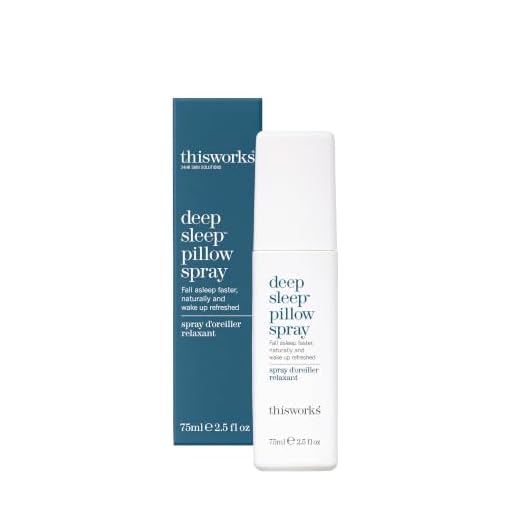
I test sleep accessories regularly. Here are the pillow sprays that deliver genuine aromatherapeutic benefits through high-quality essential oil extraction:
Final Thoughts
A high-quality pillow spray transforms your nightly routine by using genuine olfactory cues to trigger relaxation. Check your current spray for synthetic fragrances, and upgrade to a pure essential oil blend to finally get the rest you need.