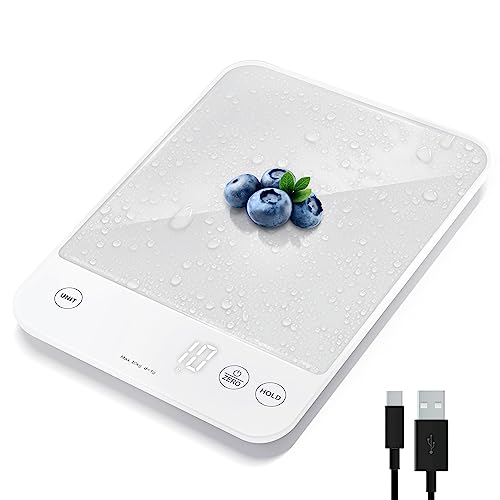
You followed the chocolate chip cookie recipe exactly. You scooped one cup of flour into your measuring cup and leveled off the top. Yet your cookies still turned out like flat, greasy puddles on your baking sheet. The problem is not your oven temperature or your mixing technique. The issue comes down to how you measure your dry ingredients. One cup of scooped all-purpose flour can weigh anywhere from 120 grams to 150 grams depending on how hard you pack it into the cup.
That 30-gram difference ruins your baked goods. A kitchen scale fixes this inconsistency by giving you the exact weight of your ingredients down to the single gram. Measuring cups rely on volume. Volume tells you how much space an ingredient takes up. Weight tells you exactly how much of the ingredient you actually have. Both methods have a place in your kitchen. You just need to know which one to grab based on what you are cooking.
Baking bread requires precision that only a digital scale provides. Making a weeknight stir-fry gives you the freedom to toss in ingredients using whatever cups and spoons you have handy. Knowing when to weigh and when to scoop saves you time. It also prevents countless ruined batches of brownies.
Why Baking Demands a Digital Kitchen Scale
Baking is a strict chemical reaction. Yeast needs a specific ratio of water and flour to rise properly at 72 degrees Fahrenheit. If you measure your bread flour by volume, you might add too much. A heavy hand adds extra dry matter, leaving your dough stiff and dense. A digital scale removes the guesswork. You pour the flour until the screen hits exactly 450 grams. Your hydration levels stay perfectly balanced.
Scales also make cleanup significantly faster. You place your mixing bowl on the scale and press the tare button to zero out the weight. You pour in your flour. You hit tare again. Then you pour in exactly 10 grams of salt. You build your entire dough in one single bowl from start to finish. You completely skip washing five different measuring cups and spoons.
When Measuring Cups Work Perfectly for Cooking
Savory cooking rarely requires gram-level precision. You do not need a scale to measure one cup of diced onions for a pot of soup. Measuring cups work perfectly for tossing together marinades, soups, and casual skillet dinners. If your chili recipe calls for a half-cup of diced bell peppers, an extra ounce of vegetable will not ruin the dish. Volume measurements keep savory cooking fast and fluid.
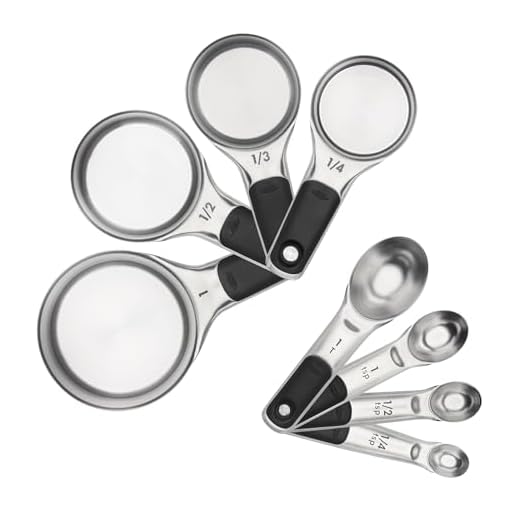
You probably already own a set of standard measuring cups. They are practically indestructible and never run out of battery power in the middle of a recipe. Keep them easily accessible for scooping rice, beans, and grains. One cup of long-grain white rice paired with two cups of water yields perfect results every time. The volume ratio is all you need for basic simmering.
The Problem with Measuring Sticky Ingredients
Peanut butter, honey, and molasses are notoriously frustrating to measure by volume. You scoop a half-cup of honey. Then you spend five minutes scraping the sticky mess out of the measuring cup with a rubber spatula. Half of the ingredient stays stuck to the plastic walls no matter how hard you scrape. Your recipe ends up short on sweetness. You waste expensive ingredients and create a highly frustrating cleanup job.
A kitchen scale solves the sticky ingredient problem entirely. You place your saucepan on the scale and zero it out. You squeeze the honey directly from the bottle into the pan until the scale reads exactly 170 grams. Zero dishes get dirty. Every single drop of honey goes straight into your recipe. This method works beautifully for measuring out peanut butter for cookies or mayonnaise for potato salad.
Converting Volume to Weight for Common Ingredients
Switching from cups to grams means learning a few basic conversions. All-purpose flour is the most important conversion to memorize. One standard cup of properly aerated all-purpose flour weighs exactly 120 grams. Granulated white sugar weighs 200 grams per cup. Brown sugar packed tightly into a measuring cup weighs 213 grams. Knowing these base numbers helps you adapt older recipes that only list volume measurements.
Liquids convert differently based on their density. Water is the easiest liquid to measure. One milliliter of water weighs exactly one gram. One cup of water equals 240 milliliters, which weighs exactly 240 grams. Heavy cream is denser than water. One cup of heavy cream weighs about 240 grams but takes up slightly less physical space. Stick to the scale for liquids when baking cakes or making delicate custards.
How to Measure Dry Ingredients Without a Scale
Sometimes your scale battery dies right as you start a recipe. You can still get decent results with measuring cups if you use the spoon-and-level method. Never scoop your measuring cup directly into the bag of flour. This packs the flour down and adds up to 25 percent more weight. Instead, use a large metal spoon to fluff the flour inside the canister to lighten it up.
Gently spoon the fluffed flour into your measuring cup until it forms a mound over the rim. Do not shake the cup to settle the flour. Take the flat back of a butter knife and scrape it across the top rim of the cup. This knocks off the excess flour and leaves a perfectly flush surface. This method gets you much closer to the standard 120-gram weight for one cup of flour.
Using Liquid Measuring Cups Correctly
Dry measuring cups and liquid measuring cups are not interchangeable. Dry cups allow you to sweep the top level. Liquid cups have a spout and extra headspace above the top measurement line. This prevents you from spilling milk or oil as you carry the cup across your kitchen. If you try to measure one cup of milk in a dry measuring cup, you will inevitably spill it.
To measure liquids accurately by volume, place the clear liquid measuring cup on a flat, stable countertop. Pour your liquid. Bend down so your eyes are exactly level with the measurement line. The top of the liquid will curve slightly at the edges. This curve is called the meniscus. The bottom center of the meniscus should touch your target measurement line exactly.
Coffee Brewing Requires Exact Grams
Brewing a perfect cup of coffee is just like baking. It requires exact ratios. Scooping coffee grounds with a tablespoon yields wildly inconsistent cups of coffee. Light roast beans are denser than dark roast beans. A scoop of light roast weighs significantly more than a scoop of dark roast. If you use volume, your morning coffee will taste perfect one day and horribly bitter the next.
Use your digital scale to weigh your coffee beans before you grind them. A standard golden ratio for pour-over coffee is 1 gram of coffee to 16 grams of water. For a single mug, weigh out 20 grams of coffee beans. Place your dripper on the scale and pour exactly 320 grams of water over the grounds. Your coffee will taste balanced, sweet, and exactly the same every single morning.
Portion Control and Diet Tracking
Measuring cups fail completely when you want to track food portions accurately. A cup of raw broccoli florets leaves massive gaps of empty air inside the measuring cup. You might log one cup of broccoli in your app, but you actually ate a tiny fraction of that amount. A food scale gives you the exact weight in grams or ounces. It ignores the empty air space completely.
Weighing your proteins makes meal prep much simpler and more consistent. You can buy a bulk package of chicken breasts and portion them into exact four-ounce servings. Place a piece of plastic wrap over your scale to keep the glass surface perfectly clean. Weigh the raw chicken, wrap it, and store it directly in the freezer. You know exactly what you are eating without dirtying a single measuring cup.
Quick Tips
- Buy a digital kitchen scale that reads in one-gram increments and has a capacity of at least 11 pounds to handle heavy glass mixing bowls.
- Change the batteries in your kitchen scale every six months. Low batteries cause digital scales to drift, giving you false readings that slowly ruin your recipes.
- Keep your scale on a hard, flat surface. Using a scale on a dish towel or a slightly warped cutting board absorbs pressure and causes inaccurate low weight readings.
- Buy metal dry measuring cups with engraved numbers. Printed ink measurements wash off in the dishwasher after a few months, leaving you with blank, useless metal scoops.
- Write the empty weight of your favorite mixing bowls on the bottom in permanent marker. You can calculate the weight of your dough without starting from zero.
Frequently Asked Questions
You need both measuring methods in your kitchen. A digital scale is a non-negotiable tool for baking breads, making cakes, and brewing coffee. It saves you from washing extra dishes and prevents dense, ruined baked goods. Keep your measuring cups around for savory cooking, soups, and casual weeknight dinners where rough volume works fine.
Go through your favorite baking recipes right now and write down the gram conversions in the margins. Next time you bake chocolate chip cookies, leave the measuring cups in the drawer. Put your mixing bowl directly on your scale, zero it out, and watch how much better your cookies turn out.
Recommended Products

Escali Primo Digital Kitchen Scale
OXO Good Grips 8-Piece Measuring Set