Steam mopping is the absolute best way to sanitize hard floors without harsh chemicals, but only if you use the right technique. Most people ruin their floors or leave muddy streaks because they misunderstand how steam actually works. This guide breaks down the exact, step-by-step method to achieve glossy, streak-free floors every time.
Mastering this tool requires patience and the right approach to different floor types. We cover everything from clearing loose debris to selecting the correct steam intensity for delicate surfaces. Proper technique prevents damage to your sealed hardwoods and ensures your tile grout gets thoroughly sanitized. Master these steps to achieve a professional-grade clean in your own home.
Step 1: Preparing Your Floors for Steam Cleaning
The most common mistake people make with steam mops is skipping the initial dry sweep. Steam cleaners sanitize and lift stuck-on grime rather than pick up loose crumbs or pet hair. Pushing a steam pad over a floor covered in dust will simply create a muddy smear across your tiles. You must thoroughly vacuum or sweep the entire area before you even plug in your steam device. This crucial first step ensures the steam can actually penetrate the stains instead of just moving dirt around.
Some modern machines combine these steps to save you time during your weekly chores. The Bissell CrossWave HydroSteam Deluxe Steam Mop functions as a wet dry vacuum and mop in one unit. This type of hybrid cleaner allows you to pick up dry debris while simultaneously washing the floor. If you have a traditional steam mop, you will need to complete the dry vacuuming phase separately. Taking the time to prep the surface guarantees a streak-free finish when you finally apply the steam.
Bissell CrossWave HydroSteam Deluxe

Step 2: Selecting the Correct Steam Settings
Not all hard floors can handle the same level of heat and moisture. Sealed hardwood floors require a very light touch to prevent warping or damage to the protective finish. Tile and ceramic surfaces can generally withstand much higher temperatures for deep sanitization. You should always check the manufacturer guidelines for your specific flooring material before starting the job. Starting on the lowest setting is a smart way to test a small area if you feel unsure.
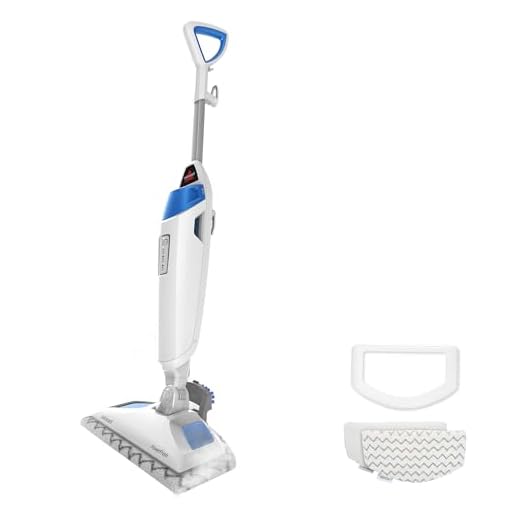
Having adjustable controls makes it much easier to adapt to different rooms in your house. The Bissell PowerFresh Steam Mop features three distinct steam settings to handle quick refreshes or everyday dirt. You can use the lowest setting for your sealed hardwoods and crank it up for the kitchen tile. This machine also accepts Spring Breeze scent discs to leave a welcoming fragrance behind as you clean. Matching the steam output to the floor type protects your investment while maximizing cleanliness.
Bissell PowerFresh Steam Mop 1940A
Step 3: Tackling Tough Stains and Grout Lines
Everyday mopping handles surface dust, but dried-on spills require a more targeted approach. When you encounter a sticky mess in the kitchen, you need to let the steam do the heavy lifting. Hold the mop head over the stubborn spot for a few seconds to allow the heat to break down the grime. Resist the urge to scrub frantically back and forth with a cold mop pad. The sustained heat will loosen the bonds of the stain so you can easily wipe it away.
Grout lines present a unique challenge because they sit lower than the surrounding tile and trap dirt. Many steam mops include a built-in scrubber that reaches deep into these shallow crevices. You can flip down the scrubbing tool to agitate the dirt while the steam sanitizes the porous grout material. This method kills germs and bacteria without requiring you to get on your hands and knees with a toothbrush. A slow and steady pass over the grout lines will yield the best possible results.
Step 4: Maintaining Your Steam Mop for Long-Term Use
Your steam mop needs regular care to continue producing hot steam and leaving floors spotless. The microfiber cleaning pads must be washed immediately after each use to prevent bacteria growth and odors. Avoid using fabric softeners when laundering the pads because the residue will cause streaks on your floors. You should also empty the water tank completely before storing the machine in your closet. Leaving stagnant water inside the reservoir can lead to mineral buildup and internal mold.
Hard water is the biggest enemy of any appliance that generates steam. If your tap water contains high levels of minerals, you should switch to distilled or demineralized water. Mineral deposits will eventually clog the internal heating element and reduce the steam output to a weak trickle. Some models feature replaceable water filters that help catch these impurities before they cause permanent damage. Taking a few minutes to maintain your equipment ensures it will be ready for your next big cleaning day.
Final Thoughts
Proper steam mopping prevents streaking and protects your hard floors from water damage. Empty your water tank and wash your microfiber pads immediately after finishing. Grab your vacuum now to prep your floors before firing up the steam mop.
Frequently Asked Questions
Can I put floor cleaning solution in my steam mop?
You should never put chemical cleaners in a standard steam mop water tank. The heat can vaporize the chemicals into the air and potentially damage the internal heating element. Always use plain water or distilled water unless the manufacturer specifically states otherwise.
How often should I wash my steam mop pads?
You need to wash the microfiber pads after every single cleaning session. Washing them promptly prevents dirt from setting in and stops bacteria from multiplying in the damp fabric.
Is steam mopping safe for unsealed hardwood floors?
Steam mopping is not safe for unsealed or waxed hardwood floors. The moisture and intense heat will penetrate the bare wood, causing it to swell, warp, or discolor over time.
Why is my steam mop leaving streaks on the floor?
Streaks usually happen when the mop pad becomes too saturated with dirt or water. They can also occur if you previously used chemical cleaners on the floor that are now being reactivated by the steam.


