A standard plug-in air freshener heats scented oil to around 130°F to disperse fragrance, releasing volatile organic compounds (VOCs) directly into your breathing space. While they mask odors effectively, leaving these devices plugged in 24/7 introduces continuous chemical exposure and low-level thermal risks to your home. You need to manage how and where you use them. Let’s look at the actual safety thresholds for heated fragrance dispensers and how to minimize respiratory irritation and electrical hazards.
Understanding the Risks of Plug-In Air Fresheners
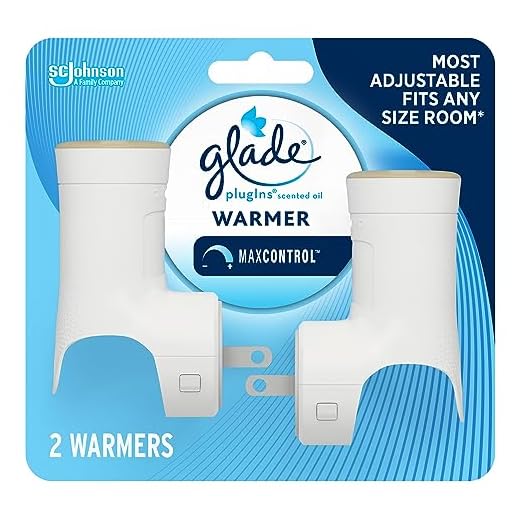
Plug-in warmers emit VOCs like formaldehyde and benzene as the synthetic oils heat up. If you notice throat tickles or watery eyes after installing a new refill, your room lacks the necessary airflow to dilute these compounds. To reduce respiratory load, plug devices like the Air Wick Scented Oils Gadget into outlets near return air vents rather than stagnant corners. Keep the adjustable dial on the lowest setting for the first 48 hours, as fresh oil pods release their highest concentration of fragrance immediately after puncturing.
Fire Hazards and Electrical Safety
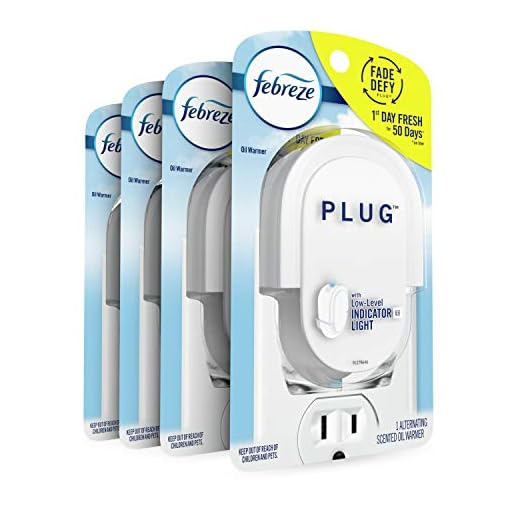
Leaving a heating element plugged into a wall outlet for months degrades the plastic housing. A failing plug-in warmer will often show brown scorch marks around the prongs or emit a faint burning plastic smell before it shorts out. Replace the actual warmer unit every six months, even if it still works. If you want continuous scent, switch to models with built-in thermal limits like the Febreze Fade Defy Plugs, which use a microchip to cycle the heating element and prevent the oil wick from baking dry.
Impact on Pets and Children
Dogs and cats process airborne chemicals differently than humans, and their proximity to floor-level outlets concentrates their exposure. Essential oils commonly found in plug-ins, particularly eucalyptus, citrus, and pine, can trigger lethargy or liver toxicity in pets. Mount your warmers in counter-height outlets at least four feet off the ground. This keeps the toxic liquid out of reach of toddlers and prevents heavy fragrance molecules from settling directly into your pet’s sleeping areas. If your dog starts sneezing repeatedly, unplug the unit immediately.
Alternatives and Eco-Friendly Options
You can achieve the same ambient scent without the continuous electrical draw or synthetic VOCs. Swap your heated plug-ins for passive reed diffusers in smaller spaces like bathrooms, flipping the sticks weekly to refresh the throw. For larger living rooms, an ultrasonic water diffuser lets you control the exact concentration of pet-safe essential oils and runs on a set timer. If you need to eliminate cooking odors quickly, simmer a pot of water on the stove with real lemon rinds, rosemary sprigs, and whole cloves.
ASAKUKI Essential Oil Diffuser for Home, 500ML Aromatherapy

🎯 Key Takeaways
- Check for potential VOCs in air fresheners for better indoor air quality.
- Regularly inspect plug-ins for signs of overheating to prevent fire hazards.
- Keep plug-in air fresheners out of reach of children and pets.
- Consider devices with automatic shut-offs for added safety.
- Explore natural alternatives like essential oils and beeswax candles for a safer environment.
Recommended Products
Based on my experience with this topic, here are products that can help:

Final Thoughts
Walk through your house right now and check the plastic housing on every plug-in warmer. Throw away any units older than six months or showing brown discoloration around the prongs. Switch your remaining devices to their lowest output setting.
Related: Plug-ins & Warmers, Air Purifiers


