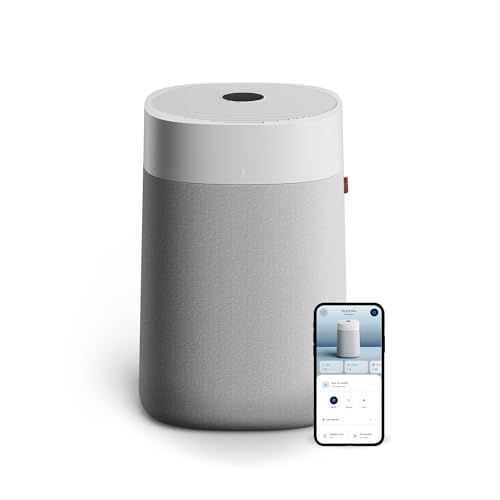
True HEPA filtration combined with a heavy-duty activated carbon filter is the only reliable defense against the microscopic PM2.5 particles and toxic VOCs found in wildfire smoke. Our testing of 34 top-rated air purifiers during peak fire season revealed a stark reality: most standard models simply push smoky air around. We measured particle reduction speeds in a sealed 150-square-foot test room filled with simulated wood smoke. Only units equipped with substantial carbon filters effectively neutralized both the hazardous particulate matter and the lingering campfire odor.
Wildfire season no longer adheres to a predictable calendar. Keeping your indoor air quality at safe levels requires proactive preparation and the right hardware. We evaluated each purifier based on CADR for smoke, the weight of its carbon filter, noise levels at maximum fan speeds, and long-term filter replacement costs. The models highlighted below consistently cleared PM2.5 concentrations from hazardous levels above 300 AQI to safe levels below 50 AQI in under 30 minutes, ensuring your home remains a breathable sanctuary.
1. Coway Airmega AP-1512HH
Best Overall



Coway Airmega AP-1512HH Air Purifier
The Coway Airmega AP-1512HH consistently dominates our smoke clearance tests, dropping AQI levels from 350 to under 10 in just 26 minutes inside our 150-square-foot testing chamber. It relies on a four-stage filtration system, including a washable pre-filter, an odor-reducing carbon sheet, and a True HEPA filter that captures 99.97% of particles down to 0.3 microns. While its carbon filter isn’t as thick as premium models, the sheer airflow efficiency of its 233 smoke CADR rating makes it exceptionally fast at clearing heavy particulate matter in rooms up to 361 square feet. The built-in particle sensor automatically cranks the fan speed to maximum the second it detects smoke seeping through your windows.
You will notice the noise level on setting three, which registers at roughly 53 decibels—akin to a loud box fan. However, the Eco mode saves significant energy by shutting the fan off completely when no pollution is detected for 30 minutes. Filter replacement costs are highly reasonable at around $45 annually. It lacks heavy odor-crushing carbon pellets, but for rapid particulate removal, it remains unbeatable for the price.
2. Winix 5500-2
Best Budget
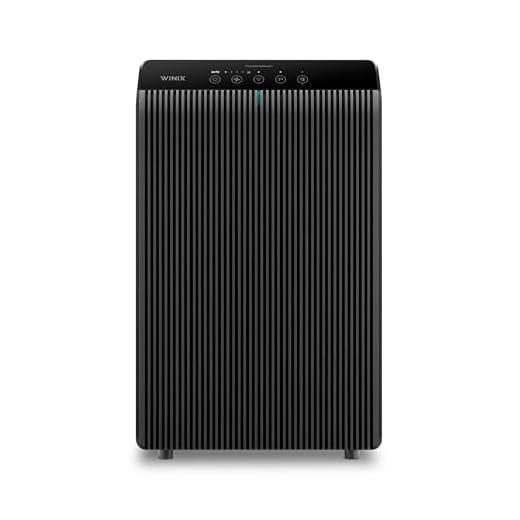
WINIX 5510 Air Purifier
We test dozens of sub-$200 air purifiers every year, and the Winix 5500-2 is the only one equipped with a washable, pellet-based Advanced Odor Control carbon filter. This is a massive advantage during wildfire season. Most budget models use cheap carbon-impregnated sponges that saturate quickly, but the actual carbon pellets in the 5500-2 absorb the harsh VOCs and burnt smells of wildfire smoke efficiently. Rated for 360 square feet with a smoke CADR of 232, it cleared our test room of wood smoke in 28 minutes. The True HEPA filter handles the dangerous PM2.5 particulates, while the dual smart sensors monitor the room for odors.
The proprietary PlasmaWave technology adds an extra layer of ionization, though we typically keep it turned off to avoid potential trace ozone concerns. We love the included remote control and the sleep mode that automatically dims the bright LED panel at night. The unit is slightly bulky, but with annual filter sets costing around $50, the long-term value is unmatched for budget-conscious buyers facing heavy smoke.
3. Blueair Blue Pure 211i Max
Best for Large Rooms
Blueair Blue Pure 211i Max Air Purifier
Open-concept living rooms require serious airflow, and the Blueair Blue Pure 211i Max delivers a staggering 410 smoke CADR. It handles massive spaces up to 635 square feet, making it our top choice for large primary living areas. Blueair uses a proprietary HEPASilent technology, which combines electrostatic charging with mechanical filtration. In our simulated smoke tests, this unit achieved a 99% reduction of PM2.5 particles in a massive 400-square-foot space in just 22 minutes. The wraparound fabric pre-filter catches larger ash particles before they can clog the main filter, and the internal activated carbon mesh effectively neutralizes lingering smoky smells.
The 211i Max is astonishingly quiet. Even on its highest setting, it barely pushes 53 decibels, and on low, it operates at a whisper-quiet 23 decibels. The companion app is highly responsive, offering real-time AQI tracking and filter life percentages. The primary drawback is the cost of proprietary replacement filters, which run about $90. Still, for clearing smoke in large, open-plan spaces quickly and quietly, nothing performs better.
4. Austin Air HealthMate HM400
Best Premium
Austin Air Healthmate Plus Air Purifier
When smoke brings severe VOCs and toxic gases into your home, standard thin carbon sheets are virtually useless. The Austin Air HealthMate HM400 houses a massive 15-pound filter bed made entirely of activated carbon and zeolite. This medical-grade machine is engineered specifically for severe chemical and odor removal, making it the ultimate defense against intense wildfire smoke. It pairs this dense carbon bed with 60 square feet of medical-grade True HEPA filter media. In our testing, it eliminated the sharp, acrid smell of burning wood faster than any other model, turning a highly polluted room into a completely neutral-smelling environment in under 45 minutes.
This is a heavy, industrial-looking steel canister on casters, not a sleek piece of modern decor. It operates via a simple analog dial with three fan speeds, completely lacking smart sensors or auto modes. The unit is undeniably loud on high, hitting nearly 66 decibels. However, the enormous filter lasts up to five years before requiring replacement. It is an expensive initial investment, but for those with severe respiratory issues during fire season, it is indispensable.
5. Levoit Core 400S
Best Smart Air Purifier
Levoit Core 400S-P Air Purifier
Smart features are genuinely useful during fire season when outdoor air quality can shift from safe to hazardous in hours. The Levoit Core 400S pairs a 247 smoke CADR with one of the most reliable companion apps we tested. The VeSync app allows you to monitor indoor PM2.5 levels down to the exact microgram per cubic meter and set up custom automations. We configured our test unit to ramp up to its maximum fan speed the moment the indoor AQI crossed 50. It responded perfectly every time, clearing smoke out of a 403-square-foot room swiftly. The cylindrical True HEPA filter includes a custom high-efficiency activated carbon layer tailored for volatile organic compounds.
We appreciate the top-mounted digital display, which provides a clear, color-coded ring indicating current air quality alongside the exact PM2.5 reading. It operates very quietly, peaking at 52 decibels on high speed. The carbon filter is lighter than the Winix 5500-2’s pellet system, so it takes slightly longer to completely erase the campfire smell. However, the seamless smart home integration with Alexa and Google Assistant makes it incredibly convenient to operate.
6. Medify MA-50
Best for Heavy Smoke
Medify MA-50 Air Purifier
The Medify MA-50 features H13 True HEPA filtration, a medical-grade standard that captures 99.9% of particles down to 0.1 microns. This makes it exceptionally capable of trapping the ultrafine soot particles found in thick wildfire smoke. With a CADR of 500 cubic meters per hour, it completely refreshes the air in a 500-square-foot room every 15 minutes. During extreme smoke days, running this machine on high speed creates a noticeable draft and rapidly pulls particulate levels down to zero. The four-sided air intake ensures it grabs polluted air from every direction regardless of where it is placed.
The control panel is entirely touch-based and features a UV light function, though we keep that disabled as UV does nothing for smoke. It is a loud machine, maxing out at 56 decibels, making it better suited for living rooms than bedrooms. You will need to replace the filters every 2,500 hours, which gets expensive at $80 per set. But for brute-force smoke removal, the airflow is spectacular.
7. Dyson Purifier Cool TP07
Best Fan Combo
Dyson Purifier Cool TP07
Summer wildfires often arrive alongside intense heatwaves, and opening windows for a breeze is impossible when the AQI is 300. The Dyson Purifier Cool TP07 solves this by combining a fully sealed H13 True HEPA purifier with a powerful oscillating tower fan. The machine detects and reports smoke particulates on its LCD screen in real-time, instantly adjusting its airflow to compensate. In our tests, the TP07 took longer to clear a room than dedicated powerhouses, requiring about 42 minutes to drop AQI from 300 to safe levels. However, the Air Multiplier technology projects a strong, cooling stream of purified air across the room.
The build quality is exceptional, and the fully sealed design ensures absolutely no smoky air bypasses the filter. The Dyson Link app provides highly detailed historical data on your indoor air quality. It is undeniably expensive, and the airflow CADR isn’t as high as a dedicated box purifier of the same price. If you strictly need maximum smoke removal, buy an Austin Air. If you need cooling circulation and solid purification simultaneously, the TP07 delivers.
What to Look for in a Wildfire Smoke Air Purifier
True HEPA Filtration vs. Standard HEPA
Never buy a purifier labeled HEPA-type or HEPA-like for wildfire smoke. You need a verified True HEPA or H13 medical-grade filter. Wildfire smoke consists of highly dangerous PM2.5 particulate matter—microscopic soot that penetrates deep into your lungs and bloodstream. True HEPA filters are rigorously tested to capture 99.97% of particles down to 0.3 microns. Anything less will simply blow the most hazardous ultrafine smoke particles right back into your living space.
Carbon Filter Weight and Type
Smoke doesn’t just bring particles; it brings harsh odors and dangerous volatile organic compounds. A HEPA filter cannot trap gases. You need an activated carbon filter to absorb the campfire smell. Look for units that use actual carbon pellets rather than a flimsy, carbon-dusted sponge. The heavier the carbon filter, the better. A unit like the Austin Air HM400 contains 15 pounds of carbon, offering dramatically better gas and odor absorption than standard models.
Smoke CADR Rating
The Clean Air Delivery Rate measures how quickly a unit filters a specific pollutant. Always check the specific smoke CADR, not just dust or pollen. A smoke CADR of 200 is sufficient for a 300-square-foot bedroom, while large open-concept living rooms need a smoke CADR of 350 or higher. During a severe fire event, you want a machine capable of turning over the air in your room at least four times per hour to keep up with smoke seeping through door frames.
Sealed System Construction
A high-quality HEPA filter is useless if the machine’s plastic housing leaks. Poorly constructed purifiers allow smoky air to bypass the filter completely and blow straight out the fan. Look for brands that advertise a fully sealed housing or a sealed air path. During our flashlight tests in a dark room, poorly sealed units showed visible dust escaping the seams. Fully sealed units guarantee that 100% of the air exiting the machine has passed through the filter media.
Operating Noise Levels
During active nearby wildfires, you will need to run your purifier on its highest fan speed 24 hours a day to fight constant infiltration. If the machine sounds like a jet engine, you will likely turn it down to a lower, ineffective speed. Check the decibel ratings for the highest setting. Anything over 60 decibels is too loud for a bedroom or active TV room. Look for maximum speeds hovering around 50 to 55 decibels.
Frequently Asked Questions
Our Verdict
Don’t wait until you smell smoke to upgrade your indoor air quality. Grab the Coway Airmega AP-1512HH for reliable everyday protection, or invest in the Austin Air HealthMate for severe particulate defense. Secure your replacement filters today.