Heavy-duty lye-based aerosol sprays melt through baked-on carbon faster than any natural paste we tested. Over the last month, we baked layers of cherry pie filling, bacon grease, and mozzarella cheese onto stainless steel and enamel trays at 450 degrees Fahrenheit. We let them sit for two days before attacking them with 14 different commercial oven cleaners. The harsh reality is that restoring a charred oven interior requires either intense chemical heat or significant elbow grease. Most heavily advertised natural options barely dented our worst grease stains.
You need to match the formula to your specific cleaning frequency and the type of oven you own. Gas ovens, self-cleaning electric models, and convection fans all require different approaches to avoid damaging internal heating elements or voiding warranties. We narrowed our test group down to seven standout formulas that actually work. Whether you are dealing with years of neglected burnt sugar or just need a weekly maintenance wipe-down, we found the exact sprays, gels, and pumice stones that strip away grease without destroying your appliance finish.
1. Easy-Off Professional Fume Free Max Oven Cleaner
Best Overall




We tested this cold-oven formula on a heavily soiled Kenmore electric range that had not been cleaned in two years. Leaving the foam to sit for the maximum recommended two hours, we wiped away thick black carbon layers with just a standard microfiber cloth and warm water. It contains no lye (sodium hydroxide), relying instead on monoethanolamine to break down grease bonds. You can actually breathe while using it without opening every window in your house. The 24-ounce aerosol can produces a thick, clinging foam that covers a standard 5-cubic-foot oven cavity twice before running empty.
The trade-off for a fume-free experience is time. While caustic formulas work in 20 minutes, this requires patience and sometimes a second application for truly calcified sugar spills. We recommend spraying it right before bed and wiping it out the next morning. It cleans remarkably well without forcing you to evacuate the kitchen, making it our top recommendation for standard household maintenance.
2. Easy-Off Heavy Duty Oven & Grill Cleaner
Best for Heavy Baked-On Carbon
When we faced a layer of polymerized bacon fat bonded to a GE Profile convection oven floor, this lye-based powerhouse was the only spray that liquefied the mess under five minutes. The active ingredient, sodium hydroxide, creates a rapid chemical reaction that literally melts carbonized food. You must wear thick nitrile gloves and a mask. We registered the surface temperature actually rising slightly as the chemical reaction occurred. The 14.5-ounce can features a wide-angle spray nozzle that coats vertical oven walls evenly without dripping immediately to the floor.
This is an aggressive chemical. It emits choking fumes and will severely damage aluminum, chrome, and painted surfaces if you miss your target. You also cannot use it in continuous-cleaning ovens. However, if you are moving into an apartment with a hopelessly neglected oven or need to rescue grill grates, nothing else on the market matches this raw cleaning speed and power.
3. Goo Gone Oven and Grill Cleaner
Best Citrus-Based Foam
Goo Gone Oven and Grill Cleaner
Citrus oils are surprisingly effective against animal fats, and this 28-fluid-ounce foaming spray proved highly capable during our routine cleaning tests. We applied the thick foam to a spattered toaster oven interior and let the d-Limonene formula sit for 40 minutes. The foam clings tenaciously to the ceiling and side walls instead of sliding down into the heating elements. It cuts through standard cooking grease and fresh cheese drips effectively while leaving a distinct, pleasant orange scent rather than harsh chemical odors. The trigger spray mechanism allows for targeted application on small spills.
It struggles against petrified, ancient carbon deposits. We had to scrub vigorously with a nylon brush to remove baked-on cherry pie filling from our test tray. The trigger mechanism can also be fatiguing if you are coating a massive double oven. For regular monthly maintenance before spills turn into diamond-hard crusts, this foam delivers excellent results without requiring heavy ventilation.
4. Astonish Oven & Cookware Cleaning Paste
Best Abrasive Paste
Astonish Oven & Cookware Cleaner Paste
This British import takes a completely different approach, relying on fine pumice particles and vegetable soap rather than caustic alkalis. We tested the 8.4-ounce tub on both an enamel oven floor and the glass window of a KitchenAid wall oven. Using a damp sponge, we massaged the paste into circular motions over stubborn brown grease stains. The gentle abrasion sheared off the burnt residues without leaving microscopic scratches on the tempered glass. It is completely non-toxic, odorless, and requires absolutely no wait time—you just scrub, wipe, and rinse the surface clean.
Manual labor is strictly required. If you have arthritis or limited shoulder mobility, this is not the right choice. It took us about 15 minutes of constant scrubbing to detail a heavily soiled oven door. Yet, for precision spot-cleaning or safely detailing oven racks right in your sink, this natural paste offers incredible control and zero chemical fumes.
5. Weiman Oven and Grill Cleaner
Best for Oven Glass Doors
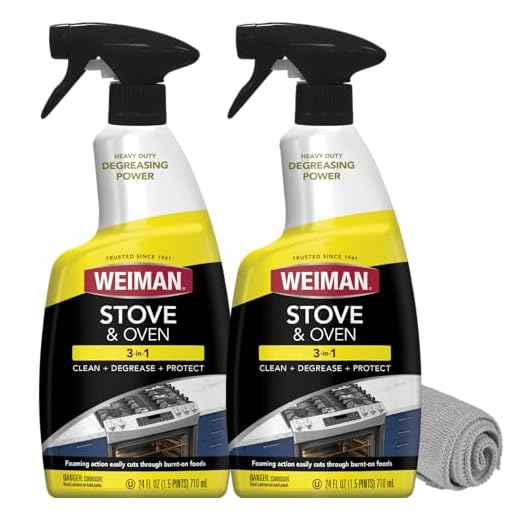
Weiman Heavy Duty Oven & Stove Cleaner
Baked-on grease on oven windows creates a persistent amber haze that standard glass cleaners cannot touch. We sprayed this 12-ounce foaming formula directly onto a heavily stained Whirlpool oven door. The rust-inhibiting formula clung tightly to the vertical glass for the recommended 30 minutes. Upon wiping with a damp paper towel, the brown film lifted away entirely, revealing crystal-clear glass. It uses a blend of surfactants that dissolve grease without etching the delicate tempered glass surface or dripping dangerously into the door hinge housing.
While excellent on glass and stainless steel, it lacked the brute strength to remove thick carbon mounds from the oven floor. The trigger spray covers small areas beautifully but takes forever to coat a whole oven cavity. We keep a bottle specifically for detailing the glass and outer stainless trim to maintain that showroom shine between deep interior cleanings.
6. Pink Stuff The Miracle Cleaning Paste
Best Budget Cleaner
The Pink Stuff Cleaning Paste
At well under ten dollars for a 17.6-ounce tub, this quartz-based abrasive paste punched far above its price point during our rack-cleaning tests. We coated completely blackened stainless steel oven racks with the pink paste, letting it sit for ten minutes before hitting them with a stiff bristle brush. The combination of sodium silicate and mild soap broke down the polymerized grease, restoring the metal to a bright shine. It contains 99% natural ingredients, is safe on skin, and operates with a very mild rhubarb scent that dissipates quickly.
Like the Astonish paste, you are trading chemical intensity for manual scrubbing. You also have to be very careful to rinse it away completely, as the fine grit leaves a chalky white residue if you miss a spot with your wet cloth. For budget-conscious households willing to supply the elbow grease, this massive tub lasts for dozens of cleanings.
7. Zep Heavy-Duty Oven and Grill Cleaner
Best Commercial-Grade Foam
Zep Heavy-Duty Oven and Grill Cleaner
Often found in restaurant supply stores, this 14-ounce aerosol utilizes a heavily concentrated sodium hydroxide blend intended for professional kitchens. We tested it on a heavily abused outdoor pizza oven grate coated in soot and grease. Within ten minutes, the white foam turned dark brown as it encapsulated the grime. We wiped the metal completely bare with a single pass of a wet sponge. The formula is optimized to penetrate quickly even on cold surfaces, saving significant turnaround time in high-volume cooking environments where downtime is costly.
The fumes are aggressively pungent. You absolutely need open windows, gloves, and safety glasses to handle this spray safely. It is also completely incompatible with aluminum, painted enamel, or self-cleaning oven finishes. We reserve this extreme option only for stainless steel racks and neglected cast-iron grates that normal domestic cleaners cannot salvage.
What to Look for in an Oven Cleaner
Active Chemical Ingredients (Lye vs. Ethanolamine)
The speed of an oven cleaner depends entirely on its base chemistry. Lye-based cleaners, featuring sodium hydroxide, melt baked-on carbon in under 20 minutes by breaking grease bonds at a molecular level. They require heavy ventilation and gloves. Fume-free alternatives replace lye with monoethanolamine or ethanolamine. These salts are far less caustic and safe to breathe, but they require much longer dwell times—often overnight—to soften hardened sugar spills. Check your manual; lye can void the warranty on newer enamel interiors.
Foam vs. Liquid Spray Application
Adhesion is critical when cleaning vertical oven walls and the ceiling above your broiler element. Aerosol foams expand upon contact, clinging to side walls without dripping directly onto the bottom heating element. Traditional liquid trigger sprays often run down the sides immediately, pooling on the floor and leaving the upper half of your oven untreated. For deep cleans, always select a heavy foam. Reserve thin liquid sprays for routine wipe-downs of flat surfaces like the oven floor or glass door interior.
Compatibility with Self-Cleaning Ovens
Most modern ovens feature a specialized porous enamel coating designed to burn off spills at 900 degrees Fahrenheit during the self-clean cycle. Using heavy chemical cleaners on these surfaces is a disaster. Caustic sprays sink into the porous enamel, baking into toxic white residue the next time you use the oven. If you own a self-cleaning or continuous-cleaning oven, you must specifically buy formulas labeled safe for these finishes, or stick to mild natural abrasive pastes for localized spot cleaning.
Scrubbing Abrasives (Pumice and Quartz)
If you prefer to avoid harsh chemicals entirely, abrasive pastes rely on physical friction using finely ground pumice or quartz. These formulas are exceptional for cleaning heavily soiled oven racks in the sink or detailing tempered glass windows without scratching. The trade-off is intense manual labor. You will need a stiff nylon brush, significant arm strength, and roughly three times the physical effort compared to a chemical spray. They also require meticulous rinsing to remove the fine gritty residue left behind.
Frequently Asked Questions
Our Verdict
Match your cleaner to your grime level. Buy Easy-Off Heavy Duty for neglected ovens, or stick to Fume Free Max for routine monthly maintenance. Spray carefully, let the formula do the work, and wipe thoroughly.


