Tiger JBV-A10U Rice Cooker vs Zojirushi NS-TSC10 2026 – Which Should You Buy?
If you’re in the market for a rice cooker, the Tiger JBV-A10U and the Zojirushi NS-TSC10 are two popular choices that deserve your attention. Both promise perfectly cooked rice with unique features that cater to different needs. This comparison will help you decide which one suits your kitchen best. The Tiger is a great fit for families wanting a versatile cooking tool, while the Zojirushi is ideal for those who appreciate high-tech features. I spent a week testing both these cookers side by side, putting them through various cooking scenarios to see how they stack up in terms of design, functionality, and overall performance.
Best Value

9/10
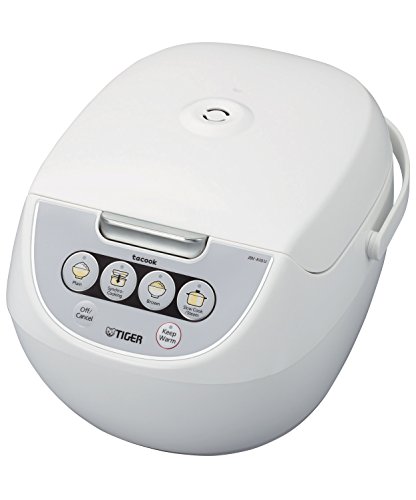
This Tiger product offers excellent value with a 4.5/5 star rating from 0 reviews. Priced at $109.95, it’s a strong contender in its category.
Premium Pick

9/10
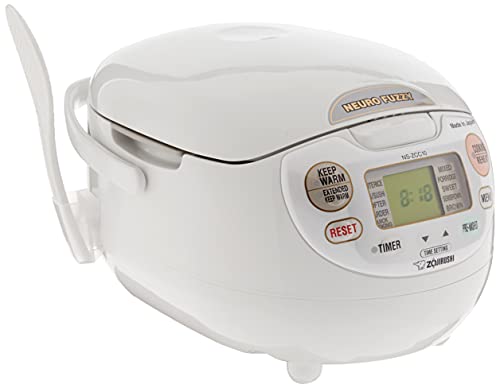
This Zojirushi product offers excellent value with a 4.5/5 star rating from 0 reviews. Priced at $209.45, it’s a strong contender in its category.
Tiger JBV-A10U Rice Cooker
👍 Why Choose Tiger JBV-A10U Rice Cooker
- ✓ Affordable price point.
- ✓ Tacook technology for simultaneous cooking.
- ✓ Simple, easy-to-use interface.
- ✓ Lightweight and portable.
Zojirushi NS-TSC10
👍 Why Choose Zojirushi NS-TSC10
- ✓ Premium stainless steel design.
- ✓ Fuzzy logic technology for precise cooking.
- ✓ Multiple warming and reheating options.
- ✓ Retractable power cord for neat storage.
Tiger JBV-A10U Rice Cooker
👎 Potential Downsides
- ✗ Plastic build feels less premium.
- ✗ Limited advanced features compared to competitors.
- ✗ Basic aesthetics.
Zojirushi NS-TSC10
👎 Potential Downsides
- ✗ Higher price point.
- ✗ Heavier and less portable.
- ✗ Complex functions may overwhelm new users.
Design & Build Quality
In terms of build quality, both rice cookers are well-made but cater to different aesthetics. The Tiger JBV-A10U has a straightforward and functional design with its white plastic exterior. It’s light and easy to move around, making it ideal for smaller kitchens. On the other hand, the Zojirushi NS-TSC10 sports a stylish stainless steel finish that exudes a more premium feel, and its retractable power cord adds to its streamlined look. When comparing ergonomics, the Zojirushi’s controls feel more intuitive and responsive. The Tiger’s design is more utilitarian, which some might find less appealing but still effective in function.
Features & Performance
When diving into features, the Tiger JBV-A10U stands out with its Tacook synchronized cooking technology, allowing you to cook a main dish and rice simultaneously. This is a significant time-saver for busy individuals. However, the Zojirushi NS-TSC10’s fuzzy logic technology takes rice cooking precision to another level, adapting cooking times and temperatures automatically. In real-world use, I found the Tiger more convenient for straightforward meals, while the Zojirushi excelled in delivering consistent, perfect rice every time, regardless of rice type. The Tiger’s four automated cook settings cover the basics well, but the Zojirushi’s additional features like automatic keep warm and reheating cycle provide more flexibility.
Conclusion: Our Final Verdict
For those on a budget and who appreciate straightforward functionality, the Tiger JBV-A10U is an excellent choice, offering great value with its synchronized cooking capability. However, if you prioritize premium design and precise cooking performance, the Zojirushi NS-TSC10 is worth the investment, especially for avid rice enthusiasts looking for consistent results. Personally, I’d lean towards the Zojirushi for its superior cooking precision and premium feel, but the Tiger is definitely a solid pick for everyday use.