Countertop ovens bring incredible convenience to daily meal prep. They heat up fast and handle everything from morning toast to evening roasts. However, these compact appliances generate intense heat in a very small space. Many people treat them like standard microwaves without realizing the unique fire risks involved. Learning proper safety protocols protects your home and extends the life of your appliance.
This guide covers the most critical safety habits for operating your countertop oven. We will walk through proper placement rules to prevent heat damage to your cabinets. You will also learn about safe power management and routine cleaning practices that prevent grease fires. Following these simple guidelines ensures your kitchen remains a secure environment for the whole family. Let us get started with the basics of safe operation.
Give Your Appliance Plenty of Breathing Room
The most common mistake people make is shoving their oven tightly against a wall or under low cabinets. These appliances radiate a significant amount of heat from their exterior panels during operation. You need to leave at least four to six inches of empty space on all sides. This clearance allows hot air to escape safely instead of building up against your walls. Trapped heat can easily melt nearby plastic items or scorch your wooden cabinetry over time.
Pay special attention to the area directly above the unit. Never store bread bags, paper towels, or plastic containers on top of the oven. The top panel often gets hot enough to melt plastic or ignite paper within minutes. If you have very low hanging cabinets, you might need to pull the unit forward onto an open counter space before turning it on. Always push it back only after it has completely cooled down.
Plug Directly Into a Dedicated Wall Outlet
Countertop ovens draw a massive amount of electricity to power their heating elements. You should always plug the power cord directly into a grounded wall outlet. Never use extension cords or power strips for these high wattage appliances. Extension cords can easily overheat and start an electrical fire hidden behind your counters. If your cord cannot reach the outlet, you need to rearrange your kitchen setup to accommodate it safely.
It is also wise to unplug the unit entirely when you are not actively cooking. Power surges can occasionally turn appliances on or damage their internal components. Unplugging provides absolute certainty that the heating elements will not activate accidentally. Make sure to grasp the plug itself rather than pulling on the cord to avoid damaging the internal wires. Inspect the cord regularly for any signs of fraying or exposed metal.
Understand Your Cooking Functions and Heat Levels
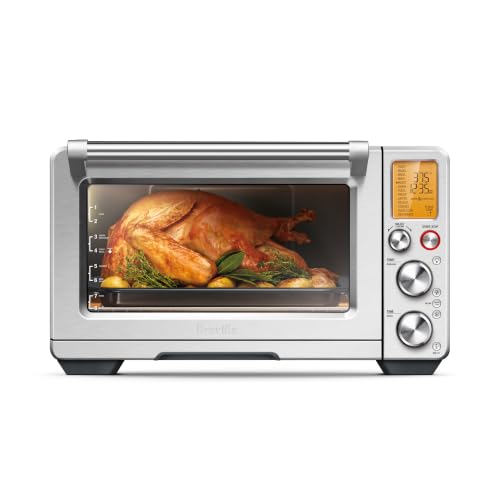
Modern units offer intense heating capabilities that require careful attention. The Breville Smart Oven Air Fryer Pro uses an Element iQ System with five independent quartz elements. Smart algorithms steer the power exactly where and when it is needed to create high temperatures. This super convection technology uses a two speed fan to circulate hot air rapidly. You must monitor your food closely when using these powerful air fry and dehydrate settings to prevent burning.
Different foods require different approaches across the 13 cooking functions available on advanced models. Always use the correct setting for your specific meal to avoid excessive smoke or flare ups. For example, broiling fatty meats too close to the top elements can cause grease to splatter and catch fire. Keep a close eye on the cooking process through the glass door instead of walking away. Adjust the temperature down if you notice heavy smoke filling the cooking chamber.
Breville BOV900BSS Smart Oven Air Fryer Pro
Keep the Crumb Tray and Interior Clean
A dirty oven is a dangerous oven. Crumbs and grease accumulate quickly at the bottom of the cooking chamber after just a few uses. If left unchecked, this debris will eventually smoke and can easily ignite during a high heat cycle. You need to empty the bottom crumb tray after every single use once the unit cools. Wash the tray with warm soapy water at least once a week to remove stubborn grease spots.
The interior walls and heating elements also require regular attention. Wipe down the inside surfaces with a damp cloth to remove oil splatters. Never spray chemical cleaners directly onto the quartz or metal heating elements. Chemical residue can create toxic fumes or catch fire the next time you bake. A simple mixture of baking soda and water works perfectly for scrubbing away baked on food safely.
Upgrade to Modern Units with Better Safety Features
Older appliances often lack the automatic shutoff features found on newer models. If your current unit has a broken timer or a door that does not close properly, it is time for a replacement. Faulty doors let heat escape and can melt the plastic knobs on the front panel. Upgrading to a newer model gives you peace of mind with reliable timers and better insulation. Modern designs prioritize user safety alongside cooking performance.
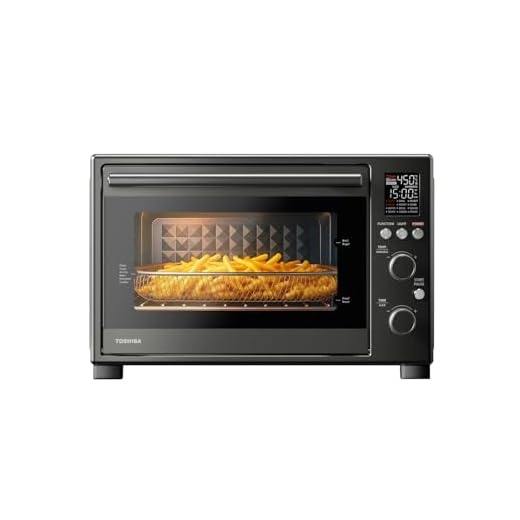
The TOSHIBA ChefFry Air Fryer Toaster Oven Combo is a great example of a modern 12-in-1 convection countertop oven. It combines multiple appliances into one secure unit to reduce kitchen clutter. Having a single reliable appliance is much safer than running several older devices at the same time. Always read the manufacturer manual when setting up a new appliance to understand its specific safety requirements. Following the manual ensures you get the best performance without taking unnecessary risks.
TOSHIBA ChefFry Air Fryer Toaster Oven
Final Thoughts
Practicing good safety habits takes only a few extra seconds of your time. Proper placement, direct power connections, and routine cleaning will prevent the vast majority of kitchen accidents. Treat your countertop oven with the same respect you give your full size range. Your diligence will keep your kitchen safe and your meals tasting great.
Frequently Asked Questions
Can I leave my toaster oven plugged in all the time?
It is highly recommended to unplug the unit when not in use. This prevents accidental activation and protects the appliance from electrical surges. Unplugging is a simple habit that greatly reduces fire risks.
What should I do if food catches fire inside the oven?
Keep the door closed to starve the fire of oxygen. Unplug the unit immediately from the wall outlet if it is safe to do so. Never throw water on a grease fire, as this will cause it to spread rapidly.
Is it safe to use aluminum foil inside the cooking chamber?
You can use foil, but you must keep it away from the heating elements. Foil that touches the elements can melt or cause dangerous electrical sparks. Never cover the crumb tray completely with foil because it traps heat and creates a fire hazard.