Tested in real homes
Updated March 2026
Mixing vinegar and baking soda in a spray bottle leaves you with nothing but sodium acetate and water—essentially a weak, salty puddle. The 5% acetic acid in white vinegar and the alkaline sodium bicarbonate cancel each other out the moment they stop fizzing. To actually clean with these pantry staples, you must use them separately or sequentially. Vinegar dissolves calcium carbonate scale and cuts grease; baking soda provides a mild, 8.3 pH abrasive for scrubbing and absorbing odors. Getting this wrong means scrubbing harder with a neutralized liquid. Getting it right turns them into targeted tools that clear a sluggish drain or strip hard water stains in minutes.
Step 1: Use the Fizz for Mechanical Action in Drains
That fizz is a rapid release of carbon dioxide gas. While not a chemical cleaner itself, the expanding bubbles physically dislodge gunk in slow-moving drains. It’s a mechanical process, not a dissolving one.
To clear a sluggish kitchen or bathroom sink, pour a half-cup of baking soda directly down the drain. Let it sit for 5 minutes. Slowly pour a half-cup of distilled white vinegar down the drain. Cover the opening with a plug or a wet rag immediately to force the expanding gas downwards. Let it work for 15-20 minutes, then flush with a kettle of boiling water. A common failure case is trying this on a completely blocked drain; the pressure can’t go anywhere, leaving you with a clogged pipe full of vinegar and soda.
Step 2: Use Vinegar’s Acidity to Dissolve Minerals and Grease
Vinegar relies on its 5% acetic acid content to break down alkaline substances like soap scum and calcium carbonate (limescale). Do not dilute it for these jobs. For a showerhead clogged with white mineral deposits, fill a sturdy plastic bag with straight distilled white vinegar and secure it over the head with a rubber band, ensuring the clogged nozzles are fully submerged. Leave it for at least 4 hours, or overnight for heavy buildup. When you remove the bag, the deposits soften enough to scrub off with an old toothbrush.
For greasy microwave splatters, acidic steam works best. Combine 1 cup of water and 1/2 cup of white vinegar in a microwave-safe bowl. Heat on high for 5-7 minutes until boiling and the microwave window is steamy. Let it stand with the door closed for 3 minutes. The steam loosens baked-on grime, allowing you to wipe it away with a sponge—no scrubbing required.
Step 3: Use Baking Soda’s Abrasiveness for Scrubbing and Deodorizing
Baking soda acts as a mild abrasive, scrubbing away stuck-on food without scratching stainless steel sinks or ceramic stovetops. To make a scouring paste, mix 3 parts baking soda with 1 part water until it reaches the consistency of wet sand. Smear this paste onto burnt-on food in a pot or on a glass cooktop, let it sit for 15 minutes, and scrub with a non-scratch sponge. The paste provides the friction to lift the grime.
Its other function is absorbing odors. To deodorize a rug, sprinkle a full cup of baking soda evenly over a 10×10 foot area. Use a stiff brush to work it lightly into the fibers. Leave it for at least 30 minutes, then vacuum thoroughly. Vacuum once north-to-south, then again east-to-west to pull up all the powder from the base of the carpet fibers.
Step 4: Use Them Sequentially for Grout, Toilets, and Tough Stains
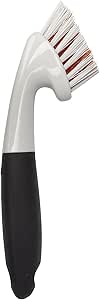
For tough jobs like stained tile grout, use one ingredient to set up the other. First, make the baking soda paste (3 parts soda, 1 part water) and use a stiff-bristled brush to scrub it deep into the grout lines. Let it sit for 10 minutes. Next, spray the paste-covered grout with straight white vinegar. The fizzing reaction happens right on the surface, lifting dirt out of the porous grout. Let it bubble for a minute, then give it a final scrub and rinse with water.
This sequential method also clears toilet bowl rings. Turn off the water valve to the toilet and flush to empty the bowl. Sprinkle a cup of baking soda around the inside of the bowl, focusing on the water line. Follow with a slow pour of 2 cups of vinegar. As it fizzes, use your toilet brush to scrub the entire bowl. Let it sit for 10 minutes before turning the water back on and flushing.
- Always use *distilled white vinegar* with 5% acidity for cleaning. Apple cider vinegar leaves a brownish tint and sweet cooking vinegars attract pests.
- Never use vinegar on natural stone surfaces like marble, granite, or travertine. The acid permanently etches and dulls the finish. Stick to pH-neutral cleaners for stone.
- For a simple, non-neutralized all-purpose spray, infuse a jar of vinegar with lemon or orange peels for two weeks. Strain out the peels, and dilute the infused vinegar 1:1 with water in a spray bottle. Use this on counters and windows.
- Never mix vinegar with chlorine bleach. This combination creates toxic chlorine gas.
Frequently Asked Questions
Conclusion
Grab your baking soda and vinegar, but keep them out of the same spray bottle. Pick one task right now—like steaming your microwave or clearing a slow drain—and apply these ingredients sequentially to see actual results.