You are pushing dirty water around your kitchen floor. The tiles dry with a dull cloudy film. Your mop head smells like a wet dog even after a heavy run through the washing machine. You are trying to clean your house with a tool that is actively making it dirtier.
Sponge mops break down and leave little yellow foam pieces behind. Cotton string mops turn gray and harbor bacteria that sour your floors. Microfiber pads lose their grip and just slide right over sticky spots. Every mop type has a specific lifespan based heavily on how often you clean and what kind of floors you have.
Knowing exactly when to toss your mop head saves you time and keeps your floors actually clean. You will learn the exact physical signs of mop failure. You can stretch the life of your cleaning tools with the right washing routine.
The Two-Month Rule for Sponge Mops
Sponge mops degrade incredibly fast. The cellular structure of cellulose traps dirt and holds onto moisture heavily. If you mop your kitchen and bathrooms twice a week, that sponge will start falling apart right at the eight-week mark. You will notice the edges crumbling off. The sponge will struggle to wring out completely. A waterlogged sponge leaves heavy streaks across your linoleum and laminate floors.
You must replace the sponge head the moment it feels rigid or crusty when completely dry. Hardened cellulose means the material has lost all its elasticity. It will not absorb spills effectively anymore. Squeezing a stiff sponge through the roller mechanism often tears it completely in half. Buy a refill pack so you always have a fresh head ready every 60 days.
Microfiber Pad Lifespans and Wash Cycles
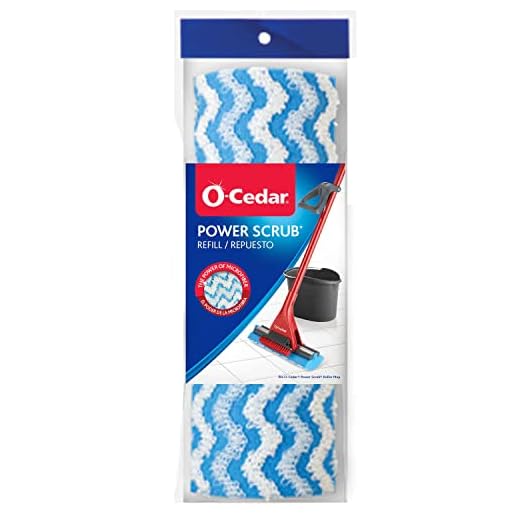
Microfiber mop pads last significantly longer than cheap sponges. High-quality pads handle about 50 to 100 trips through your washing machine. If you mop once a week and wash the pad after every single use, you can expect a full year of cleaning from a single pad. The microscopic fibers act like tiny hooks that grab fine dirt and pet hair.
These tiny hooks eventually melt or flatten out entirely. Washing microfiber in hot water above 140 degrees Fahrenheit damages the synthetic material. Drying pads on high heat will completely fuse the fibers together. Run your hand across a clean dry microfiber pad. Toss it in the trash if it feels perfectly smooth instead of slightly grippy.

String Mops and the Sour Smell Test
Cotton string mops are notorious for holding onto bad smells. The thick cotton yarn takes hours to dry completely. Mildew and bacteria multiply rapidly inside damp cotton sitting in a dark utility closet. You will smell the problem long before you see it. A string mop that smells sour after a thorough rinsing is past the point of saving.
Commercial cleaning settings replace cotton mop heads every 30 days. You should replace your residential string mop every three to four months. Watch the bottom of the thick strings. The yarn will begin to fray and leave lint trails on your tile floors. Discard the head when the strings turn permanently gray despite soaking them in a heavy bleach solution.

Spin Mop Microfiber Heads
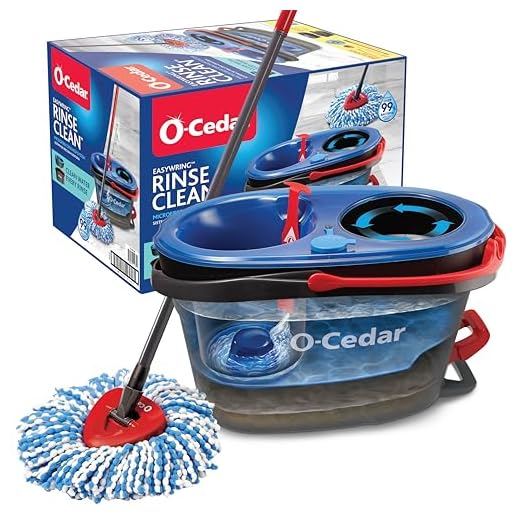
Spin mops use highly specialized circular microfiber heads. The violent spinning action in the bucket wringer puts extra mechanical stress on the plastic base and the fibers. You need to replace these heads every three months with regular weekly use. The strands will start to flatten out and mat together heavily.
Check the plastic triangle or circular base where the fibers attach. The aggressive spinning often cracks the plastic over time. A cracked base will not click securely onto the mop handle. The mop head will wobble or fall off entirely while you scrub stubborn sticky spots. Keep three spare heads in rotation to extend the life of each individual piece.

Steam Mop Pads and Heat Degradation
Steam mops expose cleaning pads to extreme conditions. The steam leaves the nozzle at roughly 248 degrees Fahrenheit. Constant exposure to this boiling moisture rapidly breaks down the backing material of the pads. The velcro or elastic bands that hold the pad to the machine will fail long before the actual cleaning surface does.
A loose steam mop pad is dangerous and highly ineffective. It will bunch up under the machine and block the hot steam from ever reaching your hard floors. Replace your steam mop pads after roughly 40 to 50 runs through the washing machine. Throw away any pad with stretched elastic bands or worn-out velcro strips immediately to prevent damage to your floors.

The Floor Type Factor in Mop Wear
Rough surface materials destroy mop heads incredibly quickly. Natural stone slate unsealed concrete and heavily textured ceramic tile act just like sandpaper against your cleaning tools. You will cut the lifespan of any mop in half if you regularly clean these abrasive floors. Microfiber catches on jagged edges and tears rapidly. Sponges get shredded into tiny pieces with almost every pass.
Smooth surfaces like sealed hardwood or polished vinyl are much gentler on your daily cleaning supplies. You can safely push a microfiber pad slightly past its normal expiration date on perfectly smooth laminate floors. You must inspect your mop head much more frequently if you transition constantly between a smooth kitchen floor and a textured patio or mudroom surface.
Upgrading the Handle and Hardware
The mop head is not the only part that fails. A broken mop handle makes cleaning physically painful. Telescopic metal handles often rust from the inside out. The twist-and-lock mechanism strips out after months of applying heavy downward pressure. A handle that collapses while you push it needs immediate replacement.
You must inspect the plastic hinges and wringing mechanisms on your daily mop frame. Repeated exposure to heavy chemical floor cleaners makes cheap plastic incredibly brittle over the months. The hinges will snap entirely without any warning. Buy a completely new mop system if the handle bends visibly under heavy pressure or the plastic parts show white stress lines around the joints.
Quick Tips
- Wash microfiber mop pads separately from cotton towels to prevent heavy lint buildup on the synthetic fibers.
- Store your string mop hanging up with the head at least six inches off the floor to allow complete air drying.
- Rinse your sponge mop in a bucket of clean cold water after mopping to flush out residual chemical floor cleaners.
- Label your mop pads with a permanent marker to keep bathroom pads completely separate from your kitchen pads.
- Add a half cup of white vinegar to the rinse cycle when washing mop heads to strip away heavy detergent residue.
Frequently Asked Questions
Pushing a worn-out mop around your home wastes your time and leaves your floors filthy. Inspect your mop head before every single cleaning session. Toss out anything that smells bad feels crusty or lacks grip.
Buy replacement heads in bulk so you always have a fresh one ready to go. A clean floor starts with a clean tool. Take the time to wash and dry your mop heads properly to get the most value out of your cleaning supplies.


