A glass cleaner’s effectiveness comes down to its evaporation rate and surfactant load, not how hard you scrub. Spray a cheap, dye-filled ammonia formula on a warm window, and it flashes off before your towel crosses the glass, leaving a permanent spiderweb of streaks and lint. I tested these eight formulas on bathroom mirrors, hard-water-stained shower doors, and off-gassing interior windshields to see which chemicals actually suspend oils and minerals. Here is how each formulation handles real household grime.
Top Picks
Here are the top glass cleaners that lift oils and mineral deposits without leaving a hazy film behind.
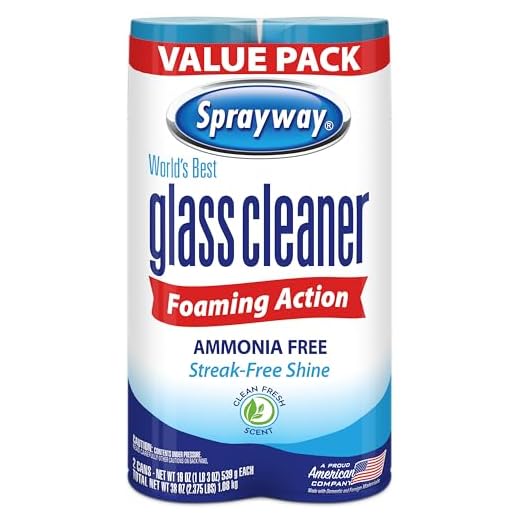
#1 Sprayway Glass Cleaner Foaming Aerosol Spray (2-Pack)
Sprayway Foaming Glass Cleaner
The $4.74 price tag hides the best glass cleaner on the market. Sprayway relies on a dense, foaming action instead of liquid, meaning it stays exactly where you spray it without racing down your mirror toward the baseboard.
Foaming aerosol spray. Ammonia-free formula. Removes fingerprints, dust, dirt, and smoke film. Leaves a fresh fragrance.
You spray it, it expands into a thick white foam, and you wipe without chasing drips. The catch? The ‘fresh fragrance’ is aggressively strong, lingering heavily in tiny, windowless half-baths long after you finish cleaning.
Verdict
Best Overall. Buy this if you are absolutely tired of chasing runny liquid drips down your bathroom mirrors every morning.
#2 HOPE’S Perfect Glass Cleaner Spray
At $13.85 a bottle, you expect miracles. HOPE’S delivers by drastically cutting down your elbow grease, taking just 11 strokes to clear a window compared to 70 strokes with cheaper competitor brands.
Multi-surface cleaner (glass, shower, TV, stove). 100% streak-free. Ammonia-free. Safe for handheld device screens.
It genuinely requires less wiping to lift heavy stove-top grease. But because it lacks ammonia, it struggles slightly against baked-on hard water spots compared to highly acidic bathroom cleaners.
Verdict
Best Value. Buy this if you want a single spray safe enough for your iPad and strong enough for your stove top.
#3 Griot’s Garage Window Cleaner, 35oz
This massive 35-ounce jug is built for the garage but belongs in the house. Griot’s uses a rapid-evaporating formula specifically designed to clean windshields so they defrost faster on cold winter mornings.
35 oz capacity. Quick-evaporating formula. Windshield cleaner. Safe for factory and aftermarket tinted windows.
The clarity is unmatched; you wipe once and the liquid vanishes without leaving a film. The downside is you can’t spray an entire windshield at once on a hot day, as it will dry before your towel reaches it.
Verdict
Best Premium. Buy this if you hate that greasy film most standard household cleaners leave on the inside of your windshield.
#4 Invisible Glass Premium Aerosol Glass Cleaner Spray
Invisible Glass tackles the absolute worst exterior grime. It uses a deep-cleansing foam formulated to dissolve road grease, winter salt, and caked-on mud without relying on streaky soaps, scents, or dyes.
Aerosol foam spray. Clear dry formula. Zero soaps, scents, or dyes. Made in the USA. Safe for tinted glass.
It obliterates thick winter road salt on contact, and the clear-dry formula genuinely leaves zero residue. However, the high-pressure aerosol nozzle easily oversprays onto your car’s dash if you aren’t holding it close enough.
Verdict
Best Ammonia-Free Formula. Buy this if you need to aggressively strip heavy winter road salt and grease off your exterior auto glass.
#5 Better Life Glass Cleaner, Unscented 32 Oz
Finding a glass cleaner safe for acrylic and plexiglass is surprisingly difficult. Better Life uses an unscented, plant-based 32-ounce formula free of added alcohols and petroleum solvents that won’t cloud your sensitive plastics.
32 oz bottle. Unscented. Safe for plexiglass and acrylic. No petroleum, chlorine, bleach, or added alcohols.
It cleans light fixtures and acrylic flawlessly without leaving harsh chemical fumes behind. The frustration comes when you buy the two-pack: they only include one sprayer nozzle, so you must save and swap it to the second bottle.
Verdict
Best Eco-Friendly. Buy this if you need to clean delicate acrylic, plexiglass, or light fixtures without enduring harsh chemical fumes.
#6 Chemical Guys Glass Cleaner Signature Series
Chemical Guys built an ammonia-free cleaner explicitly for the delicate aftermarket tints on modern vehicles. It strips away interior fingerprints and off-gassing haze without degrading the tint film over time.
Ammonia-free streak-free formula. Safe on tinted glass. Removes fingerprints, dirt, smudges, and road grime.
It leaves a flawless finish on interior auto glass, immediately improving your night driving visibility. But you must pair it with a waffle-weave microfiber; using cheap paper towels with this specific formula leaves a frustrating linty haze.
Verdict
Best for Automotive Glass. Buy this if you have expensive aftermarket window tint and need to remove frustrating interior windshield haze.
#7 Windex Outdoor Window and Glass Cleaner
Nobody wants to climb a ladder with a squeegee. This concentrated Windex attaches directly to your garden hose, allowing you to blast second-story windows and patio furniture clean from the ground.
Two 32 fl oz bottles. Hose-attachment sprayer. Cleans without wiping. Phosphorus and ammonia-free.
You just spray the soapy mix, rinse with water, and walk away. It is incredibly fast. The fatal flaw? If your exterior spigot puts out mineral-heavy hard water, the ‘let dry’ method will inevitably leave hard water spots behind.
Verdict
Best for Outdoor Windows. Buy this if you have dirty second-story windows and want to skip climbing a dangerous ladder entirely.
#8 CLR Brilliant Bath Foaming Bathroom Cleaner Spray
Standard glass cleaners bounce right off calcified shower doors. CLR Brilliant Bath is an EPA Safer Choice foam designed to aggressively dissolve the hard water stains and grime that fuse to bathroom glass.
Foaming bathroom cleaner. EPA Safer Choice Certified. Zero ammonia, bleach, or phosphates. Safe for glass and stainless steel.
It eats through cloudy glass shower surrounds, destroying soap scum that blue liquids can’t touch. Because it is a heavy-duty bathroom foam, it requires a thorough water rinse afterward—you can’t just spray and wipe it away.
Verdict
Best for Hard Water Stains. Buy this if your glass shower doors currently look frosted from years of severe hard water mineral buildup.
Buying Guide
The Ammonia Debate
Standard blue glass cleaners rely on ammonia because it dissolves lipids and evaporates rapidly. However, that high pH level chemically degrades aftermarket car window tint, permanently clouds acrylic plexiglass, and strips the delicate anti-glare coatings off flat-screen televisions. If you only clean household window panes and bathroom mirrors, an ammonia-based spray works exceptionally well. If you intend to use that exact same bottle on your vehicle’s interior, your tablet screen, or your framed artwork, you must verify the label explicitly states the formula is ammonia-free.
Liquid vs. Foaming Aerosols
Liquid trigger sprays dominate store shelves, but their low viscosity means they immediately succumb to gravity. By the time you grab your towel, the liquid races down your bathroom mirror and pools on the vanity. Aerosol foams use expanding surfactants that cling tightly to vertical surfaces. This dense foam gives you ample time to wipe without rushing and physically suspends dirt away from the glass pane. The primary drawback is that aerosol cans inevitably lose their internal propellant pressure before emptying, trapping unusable liquid inside.
The Microfiber Mandate
Even a premium glass cleaner leaves a cloudy, lint-covered mess if you wipe it away with standard kitchen paper towels. Manufacturers treat paper towels with sizing agents and adhesives that aggressively smear across smooth surfaces. You need a dedicated waffle-weave microfiber towel. The textured high-low weave traps liquid and suspended dirt simultaneously, leaving zero lint behind. Wash these towels completely separately from your regular cotton laundry, and never add fabric softener, which coats the synthetic fibers in silicone and permanently destroys their absorbency.
Defeating Interior Windshield Haze
That stubborn foggy film on the inside of your car windshield rarely comes from dirt. It consists of oily plasticizers off-gassing directly from your vehicle’s vinyl dashboard baking in the sun. Standard household cleaners lack the specific solvents required to break down these heavy oils, usually just smearing the haze further. Automotive-specific formulas chemically dissolve those plasticizers. When tackling this film, spray the cleaner directly onto your microfiber towel rather than the windshield to prevent liquid from dripping into your dashboard’s delicate electronics and defrost vents.
Hard Water Reality Check
Standard glass cleaners use mild surfactants formulated strictly to remove loose dirt, skin oils, and fingerprints. They lack the chemical strength to penetrate hard water stains. If your exterior windows or shower doors feature white, crusty calcium and magnesium spots, a standard window spray merely cleans the surface of those minerals. You must apply a targeted acidic cleaner to chemically dissolve the bonded deposits first. Once you fully strip away that heavy calcification, you can resume maintaining the glass with your standard streak-free daily spray.
Frequently Asked Questions
Conclusion
Check your local hardware store for Sprayway aerosol to handle your household mirrors, and keep Chemical Guys in the garage for your vehicle. Pick up a dedicated waffle-weave microfiber towel before you start wiping.