Adding a dedicated ice machine to your kitchen brings up a few practical questions about utility costs and daily maintenance. Many buyers wonder exactly how much water these appliances consume during regular operation. The short answer is that countertop models are highly efficient because they operate on a closed loop system. You only use the amount of water required to create the actual ice cubes you consume. This makes them much more predictable than older built-in machines that constantly flush water down the drain.
This guide explains the typical water consumption of popular home ice makers. We will look at how different designs handle water storage and daily production rates. You will learn how features like side tanks and self-cleaning cycles factor into your total water usage. Understanding these mechanics helps you choose a machine that fits your daily routine without requiring constant trips to the sink. By the end of this article, you will know exactly what to expect when setting up your new appliance.
Understanding the Water-to-Ice Ratio
Countertop ice makers operate on a simple one-to-one ratio for water consumption. Every ounce of water you pour into the reservoir eventually becomes an ounce of ice. These machines do not require a permanent water line connection to function. If the ice sits in the basket and melts, the water simply drips back down into the main reservoir below. The machine then pulls that same water back up to freeze it into a new batch of ice.
This recycling feature means you experience zero water waste during normal daily operation. The only time water leaves the machine is when you scoop out the ice or drain the unit for cleaning. Built-in commercial machines often use a continuous flow of water to create clear ice, which sends excess water straight into a floor drain. Portable units avoid this entirely by freezing the water in small batches around metal pegs. You maintain complete control over how much water enters the system.
Managing Refills with Attached Tanks
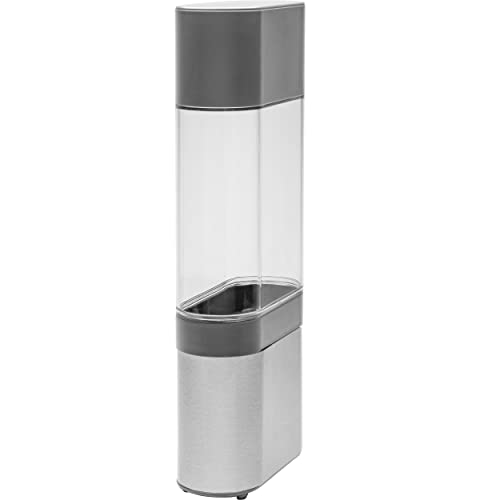
Frequent manual refilling is the most common complaint among owners of standard portable ice machines. Manufacturers solve this problem by adding external water tanks to the side of the main unit. These attachments hold a larger volume of water and automatically feed the internal reservoir as the machine produces ice. This setup eliminates the need for an outside water source while keeping the machine running for days at a time. You spend less time carrying pitchers of water across the kitchen.
The GE Profile Opal 2.0 XL demonstrates this design perfectly with its attached one-gallon water tank. This large supply allows the machine to produce up to 38 pounds of chewable nugget ice per day without constant supervision. You can begin enjoying your first batch of ice in 10 minutes or less after filling the tank. The unit also includes built-in WiFi and voice control, which lets you pair the ice maker with the SmartHQ app to monitor device status. You can even schedule fresh ice production directly from your phone.
High-Capacity Production and Water Needs
Some households need a massive amount of ice for parties or large family gatherings. High-capacity machines freeze water at an incredibly fast rate to keep up with this demand. Because they produce so much ice, they drain their internal water reservoirs very quickly. You will need to monitor the water level closely during heavy use to prevent the machine from pausing its cycle. Many of these units feature intuitive LCD screens that display smart alerts when the water runs low.
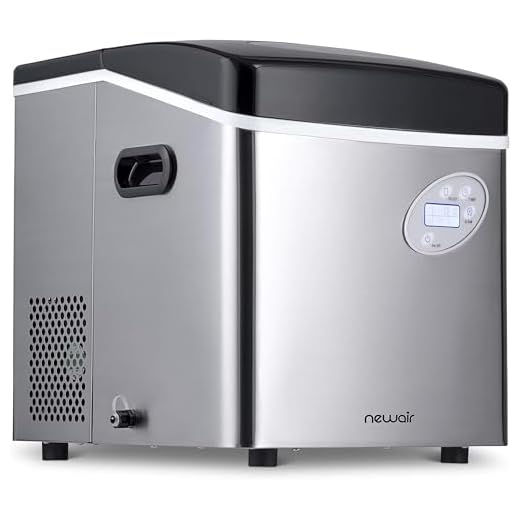
The NewAir 50 lb Countertop Ice Maker is a powerful portable machine that handles heavy demand with ease. It delivers 12 bullet cubes in just 7 minutes and can produce up to 50 pounds of ice daily. You can choose small, medium, or large bullet ice at the touch of a button to suit different drink styles. The durable stainless steel exterior is easy to wipe down, and the unit includes a convenient drain plug for quick emptying. It also features a built-in self-cleaning function that flushes the system to keep your ice tasting fresh.
NewAir Portable Countertop Ice Maker (50 lb)
Water Usage During Cleaning Cycles
Routine maintenance is the only time your ice maker will consume water that does not become edible ice. Most manufacturers recommend running a cleaning cycle every few weeks to remove mineral buildup from the internal components. This process involves filling the reservoir with a mixture of water and a cleaning solution like citric acid or vinegar. The machine circulates this mixture through the water lines and over the freezing elements to break down scale. You then drain this dirty water out of the machine completely.
After the initial cleaning cycle, you must flush the system with fresh water to remove any lingering taste. This usually requires filling the reservoir to the maximum fill line and running another cycle before draining it again. While this process uses a few extra pitchers of water, it is absolutely necessary for appliance longevity. Skipping these flushes will result in cloudy ice that tastes like stale water or cleaning chemicals. Proper draining and flushing ensure your machine continues to operate at peak efficiency.
Final Thoughts
Countertop ice makers are highly efficient appliances that use exactly as much water as the ice they produce. Their closed-loop systems recycle melted ice to prevent any unnecessary waste in your kitchen. Models with side tanks offer the most convenience by reducing how often you need to manually refill the reservoir. By understanding these simple mechanics, you can easily manage your daily water usage and enjoy fresh ice on demand.
Frequently Asked Questions
Do countertop ice makers waste water?
No, countertop models are highly efficient and do not waste water during normal operation. Any ice that melts in the basket drips back into the reservoir to be frozen again. The only water lost is what you consume or drain during cleaning.
How often do I need to refill my portable ice maker?
The refill frequency depends entirely on your daily ice consumption and the size of the machine’s reservoir. Units with attached one-gallon tanks might only need a refill every few days. Smaller machines may require daily top-offs if you use them constantly.
Can I leave water in my ice maker overnight?
You can safely leave water in the reservoir overnight for the next day’s ice production. However, you should drain and replace the water if the machine sits unused for several days. Fresh water always produces the best tasting ice cubes.