A miscalibrated kitchen thermometer ruins expensive cuts of meat before you even realize there is a problem. You can follow a recipe perfectly and still serve dry chicken if your temperature readings are off by just a few degrees. Calibration fixes this. You need to test your thermometer in a controlled environment to verify its accuracy.
The easiest way to check your thermometer is the ice water test. You will submerge the probe in a glass of heavily iced water to see if it reads exactly 32°F. If it misses the mark, you adjust the dial or digital offset until it matches. This simple process takes two minutes. It guarantees your food reaches safe internal temperatures without overcooking.
Understanding the Importance of Calibration
Precision dictates your success in the kitchen. A thermometer that reads five degrees too high will cause you to pull a steak off the grill too early. You end up with undercooked food. Even reliable models like the ThermoPro TP03B Digital Thermometer drift out of alignment over time. Regular testing ensures your equipment actually measures what it claims to measure. You should verify your thermometer’s accuracy at least once a month. This habit prevents ruined meals and protects your family from foodborne illness.
The Ice Water Method
The ice bath provides the most reliable baseline for home calibration. Pack a tall glass completely full of crushed ice before adding cold water to the brim. Let the mixture sit for three minutes to stabilize. Insert your thermometer probe two inches into the center of the glass. Do not let the tip touch the sides or bottom. The display should read exactly 32°F. I use this method to keep my Lavatools Javelin PRO Classic perfectly tuned. Adjust your unit’s calibration settings if the reading misses the freezing mark.
YETI Rambler 20 oz Stainless Steel Tumbler

The Boiling Water Method
Boiling water offers a secondary testing point for high-heat cooking. Bring a deep pot of distilled water to a rolling boil. Insert your thermometer probe into the center of the water column. Keep the metal tip away from the hot metal of the pot. Your reading should hit 212°F at sea level. Subtract one degree for every 500 feet of elevation above sea level. This method keeps models like the Taylor 1476 Instant Read Thermometer accurate for deep frying. Adjust the dial if your reading misses your target boiling point.
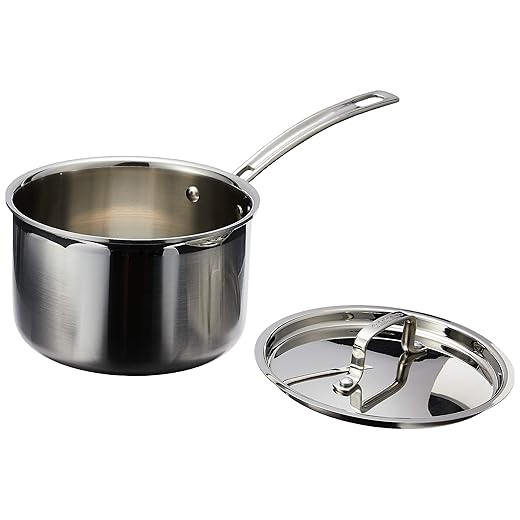
Cuisinart Multiclad Pro 3-Quart Saucepan with Cover
Troubleshooting Common Issues
Sometimes a thermometer refuses to hold a calibration. You should check the battery compartment first. Low power frequently causes erratic readings on digital models like the ThermoPro. Swap in a fresh battery and test the unit again. Next, scrub the metal probe with hot soapy water. Built-up grease acts as an insulator and skews the temperature sensor. If you replace the battery and clean the probe but still get wild temperature swings, the internal sensor is likely broken. You will need to throw the unit away and buy a replacement.
Energizer 2032 3V Lithium Coin Batteries 10-Pack

🎯 Key Takeaways
Regular testing guarantees your thermometer provides accurate readings when you cook. You can use a simple ice bath to verify the freezing point or a pot of boiling water to check the high-end accuracy. Both methods require you to keep the probe suspended in the water without touching the container. Always check your batteries and clean the metal probe if your readings seem erratic. A well-maintained thermometer prevents undercooked poultry and overcooked steaks.
Recommended Products
Here are the thermometers that consistently pass our calibration tests:
TempPro TP19 Waterproof Digital Meat Thermometer

Final Thoughts
Grab a glass of crushed ice and test your thermometer right now. If the reading is off, adjust the dial or buy a reliable replacement. Do not risk ruining your next expensive cut of meat with faulty equipment.

