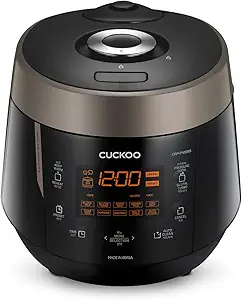
The exact amount of water you need depends entirely on the grain you choose. You cannot use a universal measurement for every batch. Standard long-grain white rice requires a strict 1:2 ratio of rice to water. Brown rice demands a 1:2.5 ratio to soften its tough outer bran. You will ruin your dinner if you guess these measurements.
Getting the texture right takes precision. You can measure by volume using a standard measuring cup or rely on the etched lines inside a dedicated appliance. Rinsing your dry grains before cooking removes excess surface starch and prevents a gummy final texture.
Basic Rice to Water Ratios
Standard white rice requires two cups of water for every cup of dry grains. This 1:2 ratio yields distinct grains that hold their shape. You will need more liquid for unpolished grains. Brown rice requires a 1:2.5 ratio to break down the tough exterior bran layer. The Zojirushi NS-ZCC10 Neuro Fuzzy handles these basic measurements exceptionally well. It adjusts cooking temperatures automatically to prevent scorching. You still have to measure your ingredients accurately before hitting the start button.
Adjusting for Different Types of Rice
Specialty grains require specific hydration levels. Jasmine rice needs less liquid to maintain its slightly sticky texture. You should use a 1:1.5 ratio for this aromatic variety. Basmati rice requires a 1:1.75 ratio to keep its long grains separate and firm. The Tiger JAX-T10U-K Rice Cooker manages these delicate hydration needs effectively. Its specialized settings handle the temperature curves required for different varieties. You must rinse these starches thoroughly before cooking to prevent a gummy texture.
Using Rice Cookers for Perfect Ratios
Dedicated appliances eliminate the guesswork of stovetop simmering. You simply fill the inner pot to the corresponding water line for your chosen grain. The Instant Pot Duo offers a viable alternative for fast meal prep. It cooks under pressure to drastically reduce the total time. You will need to adjust your liquid ratios down slightly when pressure cooking since no steam escapes. The results are rarely as perfect as a dedicated Japanese cooker. It still beats watching a pot boil on the stove.
Troubleshooting Common Issues
Mushy grains mean you used too much water or skipped the rinsing step. You can salvage wet batches by spreading the cooked grains on a baking sheet to dry. Crunchy centers indicate insufficient liquid or premature heat reduction. You can fix undercooked batches by adding a quarter cup of boiling water and covering the pot for ten more minutes. Hard tap water can also interfere with starch gelatinization. You should switch to filtered water if your results remain consistently poor despite accurate measurements.
🎯 Key Takeaways
You must match your water volume to your specific grain type. White rice needs a 1:2 ratio. Jasmine and basmati require significantly less liquid to prevent clumping. Dedicated appliances simplify this process with precise internal measurement lines. You can easily fix minor mistakes by adjusting your liquid volume or cooking time on the next batch. Rinsing your dry grains and using filtered water will drastically improve your final texture.
Recommended Products
You need reliable equipment to maintain consistent temperatures during the absorption phase. Cheap pots often create hot spots that burn the bottom layer before the top grains finish cooking. The models below feature heavy internal pots and precise thermostats to prevent scorching. You will get better results by matching your appliance to your weekly cooking volume. You should avoid buying a ten-cup model if you only cook for two people.
Final Thoughts
Dedicated Japanese cookers handle delicate grains better than multi-cookers. Measure your dry ingredients by weight for the highest accuracy. Check your appliance manual for specific water line instructions, then start your next batch using filtered water.